
Size
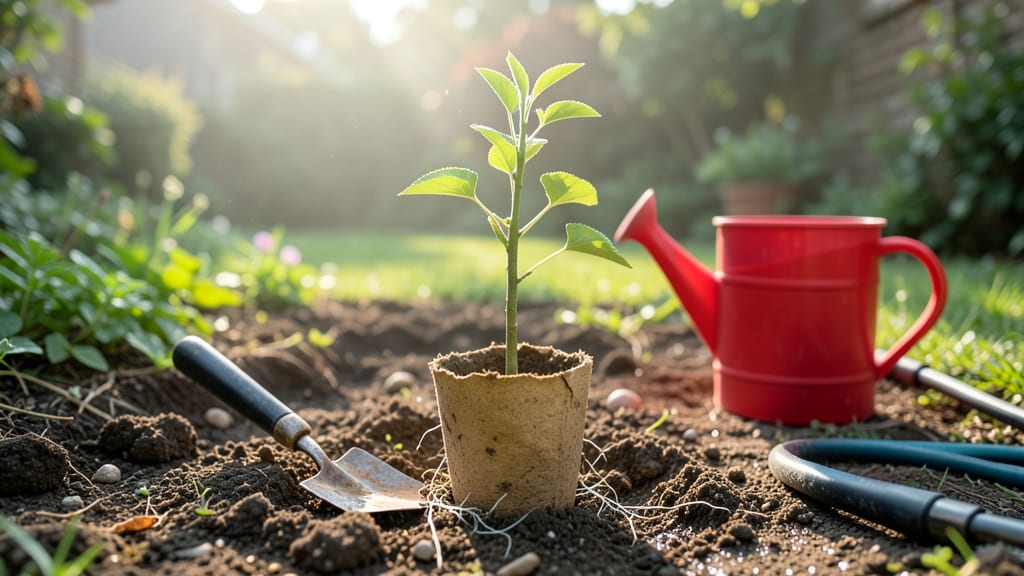
Growing a green apple seed in a garden turns kitchen scraps into a living legacy—though the fruit won’t taste like the grocery store variety. 🌱 The first step is scarifying the seed (breaking its hard shell) to trick it into thinking winter’s passed, then chilling it for 6-8 weeks to mimic natural dormancy.
Most people skip this, and their seeds never sprout.
You’ll need a seedling tray, well-draining potting mix, and a sunny windowsill or grow light—apple seeds need consistent warmth (70°F) and moisture to germinate. After 3-6 weeks, you’ll see a tiny shoot emerge, but don’t rush to transplant.
Seedlings are delicate, and moving them too soon stunts growth. Patience here pays off.
Once your sapling hits 12 inches tall, it’s ready for its forever home in the garden—though it may take 5-10 years before it bears fruit, if ever. The tree will likely grow into a different variety than the parent apple, but that’s part of the adventure.
Think of it as growing a wild, one-of-a-kind orchard in your backyard.
Here’s the catch: apple trees grown from seed are unpredictable. They might stay small, develop weak wood, or produce tiny, tart apples. But the journey—watching that first leaf unfurl, then branches stretch toward the sky—makes the wait worthwhile. Start yours this fall for a spring surprise.
📚 In This Guide
- What you need
- Instructions
- Tips and common mistakes
- Wrapping up and next steps
What you need
- ● Green apple seeds: 3–5 fresh, plump seeds (harvested from organic apples for best results).
- ● Seed-starting mix: 1 small bag (5–10 lbs) of sterile, well-draining potting soil (avoid garden soil—it’s too dense!).
- ● Containers: 3–5 small pots (3–4 inches wide) with drainage holes, or
- ● A seed tray with individual cells (for organized growth).
- ● Spray bottle: 8–16 oz with a fine mist nozzle (for gentle watering).
- ● Plastic wrap or humidity dome: 1 sheet (to retain moisture while seeds germinate).
- ● Sunlight access: A sunny windowsill (south-facing) or a grow light (12–16 hours/day).
- ○ Heating mat: (Optional for faster germination—set to 70–75°F).
- ● Fertilizer: A balanced liquid fertilizer (5-5-5 NPK) for seedlings once they sprout.
- ● Transplant pots: Larger containers (5–6 inches) for when saplings outgrow their starters.
- ● Label markers: To track seed varieties (because who doesn’t love a labeled garden?).
- ● Organic mulch: Shredded leaves or straw for moisture retention in outdoor gardens.
Step-by-step instructions for growing green apple trees from seeds
Here’s how I turn kitchen scraps into sturdy young trees—no fancy tools needed.
🌱 Step 1: Extract and Prepare the Seeds
Cut your green apple in half and scoop out the seeds, leaving the white fruit attached. Rinse them gently to remove any pulp, then spread them on a paper towel. Let them air-dry for 24 hours at room temperature—this prevents mold later. I like to place them on a wire rack over a bowl to catch any drips.
Once dry, store the seeds in a sealed container in the fridge for 4-6 weeks. This cold stratification mimics winter and breaks seed dormancy. I mark the container with the date so I don’t forget. The goal is to wake up those seeds naturally before planting.
💧 Step 2: Plant the Stratified Seeds
Fill small pots (3-4 inches deep) with moistened potting mix—I use a blend of 50% potting soil and 50% perlite for drainage. Plant 2-3 seeds per pot, about ½ inch deep, pressing them lightly into the soil. Water gently until the surface looks damp but not soggy.
Cover the pots with plastic wrap or a humidity dome to keep moisture high. Place them in a warm spot (65-75°F) with bright, indirect light. You’ll see sprouts in 3-6 weeks—this can vary based on your apple variety. Watch for the first tiny green leaves; that’s your signal to remove the cover.
☀️ Step 3: Provide Light and Care for Seedlings
Move the seedlings to a south-facing window or under a grow light once they’ve sprouted. Apple trees need 6-8 hours of sunlight daily to grow strong. If leaves look pale or stems stretch too tall, your light isn’t strong enough—adjust within 4 inches of the plants.
Water when the top inch of soil feels dry, but avoid soggy soil. Overwatering leads to weak stems or rot. I use a spray bottle for seedlings to keep the soil evenly moist without disturbing the roots. Fertilize lightly with balanced liquid fertilizer (10-10-10) once they have 3-4 true leaves—about 4-6 weeks after sprouting.
🪴 Step 4: Transplant and Harden Off
When seedlings reach 6-8 inches tall and have 5-6 leaves, transplant them into larger pots (5-6 inches deep) or directly into the garden. Choose a spot with full sun (6+ hours daily) and well-draining soil. Dig a hole twice as wide as the root ball and mix in compost for nutrients.
Before moving outdoors, harden off the seedlings by placing them outside for 1-2 hours the first day, gradually increasing time over 10-14 days. This toughens them up for real-world conditions. If frost threatens, cover young trees with frost cloth—they’re still delicate at this stage.
⏰ Step 5: Long-Term Care for Young Trees
Water deeply once a week during dry spells, aiming for 1-2 inches of water per week. Mulch around the base with 2-3 inches of organic mulch to retain moisture and suppress weeds. Prune any dead or crossing branches in early spring to encourage strong growth.
Apple trees from seed take 5-8 years to bear fruit, but the journey is rewarding. I’ve found that patience pays off—my first seedling now stands 8 feet tall and produces tiny, tart apples. Keep an eye out for pests like aphids and treat early with neem oil if needed.
Tips & tricks for growing green apple trees from seeds
Turning apple scraps into thriving trees is easier than you think—here's how to avoid common pitfalls and boost your success rate.
Stratification Success: Don't skip the 4-6 week cold treatment—this is the most critical step for breaking seed dormancy. I've tried planting apple seeds without stratification, and they either never sprout or produce weak, stunted seedlings. Place your sealed container in the fridge's crisper drawer where temperatures stay consistently cold. Mark the container with the date so you remember when to plant.
Lighting Matters: Those 6-8 hours of sunlight in Step 3 are non-negotiable for strong growth. If your seedlings start stretching toward the light with long, thin stems (a condition called etiolation), they're not getting enough. Move them closer to the window or invest in a simple grow light. I keep mine within 4 inches of a fluorescent bulb for best results. The first leaves will be small but vibrant—this is your sign they're getting the right light.
Transplanting Timing: Wait until your seedlings reach 6-8 inches tall with 5-6 leaves before transplanting. This size gives them enough strength to handle the shock of moving. I always transplant on a cloudy day to reduce stress on the delicate plants. Water thoroughly before and after transplanting to help them establish new roots quickly.
Pro Tips for Green Apple Seed Grow A Garden
- Turning apple scraps into thriving trees is easier than you think—here's how to avoid common pitfalls and boost your success rate.
- Stratification Success: Don't skip the 4-6 week cold treatment—this is the most critical step for breaking seed dormancy.
- Lighting Matters: Those 6-8 hours of sunlight in Step 3 are non-negotiable for strong growth.
Frequently asked questions
Got questions about growing a green apple tree from seed? You’re not alone—this process has its quirks! Here are answers to the most common queries to help you navigate your seed-to-sapling journey with confidence.
How long does it take for a green apple seed to sprout?
A green apple seed typically sprouts within 2–4 weeks if kept in warm, moist conditions. Patience is key—some seeds may take longer, especially if they’re stored for a while. Once sprouted, the seedling will grow slowly at first, so don’t rush it! Pro tip: Use a heat mat to speed up germination if your home runs cool.
Can I plant the seed directly in the ground, or should I start indoors?
For best results, start indoors 6–8 weeks before your last frost date. Seeds germinate faster in controlled warmth, and young seedlings are fragile. Once they’re 3–4 inches tall and hardened off (acclimated to outdoor temps), transplant them to a sunny garden spot. Warning: Direct outdoor planting risks frost damage or slower growth.
Will my green apple tree produce fruit like the parent apple?
Probably not! Apple trees grown from seed are unpredictable—they may produce small, tart, or completely different fruit. For reliable apples, graft a known variety onto your seedling later. If you love the adventure, enjoy the surprise! Fun fact: Some seed-grown trees yield delicious (but not store-bought) apples—worth a try!
What if my seedling turns yellow or wilts? How do I fix it?
Yellowing leaves or wilting often signal overwatering, underwatering, or pests. Check the soil—it should stay moist but not soggy. Move the seedling to brighter light if it’s leggy, and inspect for aphids or mites. Adjust care gradually: Too much sun or wind can stress young plants. Troubleshoot: Neem oil spray helps with pests.
Are there faster-growing apple varieties I can try instead of seeds?
If seeds feel too slow, consider rooted cuttings or dwarf apple trees from nurseries. Dwarf varieties (like ‘Columnar’ or ‘Patio’) grow fruit in 3–5 years and fit small spaces. For seeds, ‘Granny Smith’ or ‘Honeycrisp’ are reliable choices—but expect a 5–10 year wait for fruit. Bonus: Grafting a named variety onto your seedling speeds up fruiting!
Wrapping up and next steps
Growing a green apple tree from a seed is more than just a fun project—it’s a rewarding journey that connects you to nature and the magic of patience. 🌱 With just a little effort, you’ll witness the transformation of a tiny seed into a thriving sapling, ready to fill your garden with life (and maybe even future apples!).
Now that you’re armed with the right tools, tips, and troubleshooting tricks, it’s time to take the next step: plant that seed! Start small, stay consistent, and watch your green thumb grow stronger with every sprouted leaf. Happy gardening—your future orchard awaits! 🍏✨