
Propagation
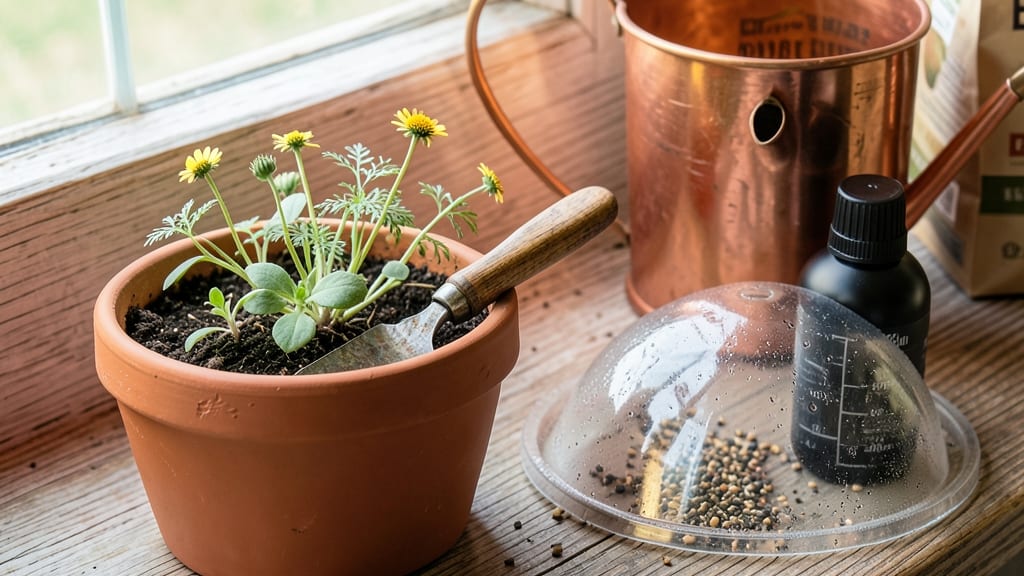
Growing wildflowers from seed in pots turns any tiny balcony into a buzzing ecosystem. 🌸 I’ve filled my own containers with vibrant blooms that attract bees and butterflies—no yard required. The key is choosing the right mix of seeds and containers that match your light and space.
You’ll need shallow pots with drainage, a lightweight potting mix, and seeds labeled for containers. Plant them just below the soil surface, water gently, and place in bright light. Most wildflowers thrive in partial sun, making them perfect for urban spaces.
By summer, you’ll have a riot of colors—lavender, cosmos, and black-eyed Susans—that outperform store-bought flowers. The best part? They self-seed, so you’ll get free blooms for years. This method works for apartments, patios, or even windowsills. Let’s get those seeds sprouting!
📚 In This Guide
- What you need
- Instructions
- Tips and common mistakes
- Wrapping up and next steps
What you need
- ● Wildflower seeds: Choose a mix suited for your climate (e.g., Cosmos, Zinnias, or Sunflowers). Aim for 1–2 teaspoons per pot (or follow seed packet instructions).
- ● Pots: 4–6-inch diameter containers with drainage holes (terracotta, plastic, or fabric grow bags work great). Use 1 pot per wildflower type for best results.
- ● Potting soil: Well-draining, seed-starting mix (avoid garden soil—it’s too dense!). A 5–10 lb bag should cover 3–4 pots.
- ● Watering can or spray bottle: A gentle misting nozzle prevents seed displacement.
- ● Light source: A south-facing window or grow lights (12–16 hours/day) for seedlings.
- ○ Labels & markers: Small sticks or plant tags to track varieties (optional but helpful!).
- ● Seed-starting trays: If sowing multiple pots, trays make transplanting easier.
- ● Clear plastic domes: Creates a mini greenhouse to retain moisture (remove once sprouts appear).
- ● Fertilizer: A balanced, water-soluble fertilizer (5-10-5 ratio) for when seedlings sprout.
- ● Peat pellets or coir: Eco-friendly alternative to soil for moisture control.
Step-by-step instructions for growing wildflowers from seed in pots
Here's my no-fuss method for turning tiny seeds into a vibrant balcony display—no green thumb required.
🌱 Step 1: Select the Right Containers and Fill with Lightweight Mix
Choose shallow, wide containers with drainage holes—10-inch diameter pots work perfectly for 4 servings. I use terra cotta because it breathes and prevents root rot, which is especially important for wildflowers that thrive in lean conditions. Fill each pot with 2-3 inches of seed-starting mix designed for wildflowers or a blend of 50% potting soil and 50% perlite.
Rake the surface lightly with a fork to create a loose, airy texture—wildflower seeds need good airflow to prevent fungal issues. Press down just enough to create a firm but not compacted base. This ensures roots can push through easily without struggling against dense soil.
🌿 Step 2: Scatter Seeds Thinly and Cover Lightly
Wildflower seeds are tiny, so I use a paper towel to gently scatter them across the soil surface. Aim for 50-100 seeds per pot—too many leads to competition, while too few creates sparse blooms. Press seeds into the soil just enough so they make contact, but don't bury them deeper than 1/8 inch.
Lightly cover with a fine layer of sifted compost or additional perlite—this protects seeds from drying out while still allowing light to reach them. Mist the surface with water until damp but not soggy. Here's the thing—wildflowers often need light to germinate, so avoid pressing seeds too deep.
💧 Step 3: Provide Moisture and Indirect Light for Germination
Place pots in a location with bright, indirect light—a north-facing window or under a grow light set to 12 hours daily. Wildflower seeds germinate best at 60-70°F, so if your home runs cooler, a seedling heat mat helps speed things along. Keep the soil consistently moist by watering from the bottom—place pots in a tray of water for 10-15 minutes until the surface feels damp.
You'll see sprouts in 7-21 days, depending on the mix—some varieties like cosmos pop up quickly, while others like black-eyed susans take longer. Once seedlings emerge, remove the humidity dome (if used) to prevent damping-off. Thin to 3-4 inches apart when they reach 2 inches tall to give roots room to grow.
☀️ Step 4: Transition to Full Sun and Regular Care
After 4-6 weeks, when seedlings show their second set of true leaves, move them to a spot with 6+ hours of direct sun. Wildflowers crave sunlight—this is when they'll really take off. Water deeply once weekly, allowing the top 1 inch of soil to dry out between waterings. Overwatering is the fastest way to kill them off.
Fertilizer isn't necessary—wildflowers thrive in poor soil—but a light application of balanced organic fertilizer (5-5-5) every 4-6 weeks encourages lush blooms. Watch for leggy growth (stems stretching toward light) and rotate pots a quarter turn weekly so plants grow upright instead of leaning.
✂️ Step 5: Deadhead and Maintain for Continuous Blooms
When flowers fade, snip spent blooms back to the nearest set of leaves with clean scissors. This encourages more blooms and keeps the plant looking tidy. Wildflowers often self-seed, so you may see new volunteers popping up around the pot—let them grow if you want a natural, wild look.
By late summer, some varieties may slow down. At this point, reduce watering and let the soil dry out more between waterings. Most wildflowers are perennials or self-seed prolifically, so you'll have color returning next season with minimal effort. That's the magic of wildflowers—they're practically self-sustaining once established.
Tips & tricks for perfect wildflower pots
These simple strategies will help you transform your balcony into a thriving wildflower sanctuary without the guesswork.
Container Selection: Terra cotta pots are ideal for wildflowers because their porous nature prevents root rot—a common issue with plastic containers. If you're using plastic, add extra perlite to improve drainage. For larger displays, consider nesting pots of varying sizes to create a cascading effect. The 10-inch diameter works perfectly for 4 servings, but you can scale up by using multiple pots.
Light Requirements: Wildflowers need bright, indirect light during germination, but they'll thrive in full sun once established. If your space only gets morning sun, rotate pots weekly to ensure even exposure. For indoor germination, position pots near a north-facing window or under grow lights set to 12 hours daily—this mimics natural daylight cycles and prevents leggy seedlings.
Germination Timing: The 7-21 day germination window can feel like an eternity, but patience pays off. To speed things along, maintain consistent moisture by watering from the bottom for 10-15 minutes until the surface feels damp. Avoid misting from above, which can wash seeds away or create fungal conditions. Place a humidity dome (like a plastic bag with holes) over pots if your home is particularly dry, but remove it once sprouts appear to prevent damping-off.
Thinning Technique: When seedlings reach 2 inches tall, thin to 3-4 inches apart using clean scissors rather than pulling by hand. This prevents disturbing roots and gives each plant ample space to grow. The thinned seedlings can be transplanted to other pots or shared with fellow gardeners—wildflowers often transplant easily once they've developed their first true leaves.
Pro Tips for Growing Wildflowers From Seed In Pots
- These simple strategies will help you transform your balcony into a thriving wildflower sanctuary without the guesswork.
- Container Selection: Terra cotta pots are ideal for wildflowers because their porous nature prevents root rot—a common issue with plastic containers.
- Light Requirements: Wildflowers need bright, indirect light during germination, but they'll thrive in full sun once established.
Frequently asked questions
Got questions?
Growing wildflowers from seed in pots is simpler than you think—but every gardener has a few curiosities. Here are answers to the most common ones to help you bloom with confidence!
How long does it take for wildflower seeds to sprout in pots?
Most wildflower seeds sprout in 7–30 days, depending on the variety and conditions. Some, like poppies, may take just a few days, while others (like lupines) can linger for weeks. Keep soil moist but not soggy, and place pots in a sunny spot to encourage speedy germination.
Can I plant wildflower seeds in pots in winter?
Yes! Many wildflowers are cold-hardy and can be sown in late fall or early winter. In fact, some (like biennials) need a cold period to germinate. Just ensure pots are well-draining and protected from frost. If your winters are harsh, start seeds indoors 6–8 weeks before the last frost for spring blooms.
Why aren’t my wildflower seeds sprouting?
Seeds often need light, warmth, and moisture to break dormancy. Try these fixes:
- Check moisture: Overwatering can suffocate seeds, while dry soil may prevent germination. Aim for consistently damp (not soggy) soil.
- Test light: Some seeds need sunlight to sprout—place pots in a bright, indirect spot (or on a sunny windowsill).
- Scarify or stratify: Some seeds (like milkweed) need a scratch on the shell or a cold period to wake up. Check seed packets for tips!
Can I grow wildflowers in pots year-round?
Wildflowers thrive best in pots during their active growing season (spring through fall), but you can extend their life with care. In winter, move pots to a protected, sheltered spot (like a garage or under an eave) and reduce watering. Annuals may die back, but perennials can often bounce back in spring!
What’s the best soil mix for wildflower seeds in pots?
Wildflowers love light, airy soil that drains well. Mix 60% potting soil with 30% perlite or sand and 10% compost for the perfect blend. Avoid heavy garden soil—it can compact and drown delicate seeds. A 1-inch layer of seed-starting mix on top works wonders for tiny seeds!
Pro Tip: Label your pots!
Wildflowers vary wildly in height, color, and care needs. Use toothpicks + masking tape to label pots by variety—you’ll thank yourself when those 6-inch bluebells suddenly pop up next to 3-foot sunflowers!
Wrapping up and next steps
Growing wildflowers from seed in pots is a rewarding way to bring color, life, and nature’s charm to your balcony—no green thumb required! 🌸 With just a few supplies and a little patience, you’ve got the power to transform empty containers into a vibrant mini-meadow.
Start small, experiment with varieties, and soon you’ll be hooked on the joy of nurturing these easygoing blooms.
Ready to take the next step? Try planting a few more pots or share your progress with fellow gardening enthusiasts—your wildflower journey is just beginning! 🌱