
Propagation
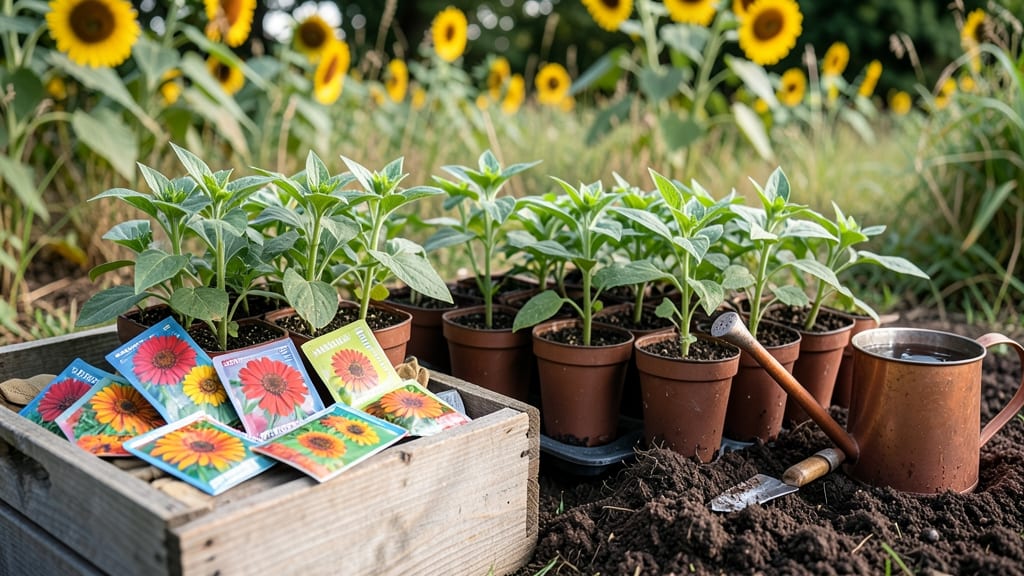
Growing zinnias from seed outdoors delivers bold, sun-loving blooms that brighten summer gardens—no fuss, just direct-sown seeds and 60 days of patience. 🌻 The key is timing: wait until soil warms to 60°F (usually after last frost), then scatter seeds where they’ll thrive in full sun.
I’ve watched my zinnias go from tiny specks to towering stems packed with petals in just two months, and they keep blooming until frost. The beauty of direct sowing is simplicity—no transplant shock, no delicate seedlings. Just scratch seeds into loose soil, cover lightly, and water gently.
Zinnias love heat and drought once established, but they’ll reward you with vibrant colors and long-lasting flowers if you keep the soil consistently moist (not soggy) until they sprout. My first batch taught me that spacing matters: give them 12-18 inches apart to prevent overcrowding and improve airflow.
By mid-summer, you’ll have a low-maintenance flower powerhouse that attracts butterflies and hummingbirds. The blooms cut beautifully for bouquets, and deadheading spent flowers encourages even more growth. Even my black-thumb neighbor can’t kill these—just plant, water occasionally, and enjoy the show.
Works in any sunny spot, from garden beds to containers. Here’s how to make it foolproof!
📚 In This Guide
- What you need
- Instructions
- Tips and common mistakes
- Wrapping up and next steps
What you need
- ● Zinnia seeds – Choose heirloom or hybrid varieties (e.g., 'Benary’s Giant,' 'Profusion'). Buy 1 packet (200–500 seeds) for a full-season display.
- ● Well-draining potting mix – 5–10 gallons (sterile, seed-starting blend or coco coir + perlite mix).
- ● Containers or seed trays – 2–4 shallow trays (3–4" deep) or 50+ biodegradable pots (2–3" diameter).
- ● Outdoor garden bed or large pots – 1–2 sq ft per plant (zinnias thrive in full sun!).
- ● Spray bottle – For gentle watering (1–2 bottles to avoid over-saturating seeds).
- ● Garden trowel or small shovel – For transplanting seedlings (1 sturdy tool).
- ○ Gloves – Optional but helpful for handling soil (1 pair).
- ● Plant labels – 10+ labels (to track varieties if growing multiple types).
- ● Mulch (straw or shredded leaves) – 1–2 bags (to retain moisture and suppress weeds).
- ● Sunlight – 6+ hours of direct sun daily (zinnias love heat!).
- ● Warm soil – Wait until after the last frost (soil temp: 55°F+).
- ● Water access – Consistent moisture (but no soggy soil—zinnias hate wet feet!).
- ● Fertilizer – Balanced 10-10-10 (mix 1 tbsp per gallon of water every 4–6 weeks).
- ● Plant stakes or cages – For tall varieties (e.g., 6–12" stakes per plant).
- ● Drip irrigation or soaker hose – Automates watering (saves time!).
- ● Compost or worm castings – Boosts soil fertility (1–2 cups per planting hole).
Step-by-Step instructions for growing zinnias from seed outdoors
Here's the straightforward method I use every year to get vibrant zinnias blooming in under two months.
🌱 Step 1: Time Your Planting for Peak Performance
Zinnias thrive in warm soil, so wait until after your last frost date when nighttime temperatures stay above 50°F. I plant mine 4-6 weeks before summer's peak heat—this ensures blooms arrive just as the weather cools slightly. The key is avoiding early planting in cold soil, which slows germination and invites rot.
Test soil readiness by pressing your finger 1 inch deep—if it feels warm to the touch, your zinnias are ready. I also check the forecast for a 3-day stretch of dry weather before planting, as consistent moisture is critical during germination.
🪴 Step 2: Prepare the Soil and Plant Seeds Correctly
Choose a location with full sun exposure (6+ hours daily) and well-draining soil. Amend heavy clay with 2-3 inches of compost to improve drainage—zinnias hate soggy roots. I rake the soil smooth and create shallow furrows ¼ inch deep, spacing them 12 inches apart for rows.
Sow seeds ½ inch apart within the furrows, then cover lightly with soil. Press gently to ensure good seed-to-soil contact. Water immediately with a fine mist until the soil surface looks uniformly damp. The seeds are tiny, so I use a toothpick to space them evenly—crowding leads to weak, leggy seedlings.
☀️ Step 3: Maintain Moisture and Thin Seedlings
Keep the soil consistently moist but never waterlogged until seedlings emerge. I water early in the morning to allow foliage to dry before evening, preventing fungal diseases. Once the first true leaves appear (7-10 days after planting), thin seedlings to 6 inches apart—this gives roots room to expand and prevents competition.
Use small scissors to snip unwanted seedlings at soil level rather than pulling, which disturbs roots. The strongest seedling in each spot will thrive with proper spacing. You'll notice the remaining plants develop thicker stems and darker green leaves within a week.
✂️ Step 4: Fertilize and Deadhead for Continuous Blooms
After seedlings develop 4-6 true leaves (about 3-4 weeks after planting), apply a balanced fertilizer (10-10-10) at half-strength. I fertilize every 4-6 weeks during the growing season to support vigorous growth. Zinnias are heavy feeders but respond poorly to over-fertilization—stick to the schedule and avoid excess nitrogen.
When flowers begin to fade, deadhead spent blooms by pinching off the flower head just above the first set of leaves. This redirects energy to new blooms and extends the flowering season. I also remove any leggy stems that grow too tall—these often flop over and look messy. Prune back by ⅓ of the plant's height to encourage bushier growth.
🌿 Step 5: Protect and Enjoy Your Zinnias
Watch for common pests like aphids or spider mites, which love zinnias. I spray affected plants with a strong stream of water to dislodge pests, or apply neem oil if infestations persist. Zinnias are generally low-maintenance, but consistent watering during dry spells keeps them vibrant.
Your zinnias will reach their full height (1-4 feet, depending on variety) in 6-8 weeks and continue blooming until frost. The bold colors and long stems make them perfect for cutting—harvest in the early morning for the longest vase life. I always save seeds from my favorite varieties for next year by letting a few flowers go to seed in the fall.
Tips & tricks for perfect zinnia growth
These simple strategies will help you avoid common pitfalls and maximize your zinnias' vibrant potential.
Soil Temperature Secret: The 50°F soil temperature threshold isn't just about avoiding frost—it's about activating the seeds' natural germination triggers. I've found that waiting until soil reaches this warmth consistently for three consecutive days dramatically improves germination rates. Test by pressing your finger 1 inch deep; if it feels warm to the touch, your zinnias are ready to thrive. Cold soil can delay germination by up to two weeks, so don't rush this step.
Precision Planting Technique: When creating those ¼-inch deep furrows in Step 2, use the back of a spoon or a small ruler to maintain consistent depth. The seeds are so tiny that even slight variations in planting depth can lead to uneven emergence. I mark my furrows with a pencil every 12 inches to maintain proper row spacing—this prevents overcrowding as the plants mature. Remember, proper spacing now means fewer thinning headaches later.
Watering Wisdom: The early morning watering routine in Step 3 isn't just about timing—it's about creating the perfect environment for healthy seedlings. Watering at this time allows foliage to dry completely before evening, which significantly reduces the risk of fungal diseases like powdery mildew. I've seen zinnias develop this issue when watered in the evening, especially in humid conditions. Consider using a drip irrigation system or soaker hose to deliver water directly to the soil without wetting the leaves.
Fertilizer Strategy: That half-strength 10-10-10 fertilizer application in Step 4 is crucial for balanced growth, but timing matters just as much as strength. I apply my first feeding exactly when seedlings develop their 4-6 true leaves—no earlier. Over-fertilizing at this stage can lead to lush foliage but fewer blooms. For even better results, mix a handful of compost into the soil when you plant, providing slow-release nutrients that complement your fertilizer schedule.
Pro Tips for Growing Zinnias From Seed Outdoors
- These simple strategies will help you avoid common pitfalls and maximize your zinnias' vibrant potential.
- Soil Temperature Secret: The 50°F soil temperature threshold isn't just about avoiding frost—it's about activating the seeds' natural germination triggers.
- Precision Planting Technique: When creating those ¼-inch deep furrows in Step 2, use the back of a spoon or a small ruler to maintain consistent depth.
Frequently asked questions
about growing zinnias from seed outdoors—because even the boldest blooms start with the right answers!When is the best time to plant zinnia seeds outdoors?
Plant zinnia seeds directly outdoors after the last frost when soil temperatures reach at least 60°F (15°C). For most climates, this means late spring to early summer (April–June). Zinnias are not frost-tolerant, so avoid early planting—wait for warmth to ensure fast germination (5–10 days).
How long does it take for zinnia seeds to sprout?
Zinnia seeds typically sprout in 5–10 days under ideal conditions (warm soil, consistent moisture, and sunlight). If seeds take longer than 2 weeks, check for moisture issues or cool soil. Pro tip: Press seeds lightly into soil (don’t bury deep)—they need light to germinate!
Why aren’t my zinnia seedlings growing, and what can I do?
Common issues include overcrowding, poor drainage, or pests (like aphids or spider mites). Thin seedlings to 12–18 inches apart to improve airflow. For pests, spray with neem oil or introduce ladybugs. Yellow leaves? Check for underwatering or fungus—zinnias love 6–8 hours of sun daily!
Can I grow zinnias in hot or humid climates?
Zinnias thrive in heat and humidity, but watch for powdery mildew in damp conditions. Improve airflow by spacing plants properly and water at the base (avoid overhead sprinkling). Heat-loving varieties like ‘Benary’s Giant’ or ‘Profusion’ handle summer blooms like champions—just keep soil moist but not soggy.
What if I miss the outdoor planting window? Can I start indoors?
Yes! Start seeds 6–8 weeks before the last frost indoors under grow lights (zinnias need light to germinate). Use biodegradable pots to avoid root disturbance when transplanting. Harden off seedlings for 7–10 days before moving them outside—this toughens them up for the big bloom!
How do I get zinnias to rebloom all season?
Deadhead spent blooms regularly to encourage new flowers. Fertilize lightly with a balanced 10-10-10 formula every 4–6 weeks, and water consistently (zinnias hate drought stress). Pinching back young plants can also promote bushier growth—just snip the tips when they’re 6 inches tall!
Wrapping up and next steps
Growing zinnias from seed outdoors is a rewarding journey that delivers vibrant blooms in just 60 days—with minimal effort! Whether you're a beginner or a seasoned gardener, these cheerful flowers prove that stunning results don’t require complicated steps.
Now that you’re armed with the right techniques, why not start your seeds this season? Grab your supplies, mark your calendar, and watch your garden transform into a burst of color. Happy planting! 🌸🌱