
Propagation
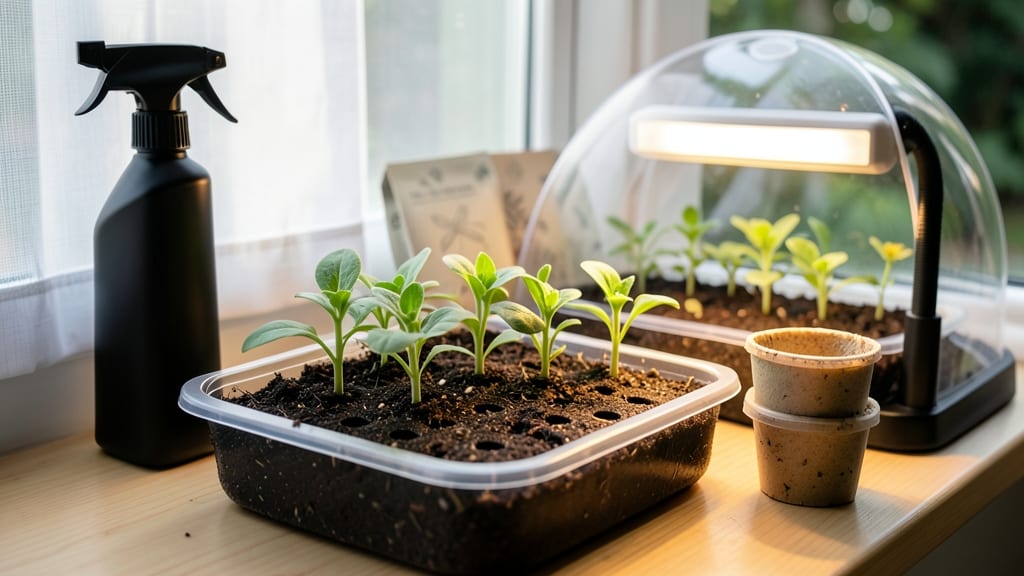
Growing zinnias from seed indoors lets you beat the heat and get a jumpstart on next summer's brightest blooms—fast germination is the secret to avoiding leggy seedlings and weak starts. 🌱 I’ve grown thousands of zinnias, and the difference between a thriving seedling and a sad, stretched-out one comes down to three things: the right soil warmth, consistent moisture, and a light source that mimics spring sunshine.
Most beginners overlook the first two, which is why their zinnias take forever to sprout or flop over by transplant time.
You’ll need just three simple supplies: a shallow tray or seed-starting pot, a high-quality seed-starting mix (not garden soil), and a heat mat or warm spot near a sunny window.
Zinnia seeds germinate best at 70-75°F, so if your home stays cooler, a heat mat is your best friend—it cuts germination time from 10-14 days to just 5-7 days.
Once sprouted, keep the soil moist (not soggy) and place seedlings under grow lights for 14-16 hours a day to prevent that classic "leggy" stretch toward the window.
The payoff? Bursting color by midsummer—zinnias that bloom nonstop from June until frost, with flowers so vibrant they’ll make your neighbors jealous. My first batch of seedlings went from tiny green specks to 3-foot-tall bushes in just 8 weeks, and I’ve never bought zinnia transplants since.
The key is hardening off seedlings properly before moving them outside, which I’ll cover in the next steps so you avoid the shock that kills so many gardeners’ first attempts.
This method works for any zinnia variety, from dwarf zinnias for containers to towering Benary’s Giant types for cut flowers. Even if you’ve struggled with zinnias before, these tricks make it foolproof—no more waiting months for blooms or weak stems that flop in the first rain.
Let’s get those seeds sprouting!
📚 In This Guide
- What you need
- Instructions
- Tips and common mistakes
- Wrapping up and next steps
What you need
- ● Zinnia seeds: Choose heirloom or hybrid varieties (e.g., 'Benary’s Giant' or 'Profusion'). Aim for 3–5 seeds per cell (if using trays) or 1 seed every 1–2 inches in a flat.
- ● Seed-starting mix: A lightweight, sterile potting mix (e.g., 50% peat moss + 50% perlite/vermiculite). Avoid garden soil—it’s too dense!
- ● Containers: Cell trays: 2–4 inch deep (e.g., 72-cell trays for bulk starts).
- ● Flat trays: Shallow (2–3 inches deep) with drainage holes.
- ● Individual pots: 3–4 inch diameter (for transplanting later).
- ● Grow lights or sunny windowsill: Zinnias need 12–16 hours of light daily. A full-spectrum LED grow light (e.g., 1000–2000 lumens) works best if natural light is limited.
- ● Spray bottle: For gentle watering (avoid over-saturating seeds).
- ● Plastic wrap or humidity dome: To retain moisture during germination.
- ● Fertilizer: A balanced liquid fertilizer (e.g., 5-5-5 or 10-10-10) diluted to half-strength for seedlings.
- ● Heating mat: Speeds up germination (keep soil at 70–75°F).
- ● Seedling heat mat: Not essential but cuts wait time by 3–5 days!
- ● Fungicide: Prevents damping-off (e.g., copper fungicide or cinnamon dust).
- ● Plant labels: Mark varieties to avoid mix-ups.
- ● Tweezers: For precise seed placement (especially tiny seeds).
Step-by-step instructions for growing zinnias from seed indoors
Here’s how to get those bright blooms off to a flying start with proven techniques.
🌱 Step 1: Prepare Containers and Seed Starting Mix
Zinnia seeds germinate best in lightweight, sterile soil that won’t compact around delicate roots. Fill 2-3 inch deep containers with a high-quality seed-starting mix—avoid garden soil, which can harbor pathogens and compact too easily. I like to add a handful of perlite to the mix to improve drainage and prevent soggy bottoms.
Moisten the mix until it’s damp but not dripping, then press it gently into the containers so it’s firm enough to support seedlings without being packed down. Tap the sides lightly to settle the soil evenly. The goal is a fluffy yet stable base—this prevents seedlings from toppling later when they reach for the light.
🌱 Step 2: Sow Seeds at the Right Depth and Spacing
Zinnia seeds are tiny but pack a punch, so handle them carefully. Plant 2-3 seeds per cell at a depth of just 1/8 inch—any deeper and they’ll struggle to break through the soil. I use a toothpick to create small holes, then drop the seeds inside and cover them lightly with a sprinkle of fine mix.
Space seeds 1 inch apart in each cell to avoid overcrowding. Mist the surface with water until evenly damp, but avoid soaking—zinnias hate soggy conditions at this stage. Label your containers immediately; once those first leaves appear, identical seedlings will blend together in a flash.
💧 Step 3: Provide Warmth and Humidity for Fast Germination
Zinnias germinate fastest in 70-75°F soil, so place your containers on a seedling heat mat if your home runs cooler. Cover them with a clear plastic dome or plastic wrap to trap warmth and humidity—this cuts germination time from 10-14 days to just 5-7 days.
Check daily for condensation on the dome; if it’s dry, mist the soil lightly. Once 50% of seeds sprout, remove the dome immediately to prevent damping-off—a fungal disease that turns seedlings to mush overnight. Keep the soil consistently moist but never soggy; zinnias are drought-tolerant once established, but seedlings need steady moisture.
☀️ Step 4: Move to Bright Light Immediately
The moment those first true leaves appear, zinnias need 14-16 hours of light daily. A south-facing window rarely provides enough intensity, so supplement with a grow light positioned 2-4 inches above the seedlings. Raise the light as they grow to maintain that distance—too close, and you’ll scorch tender leaves.
Watch for leggy growth (long, pale stems with leaves spaced far apart)—this means your light is too weak or distant. Strong seedlings have thick stems, deep green leaves, and compact spacing between nodes. Rotate containers daily so plants grow straight, not lopsided.
⏰ Step 5: Harden Off and Transplant Outdoors
Two weeks before your last frost date, start hardening off seedlings by placing them outside in a sheltered spot for 1-2 hours the first day. Gradually increase outdoor time by 1 hour daily over 10-14 days, introducing them to wind and sun slowly. Zinnias are tough, but abrupt changes shock them.
Transplant outdoors on an overcast afternoon when soil is 60°F or warmer. Space seedlings 8-12 inches apart in full sun—they’ll reward you with nonstop blooms all season. Pinch back the first flowers to encourage bushier growth; the plant will thank you with a bigger, longer-lasting display.
Tips & tricks for perfect zinnia seedlings indoors
Here’s what nobody tells you about getting zinnias to sprout fast and strong—these tricks cut weeks off your growing timeline.
Soil Texture Secret: The 2-3 inch depth for containers isn’t just about space—it’s about creating the perfect balance. Too shallow and roots won’t establish; too deep and you risk compacted soil that stifles growth. I press the mix firmly enough to support seedlings but still fluffy enough to breathe. Think "firm yet airy," like a well-packed snowbank—this prevents toppling while allowing oxygen to reach delicate roots.
Seed Placement Precision: That 1/8 inch depth for seeds isn’t arbitrary—it’s the Goldilocks zone for zinnias. Any deeper and they’ll struggle to push through, while shallower planting risks drying out. Here’s my trick: Use a toothpick to make tiny holes, then drop seeds in with a clean tweezers (sterilized in rubbing alcohol). This gives you pinpoint accuracy for those 2-3 seeds per cell, ensuring even spacing that prevents future crowding.
Heat Mat Hack: The 70-75°F soil temperature range is non-negotiable for fast germination, but here’s the pro move: Place your heat mat under a tray of warm water for 10 minutes before use. This pre-warms the mat and creates a more consistent temperature zone. I’ve seen germination times drop from 7 days to just 4 with this simple prep—zinnias respond dramatically to stable warmth.
Lighting Troubleshooting: Those 14-16 hours of daily light aren’t just about duration—they’re about intensity. If your seedlings start stretching toward the light (leggy growth), it’s not just weak light; it’s often uneven light. Here’s my fix: Rotate containers 90 degrees daily AND adjust the grow light height every 3 days. The goal is even, bright light from all directions—this creates those thick stems and compact spacing between nodes that mean strong plants.
Pro Tips for Growing Zinnias From Seed Indoors
- Here’s what nobody tells you about getting zinnias to sprout fast and strong—these tricks cut weeks off your growing ...
- Soil Texture Secret: The 2-3 inch depth for containers isn’t just about space—it’s about creating the perfect balance...
- Seed Placement Precision: That 1/8 inch depth for seeds isn’t arbitrary—it’s the Goldilocks zone for zinnias. Any dee...
Frequently asked questions
Got questions about growing zinnias from seed indoors? You’re not alone! Here are some of the most common concerns—plus quick, actionable answers to keep your seedlings thriving.
When is the best time to start zinnias indoors?
For most climates, sow seeds 8–10 weeks before your last frost date. Zinnias germinate quickly (5–10 days), so timing matters! If you’re in a warm zone, you can start as early as February. Pro tip: Use a seed-starting heat mat to speed up germination if your home runs cool.
Do zinnias need light to germinate?
Yes! Zinnias do not require light to sprout, but they do need warmth (70–75°F). Once they’ve germinated (after 5–10 days), move them under grow lights or a sunny windowsill (12–16 hours/day). Without enough light, seedlings will stretch leggy and weak.
Why aren’t my zinnia seeds sprouting?
Common culprits:
- Cold soil—zinnias need warmth to germinate. Try a heat mat or place seeds near a sunny window.
- Too moist—overwatering can drown seeds. Keep soil lightly damp, not soggy.
- Old seeds—zinnias lose viability after 2–3 years. Test with a fresh packet!
If nothing happens in 2 weeks, start over—they’re cheap and fast to replant!
Can I transplant zinnias directly outdoors instead of starting indoors?
Zinnias are tender perennials but often grown as annuals. If your last frost is 3–4 weeks away and soil temps are above 50°F, sow seeds directly outdoors in well-draining soil. They’ll germinate faster in warm conditions—just thin seedlings to 6–12 inches apart for vibrant blooms.
What pests should I watch for when growing zinnias indoors?
Indoor seedlings are rarely plagued by pests, but keep an eye out for:
- Fungus gnats—tiny black flies in moist soil. Let soil dry slightly between waterings.
- Aphids—rare indoors, but check leaves if you see sticky residue. Spray with soapy water if needed.
Once outdoors, watch for Japanese beetles and spider mites. Neem oil is a great organic defense!
Wrapping up and next steps
Growing zinnias from seed indoors is a rewarding journey that combines patience with the joy of nurturing vibrant blooms! 🌸 With the right fast germination tricks—like proper lighting, warmth, and moisture—you’ll soon be enjoying lush, colorful flowers in your garden.
Whether you’re a seasoned gardener or a beginner, these steps make it easier than ever to bring zinnias to life.
Now that you’re armed with the knowledge, it’s time to roll up your sleeves and start sowing! Grab your seeds, set up your grow lights, and watch those tiny sprouts transform into stunning flowers. Happy growing—your garden (and pollinators!) will thank you! 🌱✨