
Lawn
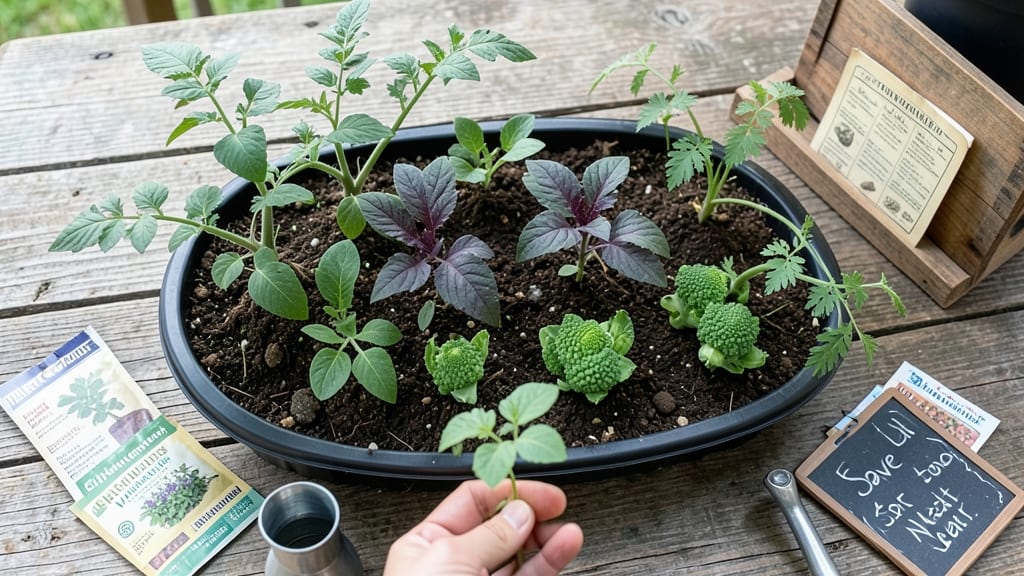
Finding heirloom vegetable seeds that actually grow true to type can feel like hunting for a needle in a haystack—until you know where to look. 🌱 I’ve sifted through dozens of seed companies to pinpoint the ones that consistently deliver rare, non-GMO, and organic varieties without the gimmicks.
These aren’t just catalogs; they’re gateways to flavors and heirlooms you won’t find in big-box stores.
What sets these companies apart? It’s not just the seeds—they offer seed-saving education, organic growing guides, and even community forums where you can swap tips with fellow gardeners.
Companies like Baker Creek Heirloom Seeds and Seed Savers Exchange have built reputations on preserving biodiversity, while High Mowing Organic Seeds specializes in certified organic, non-GMO options. Each one backs their seeds with planting charts and troubleshooting resources, so you’re never left guessing.
You’ll end up with a stash of seeds that produce vegetables with names like ‘Black Krim’ tomatoes, ‘Mammoth Melting’ onions, or ‘Dragon’s Tongue’ beans—varieties that taste like memories, not mass-produced blandness.
The best part? Many of these companies offer free planting guides, seed-starting workshops, and even seed libraries to share with your community. No more settling for the same old hybrids.
Whether you’re a beginner or a seasoned gardener, these trusted sources cut through the noise. Start with one or two companies that align with your goals—organic certification, rare varieties, or seed-saving education—and watch your garden transform into a living museum of flavors.
The seeds you choose today could be the ones your grandchildren grow tomorrow.
📚 In This Guide
- What you need
- Instructions
- Tips and common mistakes
- Wrapping up and next steps
What you need
- ● Heirloom vegetable seeds – Purchase from trusted heirloom vegetable seed companies (e.g., Baker Creek, Seed Savers Exchange, or High Mowing Organic Seeds). Start with 5–10 varieties (e.g., heirloom tomatoes, beans, or peppers) to test your skills.
- ● Organic seed-starting mix – A 10–15 lb bag of lightweight, sterile potting soil (avoid garden soil—it’s too dense!). Look for mixes labeled "seed-starting" or "organic."
- ● Seed trays or pots – 50–100 cell trays or 3–4" biodegradable pots (6–12 per variety). Clear trays help monitor germination!
- ● Grow lights or sunny windowsill – A 12–24" LED grow light (or a south-facing window with 6+ hours of sunlight daily) for seedlings.
- ● Misting bottle or spray nozzle – For gentle watering (16 oz capacity is ideal). Avoid over-saturating seeds!
- ● Plant labels & markers – 100+ labels (or a reusable marker system) to track varieties. Trust us—you’ll thank yourself later!
- ● Transplanting tools – A small hand trowel and gardening gloves for moving seedlings outdoors.
- ● Humidity dome or plastic wrap – Creates a mini greenhouse to retain moisture during germination.
- ● Heating mat – Speeds up germination for slow starters (e.g., peppers, tomatoes). Look for 70–80°F mats.
- ● pH test kit – Ensures your soil is 6.0–7.0 pH (ideal for most heirloom seeds).
- ● Compost or worm castings – Boosts nutrient-rich soil for transplants (5–10 lbs per season).
- ● Journal or app – Track planting dates, germination rates, and growth notes (e.g., Gardenate or a simple notebook).
How to choose the best heirloom vegetable seed companies
Finding reliable sources for rare, organic heirloom seeds can transform your garden—here’s how to pick the best suppliers.
🌱 Step 1: Prioritize Companies with Proven Organic Certifications
Look for seed companies that hold USDA Organic or OMRI-Listed certifications, ensuring seeds are free from synthetic pesticides and genetically modified organisms. Companies like Baker Creek Heirloom Seeds and Seed Savers Exchange are industry leaders, offering extensive catalogs of open-pollinated varieties that maintain genetic integrity across generations.
Check their websites for transparency reports on seed sourcing and testing. For example, High Mowing Seeds specializes in organic and biodynamic seeds, while Southern Exposure Seed Exchange focuses on regionally adapted heirlooms. These companies often provide detailed growing guides tailored to specific climates.
🌿 Step 2: Evaluate Seed Diversity and Rarity
Heirloom seeds lose popularity quickly, so prioritize companies with deep catalogs of rare varieties. Seed Savers Exchange, for instance, preserves over 20,000 heirloom and open-pollinated seeds, including unusual tomatoes like 'Cherokee Purple' or peppers like 'Aji Charapita'. Smaller companies, such as Territorial Seed Company, often specialize in niche crops like heirloom melons or forgotten greens.
Review customer reviews for feedback on seed viability and germination rates. Some companies, like Rare Seeds, offer "seed swaps" or bulk discounts for collectors, making it easier to build a diverse garden library without breaking the bank.
⏰ Step 3: Compare Shipping Policies and Seed Packaging
Heirloom seeds are delicate—opt for companies that ship seeds in resealable, moisture-resistant packets with clear germination guarantees. Baker Creek offers free seed catalogs and includes growing tips with every order, while Southern Exposure provides detailed regional planting charts. Check return policies: some companies, like High Mowing, offer full refunds for non-viable seeds.
Consider shipping times, especially if you’re planting in a short season. Territorial Seed Company ships seeds year-round, but verify lead times during peak seasons (spring and fall). For tropical or heat-sensitive varieties, ask if they provide cold storage instructions to maintain viability.
💧 Step 4: Assess Customer Support and Educational Resources
Companies that invest in growing guides, webinars, or forums (like Seed Savers Exchange’s "Gardeners’ Network") help beginners avoid common pitfalls. For example, Baker Creek offers a Seed Starting Calculator to determine optimal transplant dates. Look for blogs or social media engagement—active communities often share troubleshooting tips for heirloom-specific challenges.
Email or live chat support can be crucial when dealing with rare seeds. Southern Exposure is known for responsive customer service, while Rare Seeds provides seed-saving workshops for those interested in preserving their own varieties long-term.
✂️ Step 5: Verify Seed Sourcing and Ethical Practices
Ethical seed companies source from small farmers, indigenous communities, or historical collections rather than corporate seed banks. Native Seeds/SEARCH focuses on Southwestern U.S. heirlooms, while Fedco Seeds prioritizes New England-adapted varieties. Avoid suppliers that rely on patented or hybrid seeds—true heirlooms should be open-pollinated and legally shareable.
Check if the company participates in seed conservation programs or donates to botanical gardens. Seed Savers Exchange, for instance, partners with the National Seed Strategy for Organic Agriculture to protect biodiversity. Transparency in sourcing builds trust and ensures you’re supporting sustainable agriculture.
Tips & tricks for selecting trusted heirloom seed suppliers
Between us, choosing the right heirloom seed company can make or break your garden's success. Here's how to avoid common pitfalls and find the best sources for those rare varieties you've been dreaming about.
Certification Verification: Don't just trust a company's claims about organic status—actually look for those USDA Organic or OMRI-Listed badges on their website. I've seen too many seed packets labeled "organic" that turned out to be anything but. For example, Seed Savers Exchange and Baker Creek go above and beyond with third-party testing reports you can actually download. This level of transparency is your first line of defense against mislabeled seeds.
Seed Viability Research: The 20,000+ varieties at Seed Savers Exchange sound impressive, but what really matters is germination rate. Always check customer reviews for feedback on specific varieties you're interested in. I once ordered a rare pepper seed that had a 60% germination rate according to reviews—still not great, but better than the 30% I'd seen elsewhere. Pro tip: Look for companies that offer germination guarantees or seed swaps if your first batch doesn't perform.
Regional Adaptation: That beautiful heirloom tomato might not thrive in your climate. Companies like Southern Exposure Seed Exchange specialize in varieties adapted to specific regions, and they often include planting zone maps with their seed listings. Before you commit to a purchase, check if they offer regional growing guides. For instance, their 'Cherokee Purple' tomato does beautifully in the Southeast but struggles in cooler Northern climates.
Ethical Sourcing: Here's what nobody tells you—some seed companies source from corporate seed banks that actually contribute to genetic erosion. Look for suppliers that work directly with indigenous communities or small farmers. Native Seeds/SEARCH, for example, partners with Native American tribes to preserve Southwestern heritage crops. This ensures you're not just getting seeds, but supporting agricultural biodiversity.
Pro Tips for Heirloom Vegetable Seed Companies
- Between us, choosing the right heirloom seed company can make or break your garden's success.
- Certification Verification: Don't just trust a company's claims about organic status—actually look for those USDA Organic or OMRI-Listed badges on their website.
- Seed Viability Research: The 20,000+ varieties at Seed Savers Exchange sound impressive, but what really matters is germination rate.
Frequently asked questions
about heirloom vegetable seed companies can help you navigate your gardening journey with confidence! Here are answers to some of the most common queries:What makes heirloom seeds different from hybrid seeds?
Heirloom seeds are open-pollinated, meaning you can save and replant them year after year while maintaining the same traits. Hybrid seeds, on the other hand, are bred for specific traits (like disease resistance) but won’t produce true-to-type plants if saved. Heirlooms also offer unique flavors, colors, and historical varieties you won’t find in commercial hybrids!
How do I know when to plant heirloom seeds?
Timing depends on your climate and the plant’s needs! Check the seed packet for days to maturity and hardiness zones. A general rule: Plant cool-season crops (like lettuce or peas) 4-6 weeks before the last frost, and warm-season crops (tomatoes, peppers) after the soil warms to 60°F+. Most companies include planting guides—don’t hesitate to ask!
Are heirloom seeds more expensive than conventional seeds?
Yes, heirloom seeds often cost more due to their rarity, organic certification, and the labor-intensive process of preserving unique varieties. However, you’ll save money long-term by saving seeds from your harvest. Start with a few affordable packets and expand your collection over time!
Can I save seeds from heirloom vegetables I grow?
Since heirloom varieties are open-pollinated, you can collect seeds from mature plants (e.g., dry tomatoes, harvest beans, or let zucchini overripe). Follow simple steps like fermenting seeds in water (for tomatoes/peppers) or drying pods (for beans/peas), then store them in a cool, dark place. Just ensure no hybrid or GMO crops are nearby to avoid cross-pollination!
What’s the best way to choose a reputable heirloom seed company?
Look for companies with organic certification, transparent sourcing, and positive reviews. Check if they offer seed-saving resources, growing guides, and customer support. Popular trusted names include Baker Creek Heirloom Seeds, Seed Savers Exchange, and High Mowing Organic Seeds.
What should I do if my heirloom seeds don’t germinate?
First, check the storage conditions—seeds need a cool, dry place (not the fridge!). If they’re old (<5 years), try soaking in warm water for 24 hours or scratching the seed coat gently. If still no luck, contact the company—they often replace non-viable seeds or offer tips. Pro tip: Test a few seeds on damp paper towels before planting!
Wrapping up and next steps
Choosing heirloom vegetable seed companies is your first step toward cultivating a garden brimming with rare, flavorful, and sustainable produce. These trusted sources not only preserve biodiversity but also empower you to grow organic, heirloom varieties that connect you to gardening traditions.
Whether you're a seasoned gardener or just starting, the right seeds can transform your garden—and your meals—into something truly special.
Ready to take the next step? Start small—pick 2-3 heirloom varieties to try this season, research their growing needs, and dive into the rewarding world of seed-saving. Your future harvests (and future generations) will thank you! 🌱