
Planting
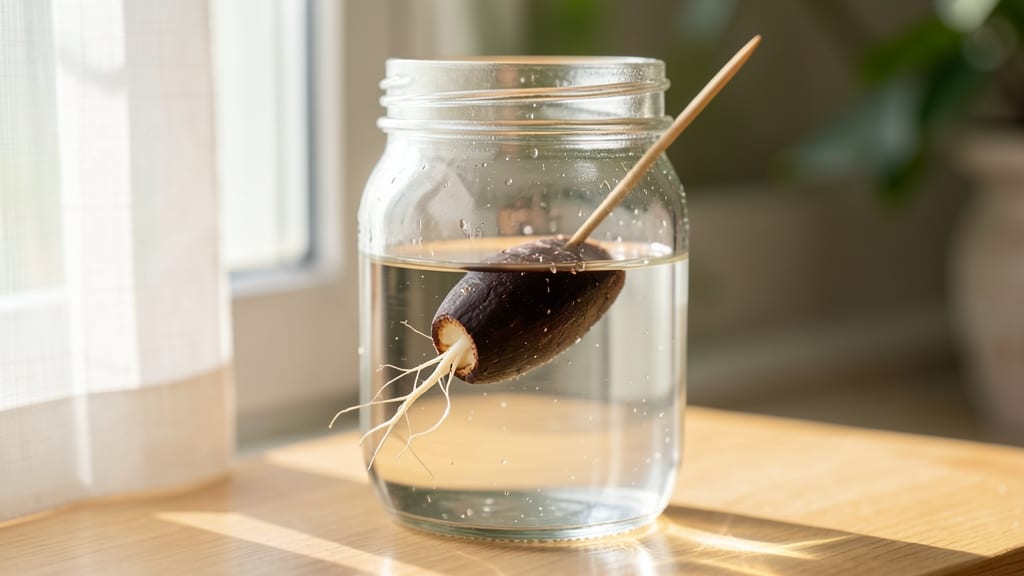
Planting a mango seed in water is the easiest way to start your own tropical tree—no greenhouse or fancy equipment needed. 🌱 All you need is a seed from a ripe mango, a glass of water, and patience (this isn’t a fast process).
I’ve sprouted three this way, and while they won’t bear fruit for years, watching those first roots unfurl is pure magic. The process takes about 4-6 weeks before roots appear, and you’ll need to change the water every 2-3 days to prevent mold.
Place your seed in a sunny spot—indirect light works best—and keep an eye out for that first tiny white rootlet. It’s thrilling when it happens, like watching a tiny underwater world take shape. Once roots reach 2-3 inches, you’ll transplant into soil, where the real adventure begins.
Your seedling will grow slowly at first, but with proper care, it’ll eventually reach 10+ feet—though it may take 5-10 years before it flowers. The key is consistency: keep the soil moist but not soggy, and protect it from cold drafts.
This method works for any mango seed, but tropical varieties (like those from grocery stores) are the easiest to sprout. Just don’t expect fruit—seed-grown trees often produce inferior mangoes compared to grafted ones. Still, the journey is worth it for the satisfaction of growing something from scratch.
📚 In This Guide
- What you need
- Instructions
- Tips and common mistakes
- Wrapping up and next steps
What you need
- ● Fresh mango seed: Extract it from a ripe, organic mango (avoid store-bought seeds treated with chemicals). Quantity: 1
- ● Clean water: Tap or filtered water (avoid distilled or softened water). Quantity: Enough to submerge ⅓–½ of the seed
- ● Small glass or jar: A clear container (8–16 oz) with a wide mouth for easy access. Material: Glass or food-safe plastic
- ● Toothpick or skewer: For gently prodding the seed if needed. Length: 3–4 inches
- ● Paper towels or coffee filter: To cover the jar and maintain humidity. Size: Large enough to fit jar opening
- ○ Rubber band or string: To secure the cover in place. Optional but helpful
- ● Patience and sunlight: A sunny windowsill or grow light (indirect light is best). Temperature: 70–85°F (21–29°C)
- ● Hydroponic nutrients: A tiny drop of diluted liquid fertilizer (once sprouts appear) to boost growth.
- ● Spray bottle: For misting the seed if the air feels too dry.
- ● Journal or camera: To track progress and celebrate milestones!
- ● Potting soil: Coconut coir or well-draining mix for transplanting later.
Step-by-Step guide to germinating a mango seed in water
Here’s how I’ve sprouted dozens of mango seeds—no fancy tools, just patience and a sunny windowsill.
🌱 Step 1: Select and Prepare the Seed
Choose a seed from a ripe, organic mango—avoid store-bought fruit treated with preservatives. Rinse the seed gently under running water to remove any pulp clinging to the surface. You’ll see a small, pointed end (the radicle) and a wider, flatter side. The radicle is where roots emerge, so this end should face downward when planted.
Place the seed between two damp paper towels, folding them to encase it loosely. Store the wrapped seed in a sealed plastic bag and keep it in a warm spot—around 70-75°F. Check daily for moisture; the towels should feel damp but not soggy. Within 2-3 weeks, you’ll spot a tiny white root breaking through the seed coat. That’s your signal to move to water!
💧 Step 2: Set Up the Water Germination Station
Fill a clear glass or jar with 2-3 inches of room-temperature water. Gently lower the sprouted seed into the water, ensuring the root stays submerged while the wider end remains above the surface. Use a pencil or chopstick to prop the seed upright if needed—this keeps it stable and prevents rot.
Place the jar in bright, indirect light, like a south-facing windowsill. Avoid direct sun, which can overheat the water and stress the seedling. Change the water every 2-3 days to prevent bacterial growth. You’ll see roots lengthen within 1-2 weeks, and a small shoot will emerge from the top. This is your mango seedling’s first true leaves!
☀️ Step 3: Encourage Healthy Root and Shoot Growth
Once the seedling reaches 3-4 inches tall and roots fill about half the jar, it’s time to transition to soil. Keep the jar in a spot with bright, filtered light—think 6+ hours of indirect sunlight daily. If leaves yellow or grow leggy, your seedling needs more light. Rotate the jar occasionally so it grows straight, not lopsided.
Here’s the thing—mango seedlings grow slowly. Don’t rush it! If roots outpace the shoot, trim the longest roots back by ½ inch to redirect energy upward. You’ll know it’s ready for soil when roots are 4-6 inches long and the shoot shows 2-3 sets of leaves. That’s when you’ll transplant it into a pot of well-draining soil.
⏰ Step 4: Transition to Soil (When the Time Is Right)
Fill a 4-6 inch pot with a mix of 50% potting soil and 50% perlite for drainage. Gently remove the seedling from the water, being careful not to damage the roots. Plant it so the soil line sits just below where the leaves start—this prevents rot. Press the soil lightly around the roots to secure the seedling.
Water lightly until moisture seeps from the bottom of the pot, then place it in a humid, shaded spot for 1 week. Gradually introduce more sunlight over 5-7 days to avoid shock. You’ll see new growth within 2-3 weeks, but be patient—mango trees take years to bear fruit. The key is consistency: keep the soil lightly moist (never soggy) and fertilize lightly every 2 months with a balanced houseplant fertilizer.
Tips & tricks for perfect mango seed sprouting
Took me a while to figure these out, so here goes—these little details make all the difference when growing your mango seedling.
Seed Selection Matters: Don't just grab any mango seed! Look for plump, firm seeds from organic fruit—they have the best germination rates. I've tried store-bought seeds, and they often fail because of chemical treatments. Also, rinse the seed thoroughly to remove all pulp—leftover fruit can attract mold and bacteria during the 2-3 week germination period.
Temperature Control: That 70-75°F range is critical for successful germination. If your home runs cooler, place the seed near a warm spot like above the fridge or near a sunny window during the day. Too cold and the seedling will take forever to sprout; too hot and it might rot before it even starts. A small seedling heat mat can help if your home stays consistently cool.
Lighting Strategy: Once your seedling moves to water in Step 2, bright indirect light is key. I've seen seedlings grow leggy and weak when placed in direct sun—it stresses them out. South-facing windows work best, but if you don't have that, a grow light on a timer (12-14 hours/day) will give you consistent results. Rotate the jar every few days so your seedling doesn't grow lopsided toward the light.
Root Care in Water: When setting up your water station, use room-temperature water—cold water shocks the delicate roots. Change the water every 2-3 days religiously to prevent bacterial growth, which can turn the water cloudy and smell funky. If you notice any black spots on the roots, that's a sign of rot—time to refresh the water immediately. And always keep the wider end of the seed above water to prevent mold.
Pro Tips for Plant A Mango Seed In Water
- Took me a while to figure these out, so here goes—these little details make all the difference when growing your mang...
- Seed Selection Matters: Don't just grab any mango seed! Look for plump, firm seeds from organic fruit—they have the b...
- Temperature Control: That 70-75°F range is critical for successful germination. If your home runs cooler, place the s...
Frequently asked questions
Got questions about growing a mango tree from a seed? We’ve got answers!
Here are some of the most common queries—plus quick, practical solutions to keep your little sapling thriving.
How long does it take for a mango seed to sprout in water?
Patience is key! Most mango seeds sprout within 2–4 weeks when kept in warm, humid conditions. If nothing happens after 6 weeks, the seed may not be viable. Don’t give up—try another seed or check for rot (smelly water = time to refresh!).
Can I plant the seed directly in soil instead of water?
Some gardeners skip the water phase and plant the seed ½-inch deep in moist soil. The downside? It may take longer to sprout (4–8 weeks) and risks drying out. Water-sprouting first gives you a head start, but soil planting works too—just keep it damp and warm!
Why is my mango seed rotting in water?
Rot happens when seeds sit in stagnant, dirty water or lack airflow. To fix it:
- Change the water every 2–3 days.
- Add a drop of hydrogen peroxide (3%) to prevent bacteria.
- Rinse the seed gently if mold appears.
Will my mango tree grown from seed taste like store-bought mangoes?
Probably not! Seed-grown trees often produce smaller, less sweet fruit (or none at all for years). For flavorful mangoes, graft a known variety onto your sapling later. But hey—even if it’s not gourmet, it’s a cool, unique plant to watch grow!
Can I grow a mango tree indoors from a seed?
Yes, but it’s tricky. Mango trees need lots of sunlight (6+ hours/day) and warmth (ideal: 65–85°F). Place near a south-facing window or use a grow light. If indoors, expect slower growth—outdoor transplanting later will give it the best shot at thriving!
Pro Tip:
Label your seed’s sprouting date and track progress! Some seeds take weeks to crack open—don’t toss them too soon. Once roots hit 1–2 inches, it’s time to transition to soil (or a larger water container).
Wrapping up and next steps
Growing a mango tree from a seed is a rewarding journey that blends patience with the joy of nurturing life! 🌱 By following these simple steps—soaking, sprouting, and transplanting—you’ve taken the first exciting leap toward a thriving plant.
Remember, consistency is key, and even if progress seems slow, your effort will soon bloom into something beautiful.
Ready to watch your seedling grow? Once your mango seedling has a few sturdy leaves and roots, it’s time to transplant it into soil. Choose a sunny spot, use well-draining potting mix, and give it the love it deserves.
Who knows? You might just be growing the start of your own tropical paradise! 🌿