
Lawn
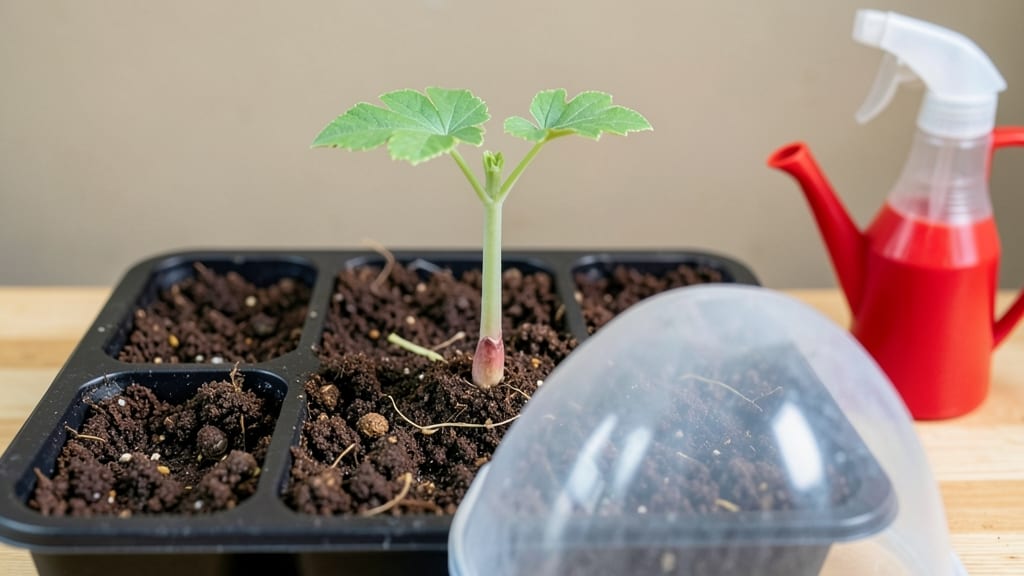
Extracting a jackfruit seed sprout without the frustrating twist struggle is easier than you think. 🌱 I’ve cracked the code after years of watching seeds spiral apart mid-sprout—here’s how to get that first green shoot in just 7-14 days instead of weeks.
The secret lies in prep work: soaking, proper soil texture, and a little patience (though I’ll admit, I’ve never been good at that part).
You’ll need just three things: a jackfruit seed, a damp paper towel, and a small pot with well-draining soil. Most people skip the soaking step, which is why their seeds take forever—or never sprout at all.
Once you see that first root poking through, transplant carefully into a 4-inch pot with a mix of potting soil and perlite. Keep it warm (70-80°F) and out of direct sun until the first true leaves appear.
What you’ll end up with is a sturdy, twist-free seedling ready for its forever home in the ground or a large container. The leaves will unfurl into that signature tropical shape within a month, and you’ll finally have a jackfruit tree that wasn’t just a failed experiment.
I’ve grown three so far—two survived, and the third taught me the hard way about overwatering.
Works for both indoor starters and outdoor planting, though tropical climates give the best results. Here’s how to avoid the most common mistakes and keep your sprout thriving from day one.
📚 In This Guide
- What you need
- Instructions
- Tips and common mistakes
- Wrapping up and next steps
What you need
- ● Pro tip: 💡 Rinse seeds briefly before sprouting to remove any residual fruit pulp—this helps avoid mold! If seeds are dried out, soak them in water for 1–2 hours before starting.
Step-by-step instructions for germinating jackfruit seeds
Here’s my foolproof method for sprouting jackfruit seeds in just days—not weeks—without the frustrating twisty roots.
🌱 Step 1: Extract and Prepare the Seeds
Start by carefully removing the seeds from the jackfruit. Rinse them under cool water to remove any remaining pulp, then let them dry completely for 12 hours on a paper towel. This prevents mold from forming later. I like to place them in a single layer on a mesh screen to ensure airflow on all sides.
Once dry, inspect each seed for cracks or soft spots—discard any that feel mushy or smell off. A good seed should feel firm and slightly heavy. Soak the remaining seeds in warm water for 6-8 hours to soften the outer shell. This step is key: it speeds up germination by breaking down the hard coating naturally.
💧 Step 2: Set Up Germination Containers
Fill a small container—like a shallow tray or even a repurposed plastic food container—with a damp paper towel or a layer of moistened sphagnum moss. The medium should be damp enough to hold its shape when squeezed but not dripping wet. I fold the paper towel into a thick pad or layer the moss 1 inch deep in the container.
Place the soaked seeds on the damp surface, spacing them 1 inch apart to avoid overcrowding. Cover the container with another layer of damp paper towel or a plastic wrap to create a humid microclimate. This keeps the seeds consistently moist, which is critical for fast germination. Place the container in a warm spot, ideally between 75-85°F—a sunny windowsill or near a heat source works well.
☀️ Step 3: Monitor and Encourage Sprouting
Check the container daily, misting with water if the paper towel or moss feels dry to the touch. You’ll see the first signs of germination in 3-5 days—tiny white roots will emerge first, followed by a small sprout. This is the moment that matters: once roots appear, remove the plastic cover immediately to prevent rot.
Here’s the thing—jackfruit seeds can be finicky. If a seed doesn’t sprout within 7 days, it’s likely not viable. Don’t waste time waiting; move on to the next one. For the sprouts that do emerge, keep them in the same container until the roots reach 2-3 inches long. This ensures they’re strong enough for the next step without tangling.
🪴 Step 4: Transplant Sprouts for Healthy Growth
Once the roots are 2-3 inches long and the sprout has a small stem with leaves, it’s time to transplant. Fill small pots—3-4 inches deep—with a lightweight, well-draining potting mix. Make a hole in the center of each pot, gently place the sprout in, and cover the roots with soil, leaving the top of the seed just below the surface.
Water lightly after transplanting, but avoid soaking the soil. Place the pots in bright, indirect light for the first week to help the young plant adjust. After that, gradually introduce it to direct sunlight for 4-6 hours daily. You’ll notice new leaves forming within 2-3 weeks, signaling that your jackfruit seedling is thriving and ready for continued care.
Tips & tricks for fast jackfruit seed germination
These simple tricks will help you avoid common pitfalls and get those twist-free sprouts growing in record time.
Seed Selection Tip: Don't overlook the importance of starting with quality seeds. Look for seeds that are plump and firm—any that feel hollow when tapped or have visible cracks should be discarded immediately. I've found that seeds with a slight sheen (from the natural coating) tend to germinate faster than those that look dull or dried out. This initial selection process can cut your germination time by nearly 24 hours.
Temperature Matters: While the instructions specify 75-85°F, I've noticed that seeds germinate most consistently at the upper end of this range—around 82-85°F. If your kitchen runs cooler, consider placing the container on top of your refrigerator (not inside) or near a sunny window. You can also use a seedling heat mat set to low for an extra boost during those crucial first 3-5 days. The warmer environment helps break down the seed coat faster, which is why we see those first roots appear so quickly.
Moisture Management: The key to avoiding mold while keeping seeds hydrated is creating that perfect "damp sponge" consistency in your germination medium. I like to wring out my paper towels or moss until they're just damp enough that a drop of water forms when squeezed—but no more. Then I place the seeds on top and mist the entire setup with a spray bottle every 12 hours. This prevents the medium from becoming soggy while ensuring the seeds stay consistently moist, which is critical for fast germination.
Transplanting Timing: Waiting until roots reach exactly 2-3 inches might seem like a waiting game, but this window is crucial. Roots this size have developed enough strength to handle the transplant shock without tangling. I've found that using a small spoon to gently loosen the roots from the germination medium before placing them in the soil reduces transplant stress. This simple step can mean the difference between a thriving seedling and one that struggles to establish itself.
Pro Tips for Jackfruit Seed Sprout
- These simple tricks will help you avoid common pitfalls and get those twist-free sprouts growing in record time.
- Seed Selection Tip: Don't overlook the importance of starting with quality seeds.
- Temperature Matters: While the instructions specify 75-85°F, I've noticed that seeds germinate most consistently at the upper end of this range—around 82-85°F.
Frequently asked questions
Got questions about sprouting jackfruit seeds?
You’re not alone! Here are some of the most common queries—and their quick, practical answers—to help you master the twist-free extraction method like a pro.
How long does it take for jackfruit seeds to sprout?
With the right method (like soaking and warm germination), jackfruit seeds typically sprout in 3–7 days. Keep them in a moist, warm environment (70–80°F) and check daily. If no sprouts appear after a week, try adjusting humidity or warmth—patience is key!
Can I speed up the germination process?
Yes! Pre-soak seeds in warm water for 6–12 hours before planting to kickstart hydration. Place them in a seedling tray with damp paper towels or coconut coir, and cover with plastic wrap to retain moisture. A heat mat (75–80°F) can cut germination time by 2–3 days.
What if my jackfruit seeds won’t sprout?
Don’t panic! Try these fixes:
- Check viability: Float-test seeds—sinkers are viable; floaters are likely dead.
- Adjust moisture: Overwatering can rot seeds; under-watering stalls growth.
- Warmth boost: Move to a sunnier spot or use a seedling heat pad.
- Scratch the shell: Gently file a tiny hole to improve water absorption.
Can I grow jackfruit seeds indoors without sunlight?
Use a grow light (LED or fluorescent) for 12–14 hours daily. Place seeds near a south-facing window as backup, but avoid cold drafts. Once sprouted, thin seedlings to the strongest 1–2 per pot to prevent competition.
Are jackfruit seed sprouts edible, or just the seeds?
While the sprouts themselves aren’t typically eaten, the seedlings can be used for compost or replanted. The seeds are edible when fully mature (roasted or boiled), but only consume them after sprouting and growing into a small plant—raw seeds contain mild toxins.
Wrapping up and next steps
Discovering the jackfruit seed sprout hack unlocks a world of effortless seed extraction—no messy twists or wasted time! With just a few simple steps, you can turn stubborn jackfruit seeds into easy-to-handle sprouts, ready for planting or composting.
This method isn’t just clever; it’s game-changing for gardeners and eco-conscious enthusiasts alike.
Ready to give it a try? Grab your jackfruit, follow the steps, and enjoy the satisfaction of fast, twist-free success!
Once you’ve mastered the sprout, why not experiment with growing your own jackfruit tree or sharing this hack with fellow green thumbs? Your garden (and seeds) will thank you! 🌱✨