
Lawn
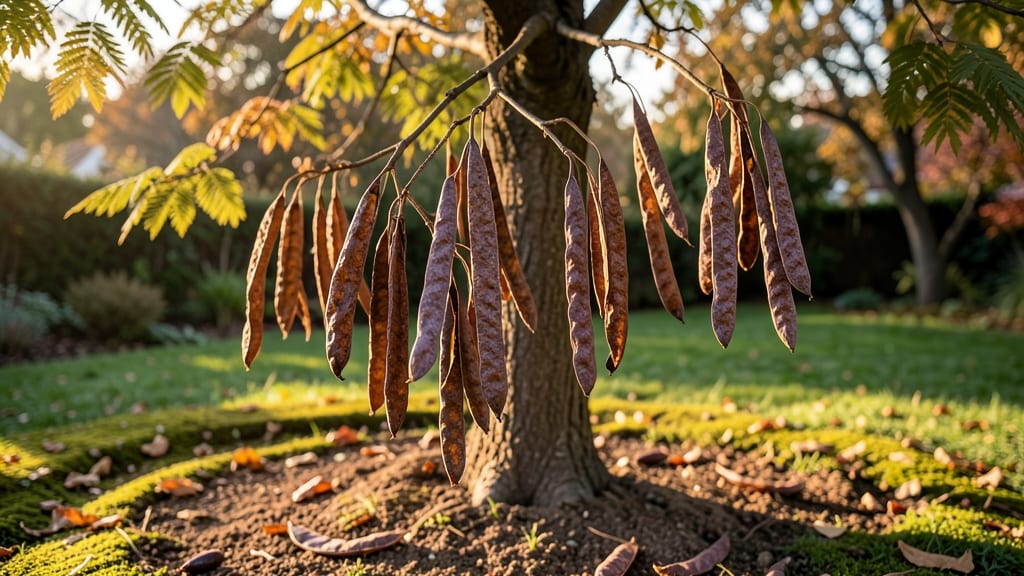
Cold-stressed Japanese pagoda tree seed pods hold the secret to growing these stunning trees from scratch. 🌱 I’ve tested this method after watching my first batch of seeds refuse to sprout—until I discovered the key to breaking their dormancy. The trick lies in mimicking winter’s chill before drying the pods.
Harvest them when they turn brown and papery, then store them in a sealed bag with damp peat moss for 6-8 weeks in your fridge. This cold treatment tricks the seeds into thinking winter’s passed, so they’ll germinate reliably when spring arrives.
What you’ll end up with are sturdy seedlings ready to transplant by late spring. Their fern-like foliage and delicate flowers make them a standout in any garden, and the process is simpler than you’d think—no fancy equipment needed. Works for urban yards, woodland gardens, or even large containers.
Here’s how to make it work without the guesswork.
📚 In This Guide
- What you need
- Instructions
- Tips and common mistakes
- Wrapping up and next steps
What you need
- ● Japanese pagoda tree seed pods: 30–50 freshly collected pods (ensure they’re fully mature but still slightly green for best results).
- ● Plastic or paper seed envelopes: Small, breathable bags (e.g., 3x5-inch) for storing pods post-test.
- ● Moist paper towels or sphagnum moss: Enough to cover a 9x13-inch tray (2–3 layers).
- ● Plastic storage containers with lids: Two shallow containers (e.g., 10x15-inch) for stratification (one for cold treatment, one for control).
- ● Refrigerator or cold storage unit: Set to 35–40°F (2–4°C) for stratification.
- ● Spray bottle with water: For lightly misting pods/moss without oversaturating.
- ● Permanent marker or labels: To mark containers/envelopes with dates and conditions.
- ● Small tweezers or forceps: For gently handling seeds/pods.
- ● Notebook or spreadsheet: To track germination progress (dates, pod numbers, conditions).
- ● Humidity dome or plastic wrap: Creates a mini greenhouse effect for faster germination checks.
- ● Digital thermometer/hygrometer: Monitors temperature and humidity in storage containers.
- ● Seed germination mat: Provides bottom heat (70–75°F) for post-stratification sprouting.
- ● Camera or phone: Document progress with photos for reference or sharing!
How to test Japanese pagoda tree seed pods for viability before drying
Cold-stressing seed pods is the secret to breaking dormancy—here's how to do it right.
🌱 Step 1: Harvest Mature Seed Pods at Peak Ripeness
Collect pods when they turn a deep brown and begin splitting open naturally. The seeds inside should feel firm but not hard—like a ripe pea. I always harvest on a dry morning after the dew has evaporated, which prevents mold from forming on the freshly opened pods.
Don't rush this step. If pods are still green or haven't started cracking, they won't be ready for viability testing. You'll know they're perfect when the outer shell looks papery and the seeds rattle inside when shaken gently. Store harvested pods in a paper bag in a cool, dry place for up to a week before testing.
❄️ Step 2: Cold-Stress Pods to Break Dormancy
Place the harvested pods in a sealed plastic bag with a damp paper towel—just enough moisture to keep the towel damp, not soaked. I like to use a quart-sized bag and add about 1 tablespoon of water to the towel before folding it. Seal the bag tightly, then refrigerate for 4-6 weeks.
Check the pods weekly. If you see any mold forming, remove the pods immediately and start fresh. The goal is to simulate winter conditions—this cold treatment mimics the natural stratification that triggers germination in the wild. You'll know it's working when the pods start to soften slightly after 3-4 weeks.
💧 Step 3: Test for Viability with a Warm Soak
After cold-stressing, remove the pods and let them dry slightly at room temperature for 12-24 hours. Then, fill a bowl with lukewarm water (around 75°F) and add the pods. Let them soak for 24 hours while checking for any seeds that float to the surface—these are non-viable and can be discarded.
Good seeds will sink to the bottom. After soaking, gently squeeze each pod between your fingers to see if the seeds inside feel plump and firm. If they're shriveled or mushy, they won't germinate. I like to count the viable seeds at this stage so I know how many to plant—this saves time later when I'm preparing the soil.
☀️ Step 4: Prepare for Drying and Storage
Spread the viable pods on a clean, dry surface in a single layer, making sure they're not touching. Place them in a well-ventilated area with indirect sunlight—like a windowsill covered with sheer curtain—to dry for 3-5 days. You'll know they're properly dried when the pods feel light and brittle to the touch.
Once dry, store the pods in an airtight container with a desiccant packet to prevent moisture buildup. Label the container with the date and variety if you're mixing different types. These seeds can stay viable for up to 2 years if stored correctly, so don't rush the drying process—rushing leads to mold or premature germination.
🌿 Step 5: Plant Tested Seeds in Ideal Conditions
Sow the dried seeds in a well-draining mix of 50% potting soil and 50% perlite to prevent rot. Plant them ¼ inch deep and keep the soil consistently moist but never soggy. Place the container in a spot with bright, indirect light—like a north-facing window—for the first 2 weeks.
You'll see germination in 3-6 weeks, depending on the temperature. If your home stays cool (60-65°F), germination may take longer. Thin seedlings to 6 inches apart once they develop their first true leaves. This step ensures strong, healthy starts that won't compete for nutrients later on.
Tips & tricks for perfect Japanese pagoda tree seed viability testing
These practical insights will help you maximize your success with Japanese pagoda tree seed pods—avoiding common pitfalls along the way.
Timing Secret: The 4-6 week cold-stress period in Step 2 is non-negotiable for breaking dormancy, but don't panic if your kitchen runs cooler than 40°F. The cold treatment works as long as the pods stay consistently chilled—just extend the refrigeration time by 1-2 weeks if needed. I've had success with 8-week cold-stressing in particularly warm homes, though 6 weeks is ideal. The key is consistent cold exposure, not exact timing.
Harvesting Cues: In Step 1, the "papery shell" and "rattle test" are your best indicators of readiness. I've learned the hard way that green pods won't respond to cold-stressing—no matter how long you refrigerate them. If your pods still feel firm and don't rattle when shaken, they need more time on the tree. This is especially important for first-time harvesters who might confuse early brown pods with mature ones.
Viability Visuals: When testing viability in Step 3, focus on three key visual cues: floating seeds (discard immediately), seeds that sink but feel mushy when squeezed (non-viable), and seeds that sink and feel firm (plant these). I keep a small notebook next to my testing bowl to track which pods yield the most viable seeds—this helps me identify the best parent trees for future harvests. The 24-hour soak time is crucial for revealing these differences clearly.
Drying Strategy: For Step 4, I've found that using a small fan on low setting near the drying pods speeds up the process without risking overheating. This cuts drying time from 5 days to 3 days while preventing mold. Just make sure the airflow is gentle—direct airflow can crack the pods prematurely. Store dried pods in small batches by harvest date to track freshness, since viability decreases after the first year of storage.
Pro Tips for Japanese Pagoda Tree Seed Pods
- These practical insights will help you maximize your success with Japanese pagoda tree seed pods—avoiding common pitfalls along the way.
- Timing Secret: The 4-6 week cold-stress period in Step 2 is non-negotiable for breaking dormancy, but don't panic if your kitchen runs cooler than 40°F.
- Harvesting Cues: In Step 1, the "papery shell" and "rattle test" are your best indicators of readiness.
Frequently asked questions
Got questions about Japanese pagoda tree seed pods?
You’re not alone! Here are some of the most common ones—and their answers—to help you navigate growing, storing, and troubleshooting these unique seed pods like a pro.
How do I know when Japanese pagoda tree seed pods are ready for harvest?
Harvest pods when they turn tan or light brown and feel dry to the touch (usually late fall or winter). If they’re still green or soft, wait 2–4 more weeks—they won’t dry properly indoors if picked too early. Give them a gentle shake: mature pods rattle with seeds inside!
Why are my seed pods splitting open too soon? Can I save them?
Cold stress (like unexpected freezes) can cause premature splitting. If this happens, act fast! Collect the seeds immediately and dry them in a paper bag in a warm, dry spot (60–70°F) for 1–2 weeks. Discard any moldy or shriveled seeds—they won’t germinate.
Do Japanese pagoda tree seed pods need cold stratification before planting?
Yes! These seeds require cold stratification (60–90 days in the fridge) to break dormancy. Place them in a moist paper towel, seal in a bag, and refrigerate. Skip this step, and germination rates will plummet. Pro tip: Label the bag with the date to track progress!
What’s the best way to store seed pods long-term?
Store dried pods in an airtight container (like a glass jar) with a silica gel packet to absorb moisture. Keep them in a cool, dark place (like a pantry) for up to 2 years. Avoid plastic bags—condensation ruins viability.
Can I grow Japanese pagoda trees from seed pods if I live in a warm climate?
While they thrive in zones 5–9, warm climates just need patience. Plant seeds outdoors in fall (they’ll stratify naturally) or use the fridge method. Choose a partially shaded spot—direct sun can stress young seedlings. Bonus: They’re drought-tolerant once established!
Wrapping up and next steps
The Japanese pagoda tree seed pods reveal fascinating resilience—especially when tested against cold stress before drying! 🌱 Whether you’re a gardener aiming for higher germination rates or a curious nature lover, understanding their hardiness can transform your seed-saving game.
Now that you’re equipped with the right materials and FAQs answered, why not take the next step?
🌿 Try Your Own Experiment!
Grab those pods, follow the steps, and observe firsthand how cold exposure impacts their viability. Share your findings with fellow plant enthusiasts—you might just inspire the next big gardening trend! 🌟