
Lawn
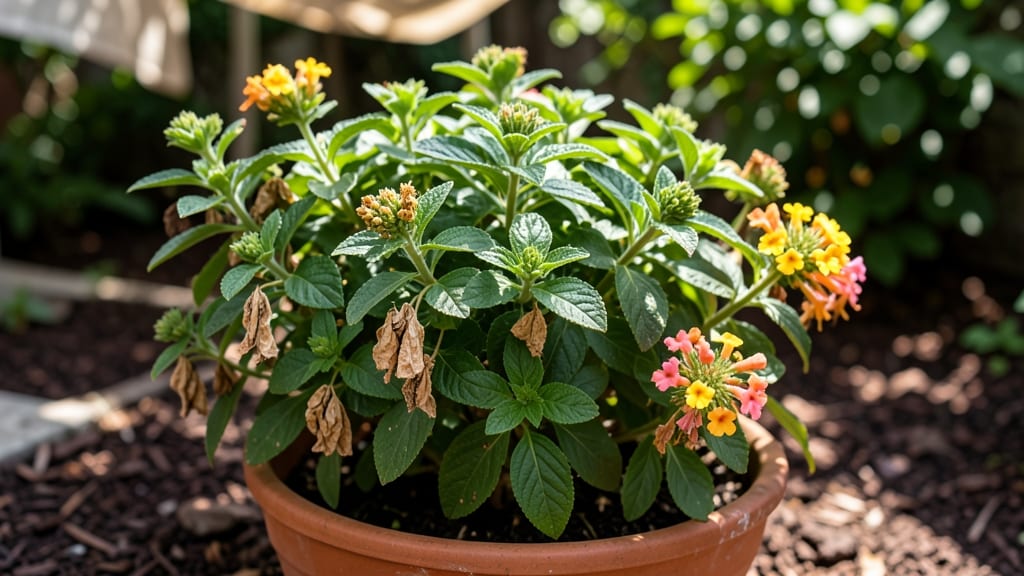
What do lantana seed pods look like? They’re nature’s tiny, twisted time capsules—dry, papery, and spiraled like a miniature question mark. 🌿 They start as unassuming green bulbs behind the flowers but harden into 1/4-inch-long brown husks as they mature, splitting open to reveal rows of glossy black seeds that glisten like tiny beads. If you’ve ever wondered why your lantana keeps spreading when you didn’t plant it, these are the culprits—each pod can release hundreds of seeds ready to take root.
These pods form after flowering, typically in late summer or early fall, when the plant shifts focus from blooms to reproduction. The distinctive spiral shape sets them apart from other seed heads—no other common garden plant produces pods quite like this.
They’re also lightweight, so a gentle breeze can scatter seeds far beyond your intended garden borders, which explains why lantana can become invasive if left unchecked.
If you’re growing lantana intentionally, these pods aren’t just a nuisance—they’re free propagation tools. Collect them in late fall when they’re fully dry and crack open easily, then scatter the seeds in well-draining soil for next year’s plants.
Just be prepared for volunteer seedlings popping up wherever conditions are right, especially in warm climates where lantana thrives.
For gardeners who prefer controlled spreading, deadheading spent blooms before pods form is the easiest way to manage them. A quick pinch with your fingers removes the flower heads entirely, saving you from a future battle with unwanted seedlings.
The trade-off? Fewer accidental lantana colonies—and more energy for the plants you want to grow.
📚 In This Guide
- What you need
- Instructions
- Tips and common mistakes
- Wrapping up and next steps
What you need
- ● Lantana plant with mature seed pods – Look for dried, brownish-orange pods (usually found in clusters after flowering).
- ● Pruning shears or gloves – For safely harvesting pods (gloves help if you’re allergic to lantana sap!).
- ● Magnifying glass or hand lens – A 10x magnification lens works best for inspecting tiny seeds.
- ● Tweezers or small forceps – To gently open pods and extract seeds without crushing them.
- ● Paper plates or white tray – For displaying pods/seeds (a light-colored surface makes details stand out).
- ● Notebook & pencil – To sketch or note observations (e.g., pod shape, seed color, texture).
- ● Camera or smartphone (with macro mode) – For close-up photos—5MP+ resolution captures seed details clearly.
- ● Ruler or caliper – Measure pod/seeds (lantana pods are ~0.5–1 inch long when mature).
- ● Seedling tray or small pots – If you’re experimenting with germination (lantana seeds need light to sprout!).
- ● Labeling tags & markers – To track pod collection dates or locations.
- ● Spray bottle with water – Lightly mist pods to see how they react (some lantana pods twist open when dry).
How to identify lantana seed pods in the garden
Here's how to spot those distinctive seed pods before they release their tiny black seeds.
🌿 Step 1: Locate the Seed Pods on the Plant
Lantana seed pods develop from spent flowers that drop their vibrant petals. Look for small, green structures forming at the base of each flower cluster—these are the immature seed pods. They start out firm and slightly rounded, about the size of a pea, and grow directly from the flower stem.
As they mature, these pods twist into their signature shape, resembling a tiny, gnarled finger. The twisting begins at the base and works upward, creating a spiral pattern that's unmistakable once you know what to look for. You'll find them clustered together where flowers once bloomed, often hidden among the foliage.
🪴 Step 2: Observe the Pod's Color and Texture Changes
The pods start green and firm, then gradually turn a pale tan or light brown as they dry out. This color shift happens over several weeks, depending on your climate. When fully mature, they'll feel dry and papery to the touch, almost like crumpled parchment.
Run your thumb along the surface—you'll notice subtle ridges forming along the twisted shape. These ridges are where the pod will eventually crack open. The texture becomes noticeably lighter as moisture evaporates, signaling they're nearly ready to release seeds. This drying process is critical; pods won't open until they've lost most of their moisture.
✂️ Step 3: Watch for the Cracking and Seed Release
When conditions are right—typically during warm, dry weather—the pods will suddenly split open with a faint popping sound. This happens when the internal seeds push against the drying walls. The cracks start at the base and spiral upward, mirroring the pod's twisted shape.
Inside, you'll find dozens of tiny, black seeds that resemble miniature coffee beans. They're incredibly lightweight and will disperse easily with even the slightest breeze. The release happens quickly—sometimes within hours of the first crack—so timing your collection matters if you want to save seeds.
💧 Step 4: Collect and Store Seeds Properly
Gather pods just as they begin to crack but before seeds scatter. Place them in a paper bag and let them finish drying indoors for a day or two. The seeds will continue to darken slightly as they cure, becoming even more distinct against the pod's tan interior.
Once completely dry, gently crush the pods between your fingers to release the seeds. Sift through the debris to isolate the pure black seeds. Store them in an airtight container in a cool, dry place—they'll remain viable for up to two years if kept dry.
☀️ Step 5: Understand Why Pods Crack When They Do
Lantana pods only open under specific conditions: temperatures above 75°F and relative humidity below 50%. This explains why they often release seeds in late summer or early fall, when dry heat prevails. The twisting shape actually helps channel moisture away from the seeds, preventing premature germination.
If you notice pods remaining closed well past their usual time, check your local weather. Heavy morning dew or sudden rain can delay cracking by keeping pods too moist. In humid climates, you might need to collect pods manually before they open naturally.
Tips & tricks for identifying lantana seed pods
These insights will help you spot those elusive seed pods before they vanish into the breeze.
Visual Clues in Step 1: When examining the flower clusters in Step 1, focus on the transition between the vibrant petals and the emerging green structures. The pods begin as small, rounded bumps—about the size of a pea—attached directly to the stem. The key is to look for the slight bulge where the petals once were, as this is where the pod starts forming. Confusion often arises because these early pods resemble unopened flower buds, but they lack the delicate petal structure and feel firmer to the touch.
Texture Transformation in Step 2: The drying process described in Step 2 is where many gardeners miss the window. As the pods mature, they develop a papery texture that's almost imperceptible at first. To test readiness, gently press your thumbnail against the pod—if it feels like crumpled parchment rather than firm flesh, it's nearly ready to crack. This texture change happens gradually, so check your plants every few days during dry periods, especially if you're in a warm climate where conditions favor cracking.
Cracking Timing in Step 3: The 75°F threshold mentioned in Step 5 is critical for understanding why pods crack when they do. In humid climates, you might need to create these conditions artificially. Place a small fan near the plants during dry periods to mimic the low humidity that triggers cracking. This is particularly useful if you're trying to collect seeds before they disperse naturally. The popping sound mentioned in Step 3 is often subtle—listen closely for a faint snap rather than a loud crack, as the pods release seeds quietly.
Storage Wisdom in Step 4: When collecting pods as they begin to crack, resist the urge to rush the drying process. The one to two days mentioned in Step 4 allows the seeds to fully darken and become more distinct against the pod's interior. If you're impatient, you can speed this up by placing the pods in a warm, dry location (like a sunny windowsill) for a few hours. Just be cautious—overdrying can make the pods brittle and more likely to shatter when handling, potentially losing seeds in the process.
Pro Tips for What Do Lantana Seed Pods Look Like
- These insights will help you spot those elusive seed pods before they vanish into the breeze.
- Visual Clues in Step 1: When examining the flower clusters in Step 1, focus on the transition between the vibrant petals and the emerging green structures.
- Texture Transformation in Step 2: The drying process described in Step 2 is where many gardeners miss the window.
Frequently asked questions
Got questions about lantana seed pods? You’re not alone! Here are some of the most common queries—plus quick answers to help you spot, handle, or avoid these tricky little pods.
What do lantana seed pods look like when they’re still on the plant?
When fresh, lantana seed pods are green, oval-shaped, and slightly twisted—like tiny, warped cigars. As they mature, they turn brown and papery, splitting open when dry to release seeds. Think of them as nature’s tiny jack-in-the-boxes!
How long does it take for lantana seed pods to open and release seeds?
Once fully mature (usually 6–8 weeks after flowering), the pods dry out and crack open within days to weeks, depending on weather. Rain or wind can speed up the process—so if you’re trying to control spread, act fast!
Are lantana seed pods harmful to touch or pets?
No need to panic! The pods themselves aren’t toxic, but the seeds inside can sprout into invasive lantana plants. While not poisonous, the plant’s berries (not pods) contain mild toxins—so keep pets away from chewing them.
How can I prevent lantana seed pods from spreading?
Remove pods before they split by wearing gloves, snipping them off, and disposing of them in sealed bags. For stubborn patches, mulching or smothering with cardboard can block sunlight and prevent regrowth.
How do I tell lantana seed pods apart from other similar-looking pods?
Lantana pods are unique! Look for:
- Twisted, cigar-like shape (unlike round or smooth pods).
- Dry, papery texture when mature (not fleshy).
- Tiny black seeds inside (other pods often have larger or colored seeds).
Wrapping up and next steps
Now that you’ve learned to spot lantana seed pods—those twisted, papery capsules packed with tiny black seeds—you’re better equipped to manage this invasive plant in your lawn or garden. 🌱 Recognizing them early can save you time and effort in preventing unwanted spread. Next up? Grab some gloves and tools, then take action—whether that’s pulling, bagging, or reporting sightings to local authorities for help!
Pro tip: 💡 Stay vigilant! Even small pods can release hundreds of seeds, so quick identification is your best defense.