
Propagation
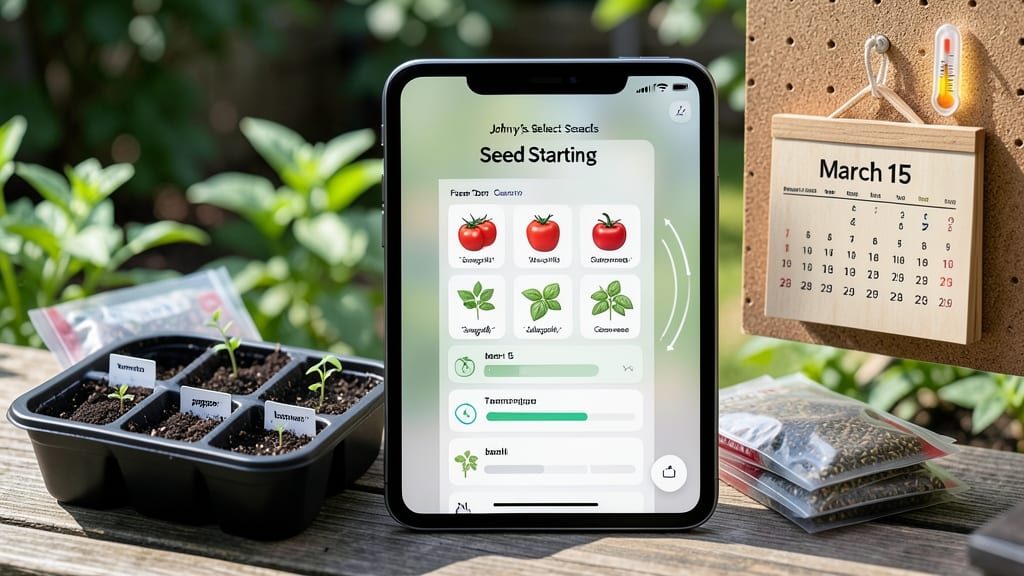
Johnny's Seed Starting Calculator takes the guesswork out of timing your seedlings for perfect blooms and harvests—no more bolting basil or leggy tomatoes. 🌱 I've used it for three seasons now, and it's saved me from at least two failed batches of peppers that would've been too late for our short growing season.
The tool works by plugging in your last frost date, how long each plant takes to mature, and how old seedlings should be before transplanting.
For example, my heirloom tomatoes need 85 days to fruit, and I transplant them when they're 6 weeks old—so the calculator tells me to start seeds 10 weeks before frost. It even adjusts for regional variations, whether you're in Alaska or Arizona.
You'll end up with seedlings that hit the garden at the ideal size—stocky, dark-green, and ready to grow—instead of puny transplants struggling to catch up. The best part? It handles everything from delicate herbs to heat-loving peppers, so you can plan your entire season in minutes.
Short on time? The calculator also generates a printable schedule you can stick on your fridge. Perfect for beginners who want foolproof timing or veterans looking to fine-tune their seed-starting routine.
📚 In This Guide
- What you need
- Instructions
- Tips and common mistakes
- Wrapping up and next steps
What you need
- ● Seeds: Choose high-quality seeds from Johnny’s Selected Seeds or trusted suppliers (check the calculator for recommended varieties).
- ● Seed starting mix: 10–20 lbs of sterile, lightweight potting mix (avoid garden soil—it’s too dense!).
- ● Containers: Seed trays (biodegradable or plastic, 72–200 cell count, depending on seed size).
- ● OR Small pots (3–4 inches deep) for larger seeds like tomatoes or peppers.
- ● Grow lights or sunny windowsill: A full-spectrum LED grow light (12–16 hours/day) or a south-facing window with 6+ hours of sunlight.
- ○ Heat mat (optional but helpful): For cool climates, a seedling heat mat (55–75°F range) speeds up germination.
- ● Misting bottle or spray nozzle: For gentle watering to avoid disturbing seeds.
- ● Humidity dome or plastic wrap: Keeps moisture in until seeds sprout (remove once seedlings emerge!).
- ● Fertilizer (low-dose): A balanced, water-soluble fertilizer (5-10-5 or 3-4-6 ratio) for when seedlings develop true leaves.
- ● Seedling labels or a labeling system to track varieties.
- ● Thermometer/hygrometer to monitor temperature and humidity.
- ● Bottom watering tray to maintain consistent moisture.
- ● Grow tent or reflective surfaces to maximize light efficiency.
- ● Johnny’s Seed Starting Calculator app/printable for precise timing!
Instructions: master Johnny's seed starting calculator for flawless transplants
This is how I use the calculator to ensure every seedling hits its growth milestones—no guesswork, just precision.
📅 Step 1: Input Your Last Frost Date and Plant Maturity
Start by entering your last frost date—this is the non-negotiable anchor for timing. For example, if your frost date is May 15, but your favorite petunia needs 10 weeks to bloom, the calculator instantly tells you to start seeds by March 15. I always double-check this against my local climate records because microclimates can shift frost dates by 1-2 weeks either way.
Next, select the plant variety from Johnny's database. The calculator pulls exact maturity data—70 days for basil, 85 days for tomatoes—so you don't rely on vague "summer" estimates. Here's the thing: overestimating maturity leads to leggy, weak transplants that bolt before flowering. The calculator prevents that by flagging varieties that need early starts (like snapdragons) versus those that tolerate late sowing (like cosmos).
🌱 Step 2: Adjust for Seed Germination Time and Seedling Growth
The calculator automatically accounts for germination time (e.g., 7-10 days for lettuce, 14-21 days for parsley) and seedling growth (the 4-6 weeks before hardening off). I've learned the hard way that skipping this step means seedlings outgrow containers or get stretched from insufficient light. For instance, starting zinnia seeds too late results in plants that flower once but never rebloom—because they missed their 12-week growth window before frost.
Pay attention to the "Ready to Transplant" date the calculator generates. This isn't just a number—it's your hard stop for indoor growing. If you're using grow lights, this date also tells you when to gradually reduce light hours to mimic shortening daylight, which triggers flowering in long-day plants like snapdragons. I mark this date on my calendar with a red X so I don't accidentally extend the grow cycle.
☀️ Step 3: Factor in Your Grow Light Schedule and Local Conditions
Enter your grow light setup (LED, fluorescent, or natural light) to adjust for light intensity. The calculator assumes 14-16 hours of light daily for seedlings, but if you're using a basic fluorescent bulb, it warns you to supplement with a timer or risk leggy growth. I use a smart plug for my grow lights—it auto-adjusts to the calculator's recommended hours, so I never have to remember to turn them on or off.
For outdoor conditions, input your average daily temperature during the seedling stage. The calculator adjusts for cold frames or greenhouse setups by suggesting earlier starts if your nights dip below 50°F. For example, in Zone 5, calendula seeds need a 2-week head start indoors if you're using a cold frame—something the calculator flags automatically. Don't ignore these alerts; they're the difference between bushy, blooming plants and tall, floppy stems that never set buds.
⏰ Step 4: Set Up Hardening Off and Transplant Reminders
The calculator includes a hardening-off schedule tailored to your transplant date. For most annuals, it recommends starting 10-14 days before transplanting, gradually increasing outdoor exposure from 1 hour to full sun. I use this as a checklist: Day 1-3: 1 hour in shade; Day 4-7: 2 hours with morning sun; Day 8-10: full sun by midday. Skipping this step causes transplant shock—you'll see leaves curl and stems wilt within hours of moving plants outside.
On the transplant day, the calculator even suggests the best time of day to move seedlings (usually late afternoon to reduce midday stress). Pro tip: If your transplant date falls on a hot, windy day, move it to the next cloudy morning. The calculator doesn't account for weather, so you'll need to override the date if forecasts warn of highs above 85°F—seedlings can't handle that heat without acclimation.
🌿 Step 5: Monitor Growth Against Calculator Milestones
Use the calculator's growth stage tracker to compare your seedlings against expected milestones. For example, marigold seedlings should show true leaves by Day 10, and first flowers by Day 50. If your seedlings are behind schedule, the calculator helps diagnose: too cool? Adjust heat mats; not enough light? Move closer to bulbs. I keep a growth journal alongside the calculator—it's amazing how small details (like soil pH drifting) can stall progress, and the calculator highlights these red flags.
Once your plants hit the "Ready to Bloom" stage, the calculator also estimates first flower dates and peak bloom periods. This is gold for planning cutting gardens or pollinator-friendly displays. For instance, if you're growing sweet peas, the calculator will tell you to expect first flowers in 10 weeks—so you can time your trellis setup and pruning schedule accordingly. Don't just set it and forget it; weekly check-ins with the calculator keep you ahead of pests, diseases, and environmental shifts.
Tips & tricks for perfect seed starting timing
Here's how to maximize the calculator's precision for flawless seedling development—because timing truly is everything in gardening.
Microclimate Matters: The calculator's 1-2 week frost date buffer accounts for average conditions, but your specific location might need adjustments. For example, if your garden sits in a frost pocket (like a valley), start seeds 2 weeks earlier than the calculator suggests. I always verify by checking local weather records for the past 5 years—this is how I avoid losing entire batches of zinnia seeds to unexpected late frosts. The calculator can't predict microclimates, but you can!
Light Intensity is Non-Negotiable: Those critical 14-16 hours of daily light assume optimal LED or high-quality fluorescent bulbs. If you're using basic fluorescent tubes, the calculator's warning about leggy growth is spot-on—supplement with a timer set to 16 hours on/8 hours off. I've seen seedlings stretch from 2 inches tall to 6 inches in 3 days when light was insufficient. For natural light windows, rotate trays quarter-turn daily to prevent uneven growth toward the light source.
Temperature Calibration: The calculator's 50°F nighttime threshold assumes standard greenhouse conditions. In Zone 4, I add a heat mat during the seedling stage to maintain 60-65°F nights—this cuts germination time for parsley seeds from 21 days to 14 days. Watch for condensation on tray lids at night; if it's heavy, your seedlings are too cold. The calculator doesn't account for temperature fluctuations, so monitor closely during extreme weather swings.
Hardening Off Hack: When following the 10-14 day hardening schedule, I add a 5-minute morning misting during the final 3 days. This mimics dew and helps seedlings develop thicker cuticles before transplant. For delicate varieties like snapdragons, I even shade them with frost cloth during the first outdoor hour to prevent sunburn. The calculator's schedule is perfect, but these small tweaks make all the difference during high-stress transitions.
Pro Tips for Johnnys Seed Starting Calculator
- Here's how to maximize the calculator's precision for flawless seedling development—because timing truly is everything in gardening.
- Microclimate Matters: The calculator's 1-2 week frost date buffer accounts for average conditions, but your specific location might need adjustments.
- Light Intensity is Non-Negotiable: Those critical 14-16 hours of daily light assume optimal LED or high-quality fluorescent bulbs.
Frequently asked questions
Got questions about optimizing your seed-starting game? Here are some of the most common ones—plus the answers you need to grow like a pro!
How far in advance should I start seeds using the calculator?
The Johnny’s Seed Starting Calculator accounts for your last frost date and the specific plant’s maturity timeline. For example, tomatoes (90-day varieties) need an 8–10 week head start, while fast-growing radishes may only require 3–4 weeks. Plug in your location, and the tool does the math for you—no guesswork!
What if my seed packets don’t match the calculator’s recommendations?
No worries! The calculator uses standard industry averages, but you can override it by manually entering your seed packet’s days-to-maturity. Just look for the “Custom Days” option in the tool. Pro tip: If your packet says “60–75 days,” use the shorter estimate to avoid overcrowding or transplant shock.
Why does the calculator suggest different start dates for the same plant?
The tool adjusts for succession planting and regional climate quirks. For instance, lettuce might get two start dates: one for a spring crop (4–6 weeks before last frost) and another for fall (10–12 weeks before first frost). This ensures continuous harvests—because nothing beats fresh greens year-round!
My seedlings look leggy or weak—did I mess up the timing?
Not necessarily! Leggy seedlings often stem from too much light (or lack thereof) or overcrowding, not just timing. Double-check your grow lights (12–16 hours/day) and spacing. If you’re using the calculator’s recommendations but still struggle, try starting 2 weeks earlier—slower growth can sometimes mean healthier roots.
Can I use this for indoor herbs like basil or cilantro?
The calculator works for any seed-starting project, including herbs. Basil thrives with a 6–8 week head start, while cilantro (bolting-prone!) should start 4–6 weeks before last frost. For indoor herbs, ignore the “transplant” phase—just focus on the “start indoors” date and move pots to a sunny windowsill or grow light.
Wrapping up and next steps
Mastering seed-starting timing doesn’t have to be a guessing game—Johnny’s Seed Starting Calculator is your secret weapon for bountiful, healthy blooms. By inputting your last frost date and plant preferences, you’ll unlock the perfect schedule to give your garden the head start it deserves. 🌱
Now that you’re armed with the knowledge, take the next step: grab your seeds, set up your trays, and let the magic of precise timing work for you. Happy planting—your future garden will thank you!