
Lawn
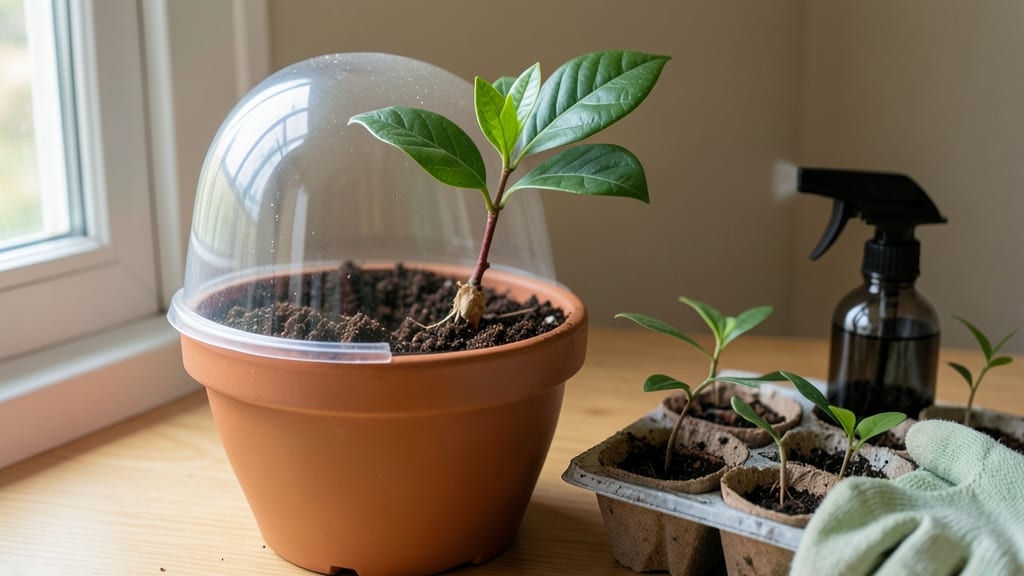
Growing a mango tree from seed in NYC means turning your apartment into a tropical oasis—even if it never bears fruit. 🌱 The journey starts indoors with a single pit, but the patience pays off with a living piece of the tropics right on your windowsill (or eventually, your balcony).
You’ll need a warm spot, a pot with drainage, and a steady hand—mango seeds are finicky about germination. Most NYC growers wait 4-6 weeks before seeing that first crack, and even then, the seedling grows slowly at first.
The real challenge? Keeping it alive through winter, when indoor heat and dry air can turn leaves crispy.
By year three, you might have a 3-foot-tall tropical-looking tree that thrives in pots. It won’t fruit for a decade (if ever), but the glossy leaves and occasional white blossoms make it worth the wait.
Plus, you’ll learn how to adapt tropical plants to city life—skills that transfer to other container gardening projects.
Fair warning: This isn’t a fast-food gardening project. It’s a long-term experiment in patience, troubleshooting, and urban jungle hacking. But if you love the idea of growing something exotic in a place that doesn’t naturally support it? That’s the fun part.
📚 In This Guide
- What you need
- Instructions
- Tips and common mistakes
- Wrapping up and next steps
What you need
- ● Mango seeds: 1-3 fresh, plump seeds (harvested from ripe, organic mangoes—no dried or store-bought seeds!). 💡 Pro tip: Soak seeds in warm water for 24 hours before planting to speed up germination!
- ● Small pots or containers: 3-4 biodegradable pots (3-4 inches wide) or plastic nursery pots with drainage holes. ✨ Bonus: Use recycled containers like yogurt cups with holes punched in the bottom!
- ● Well-draining potting mix: 1 bag of seed-starting mix or a blend of 50% coconut coir, 30% perlite, and 20% vermiculite. 🔥 Avoid: Garden soil—it’s too dense and can rot seeds!
- ● Spray bottle: 1 with water (for gentle hydration) or a small watering can with a fine rose attachment.
- ● Clear plastic wrap or humidity dome: 1 sheet (to create a mini greenhouse effect).
- ● Grow lights or sunny windowsill: Access to 6+ hours of indirect sunlight daily (or a 12-hour LED grow light for seedlings).
- ● Fertilizer: 1 small bottle of organic liquid fertilizer (like fish emulsion, diluted to half-strength) for later stages.
- ● Heat mat: 1 small (for faster germination if your home is chilly).
- ● Humidity tray: A shallow tray with pebbles and water to boost moisture levels.
- ● Label markers: To track seed varieties (if planting multiple seeds!).
- ● Larger container: A 5-gallon pot (for transplanting once your seedling grows 6+ inches tall).
- ● NYC-specific: A local plant shop for native-friendly soil amendments (if needed).
- ● Patience! Mango seeds can take 2-6 weeks to germinate.
- ● Consistent care: Mango seedlings thrive on routine (water, light, and love!).
- ● Space: Even in NYC, a sunny balcony or indoor grow setup works—just ensure your seedling gets enough light!
Step-by-step instructions for growing mango trees from seed in NYC
Here's how to turn a grocery store pit into a thriving container tree that thrives in your urban space.
🌱 Step 1: Prepare and Plant the Seed
Start with a fresh mango pit—wash off any remaining fruit and let it dry completely for 24 hours. I like to scrape off the outer fleshy layer with a knife, leaving just the hard seed inside. This removes any remaining sugars that could attract mold.
Place the seed between two damp paper towels, rolling them gently to contain it. Store the wrapped seed in a ziplock bag and keep it in a warm spot (75-85°F)—I use the top of my fridge. Check daily and mist with water if the towels dry out. Germination takes 2-4 weeks—you'll know it's ready when a tiny white root appears.
🪴 Step 2: Plant in a Container with Drainage
Use a 5-6 inch pot with drainage holes—mango roots hate soggy soil. Fill the bottom with 2 inches of perlite or gravel for drainage, then add 3 inches of well-draining potting mix. I mix equal parts potting soil and perlite to prevent compaction.
Plant the germinated seed 1 inch deep, pressing lightly around it but not compacting the soil. Water gently until moisture reaches the bottom of the pot, then place the container in a bright, indirect light spot—no direct sun yet. Keep the soil consistently moist but never soggy.
☀️ Step 3: Transition to Sun and Larger Containers
Once the seedling reaches 6 inches tall (usually 3-4 months), move it to a 12-inch container with fresh potting mix. Mangoes need full sun, so place it in the brightest spot you have—even a south-facing window or balcony works in NYC. If outdoors, start with morning sun only and gradually increase exposure over 1-2 weeks to avoid leaf scorch.
Fertilize lightly every 4-6 weeks with a balanced liquid fertilizer (10-10-10) diluted to half strength. You'll see new leaves emerge within 2-3 weeks—this is your sign the plant is thriving. Watch for yellowing leaves, which means it needs more light or water.
✂️ Step 4: Prune and Maintain for Growth
When your mango reaches 2 feet tall, prune the top 2-3 inches to encourage bushier growth. Pinch off any flowers that appear in the first 2 years—fruit production will slow the tree's growth. Use clean, sharp pruners to avoid damaging the stem.
Repot every 1-2 years into a 1-2 inch larger container in early spring. Mangoes grow fast but stay small in containers—expect 6-8 feet tall indoors. Water deeply when the top inch of soil feels dry, and reduce watering in winter when growth slows.
🌿 Step 5: Overwintering for NYC's Cold Snaps
Before temperatures drop below 50°F, move your mango indoors near a south-facing window or under grow lights for 12+ hours of light daily. Reduce watering to every 2-3 weeks—overwatering in winter causes root rot. You'll notice growth slow dramatically, which is normal.
In spring, resume fertilizing and gradually reintroduce outdoor conditions. With patience, your mango can live 10+ years in containers—though fruit may take 5-10 years to appear. The journey is half the fun!
Tips & tricks for perfect mango tree growth in NYC containers
Here's what I learned after watching my first mango seedling go from sprouting to thriving—plus how to avoid the mistakes I made along the way.
Germination Secret: The 24-hour drying time for your pit is non-negotiable—skipping this step can lead to moldy towels and failed sprouts. I learned this the hard way after throwing out three batches of damp, fuzzy seeds. Also, don't be tempted to speed up germination by keeping the towels too wet; consistently damp is the key.
Light Transition Strategy: When moving your 6-inch seedling to full sun (Step 3), I recommend starting with just 2 hours of morning sun on the first day, then adding 1 hour each subsequent day. This gradual approach prevents leaf scorch, which I've seen turn beautiful green leaves into crispy brown edges overnight. Watch for subtle yellowing as your first warning sign.
NYC-Specific Watering Hack: In summer, I water my container mango every morning before 9 AM to prevent evaporation from NYC's heat and concrete surfaces. During winter, I set a reminder to check soil moisture with my finger—if the top inch feels dry, it's time to water. Overwatering in winter is the #1 reason container mangoes fail in our climate.
Fertilizer Timing: The 4-6 week fertilizer schedule works perfectly, but here's the trick: I always fertilize right after repotting in spring, then every 6 weeks until late summer. This aligns with your mango's natural growth cycle and prevents nutrient burn during its winter dormancy period.
Pro Tips for Mango Seed Nyc
- Here's what I learned after watching my first mango seedling go from sprouting to thriving—plus how to avoid the mistakes I made along the way.
- Germination Secret: The 24-hour drying time for your pit is non-negotiable—skipping this step can lead to moldy towels and failed sprouts.
- Light Transition Strategy: When moving your 6-inch seedling to full sun (Step 3), I recommend starting with just 2 hours of morning sun on the first day, then adding 1 hour each subsequent day.
Frequently asked questions
Got questions about growing mango seeds in NYC? You’re not alone—urban jungle adventures come with curiosity! Here are answers to the most common queries to help you grow your tropical dream in containers.
Can I grow a mango tree from a seed in NYC’s climate?
While NYC’s winters are chilly, mango seeds thrive indoors in containers. Start them in spring/summer, keep them warm (65–85°F), and move them outdoors in summer. Just expect it to take years to bear fruit—patience is key!
How long does it take for a mango seed to sprout?
Germination can take 2–6 weeks, depending on moisture and warmth. Keep the soil damp (not soggy) and place the pot in bright, indirect light. A heat mat or sunny windowsill speeds things up!
Can I eat the mango I grow from a seed?
Technically yes, but don’t expect gourmet fruit! Seed-grown mangoes are not true to the parent plant—flavor, size, and yield vary wildly. For edible fruit, graft a known variety onto your seedling or buy a grafted tree.
What’s the best container size for a mango seedling in NYC?
Start with a 5–7 inch pot for germination, then upgrade to 10–12 inches as roots grow. Mango trees have deep roots, so deeper pots (12+ inches) help long-term. Ensure drainage holes are present—root rot is a sneaky enemy!
How do I protect my mango tree from NYC winters?
Mangoes are tropical—bring potted seedlings indoors when temps drop below 50°F. Place near a sunny window or under grow lights. Reduce watering in winter (let soil dry slightly between waterings). A greenhouse or insulated garage works too!
Pro Tip:
Label your seedling! Mango trees can take 3–5 years to flower, and tracking varieties (or lack thereof) helps avoid confusion. Plus, NYC’s urban farms love a good story—share your progress!
Wrapping up and next steps
Growing a mango tree from seed in NYC might seem like a tropical dream, but with the right container, care, and patience, you can turn your urban balcony into a mini jungle! 🌱 Whether you're a beginner or a green-thumb enthusiast, this mango seed adventure is all about embracing the journey—one leafy step at a time.
Ready to take the next step? Start by planting your seed this weekend, and soon, you’ll be sipping homemade mango lassi under your very own tree. Who knows? Your NYC mango might just become the talk of the block! 🌟