
Lawn
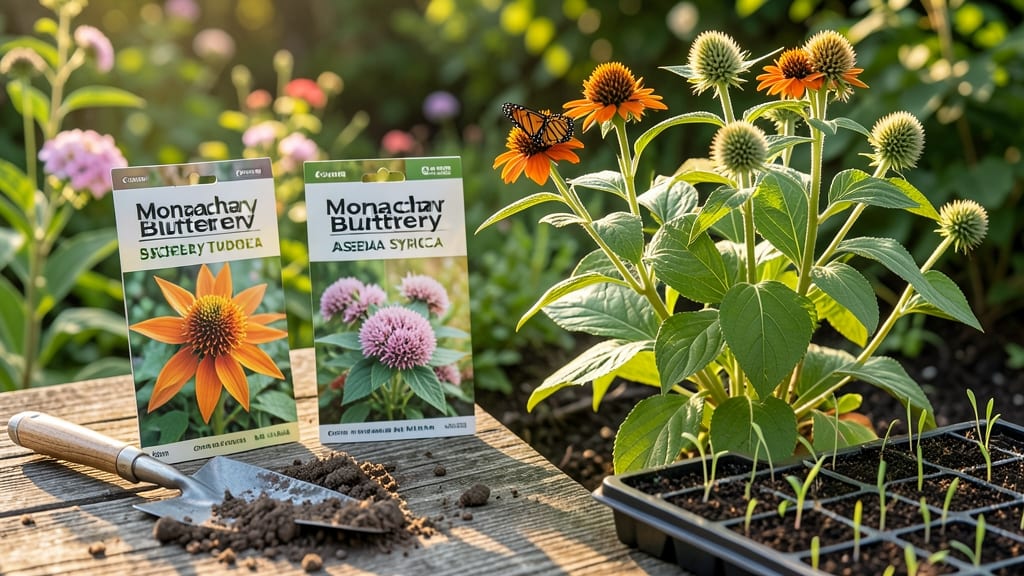
A monarch butterfly seed mix transforms your yard into a fluttering oasis where orange wings become a daily sight. 🌿 I planted mine last spring, and within weeks, the milkweed shoots became a magnet for migrating monarchs—something I’d only seen in documentaries before.
The secret isn’t complicated: it’s about layering the right plants, timing your planting, and letting nature do the rest.
You’ll need just three things: a sunny spot (at least 6 hours of light), well-draining soil, and a handful of seeds—no fancy equipment required. The mix typically includes milkweed (the monarch caterpillar’s only food) plus nectar plants like coneflowers or asters.
Scatter the seeds in early spring or late summer, barely covering them with soil, and keep the area moist until germination.
By midsummer, you’ll have a thriving pollinator haven where monarchs lay eggs, caterpillars munch on fresh milkweed, and adult butterflies sip nectar from blooms. The best part?
This mix supports the entire lifecycle, from egg to winged adult. Even a small patch makes a difference—my 3-foot-by-3-foot plot hosted dozens of butterflies last season.
Works in containers too, so balconies and patios count! Just ensure consistent moisture and avoid pesticides. Here’s how to keep your haven buzzing with life year after year.
📚 In This Guide
- What you need
- Instructions
- Tips and common mistakes
- Wrapping up and next steps
What you need
- ● Native milkweed seeds (Asclepias spp.) – 1–2 lbs (essential host plant for monarch caterpillars; choose species like Asclepias tuberosa or Asclepias syriaca for your region).
- ● Native nectar flower seeds – 1–2 lbs total (mix 3–5 species like Liatris spicata, Echinacea purpurea, or Rudbeckia hirta for variety).
- ○ Native wildflower seeds (optional but recommended) – ½–1 lb (e.g., Coreopsis, Salvia, or Black-eyed Susan to boost biodiversity).
- ● Potting soil or seed-starting mix – 1–2 cubic feet (lightweight, well-draining blend for germination).
- ● Flat or seed trays – 2–4 shallow containers (with drainage holes; 10"x20" trays work well).
- ● Spray bottle or fine mist nozzle – For gentle watering during germination.
- ● Garden gloves – 1 pair (to protect hands from prickly milkweed fluff).
- ● Labeling tags & marker – To track seed varieties and planting dates.
- ● Seedling heat mat (if starting indoors) – Speeds up germination in cool climates.
- ● Grow lights (if indoor sowing) – 12–16 hours of light/day for robust seedlings.
- ● Transplanting trowel – For carefully moving seedlings outdoors.
- ● Mulch (straw or shredded leaves) – 1–2 inches to retain moisture post-planting.
- ● Fertilizer (low-nitrogen, organic) – Balanced 5-5-5 or compost tea for established plants.
- ● Sunlight access – At least 6–8 hours of full sun daily for the planting site.
- ● Well-draining soil – Test pH (ideal range: 6.0–7.5 for most native seeds).
- ● Water source – Consistent moisture (but avoid waterlogged soil).
- ● Patience! – Monarch-friendly gardens take 1–2 seasons to reach full pollinator potential.
How to create a monarch butterfly seed mix for your pollinator garden
Here's how I assemble a nectar-rich, layered seed mix that attracts monarchs—and keeps them visiting all season.
🌱 Step 1: Select the Right Native Host and Nectar Seeds
Monarchs need milkweed (their host plant for laying eggs) and nectar-rich flowers for adult feeding. Start with 1 part native milkweed seed (like swamp milkweed or butterfly weed) as your foundation—this is non-negotiable for caterpillar survival. Then add 3 parts nectar plant seeds like purple coneflower, black-eyed Susan, or goldenrod for adult butterflies. I always include 1 part fine-leafed plants (like asters or Joe Pye weed) to fill gaps and provide late-season nectar.
Buy seeds from reputable native plant suppliers—avoid non-native varieties that may spread invasively. Check seed packets for cold stratification requirements (some milkweeds need a winter chill to germinate). Store seeds in a cool, dry place until planting season, and label each type to avoid mixing them before sowing.
🌿 Step 2: Layer Seeds by Size and Planting Depth
Monarchs prefer sunny, well-drained soil, so prepare your bed by removing weeds and loosening the top 6 inches of soil. For large seeds (like milkweed or coneflower), create ¼-inch deep furrows with your finger or a small trowel. For smaller seeds (asters, goldenrod), scatter them directly on the soil surface—they need light to germinate. I like to use a seed mix ratio of 1:3:1 (milkweed:nectar plants:fillers) to ensure balanced growth.
Space larger seeds 12-18 inches apart in rows 18 inches apart to allow airflow and prevent fungal diseases. For smaller seeds, lightly press them into the soil with your hand or a board to ensure good soil contact. Water gently with a fine mist—this prevents seeds from washing away while keeping the soil moist enough for germination.
☀️ Step 3: Provide Consistent Moisture and Sunlight
Keep the soil evenly moist (not soggy) for the first 4-6 weeks after planting—this is critical for seedling establishment. I use drip irrigation or a soaker hose to deliver water slowly at the base of plants, avoiding overhead watering that can spread disease. Monarch caterpillars also need full sun (6+ hours daily), so choose a south-facing location or a spot with minimal shade from trees or structures.
Once seedlings reach 2-3 inches tall, thin them to the recommended spacing to reduce competition. Watch for first true leaves (not the initial seed leaves)—this is your signal to start fertilizing lightly with a balanced, slow-release fertilizer (like 10-10-10). Avoid high-nitrogen fertilizers, which promote leafy growth at the expense of flowers that monarchs need.
✂️ Step 4: Maintain and Encourage Blooms for Adult Butterflies
Deadhead spent blooms regularly to encourage continuous flowering—this keeps nectar available for migrating monarchs. I also prune back leggy growth in early summer to redirect energy into flower production. Mulch with 2-3 inches of organic mulch (like shredded leaves or straw) to retain moisture and suppress weeds without smothering young plants.
By mid-summer, your pollinator haven should be bursting with color and activity. Look for monarch eggs on milkweed leaves (tiny yellow ovals) and adult butterflies nectaring on coneflowers. If you notice yellowing leaves, it might indicate overwatering or fungal issues—adjust your watering schedule and improve airflow between plants.
🪴 Step 5: Expand and Protect Your Pollinator Oasis
After the first season, divide and transplant any overcrowded plants to create new patches or share with neighbors. Add native grasses (like little bluestem) to the edges of your garden for additional habitat and wind protection. I also install a small water source (like a shallow dish with pebbles) to give monarchs a place to drink and bathe.
To protect your garden from pests, avoid chemical pesticides—they kill monarchs and their caterpillars. Instead, handpick aphids or use neem oil as a last resort. By late summer, you’ll see clusters of monarchs preparing for their southern migration, and your garden will become a vital stopover on their journey.
Tips & tricks for perfect monarch butterfly seed mix
Creating the ideal habitat for monarchs starts with smart planning—here’s how to maximize your seed mix’s impact from the very beginning.
Seed Selection Strategy: When choosing milkweed varieties, prioritize local native species—they’ve evolved alongside monarchs and offer the best survival rates. For example, swamp milkweed thrives in wetter soils while butterfly weed prefers drier conditions. Pro tip: Purchase seeds from regional native plant nurseries rather than big-box stores, as they’re more likely to carry adapted varieties. The 1:3:1 ratio (milkweed:nectar:fillers) ensures caterpillars have food while adults have continuous nectar sources throughout the season.
Soil Preparation Secret: Before planting, test your soil’s pH—most native pollinator plants prefer 6.0-7.0. If your soil is heavy clay, amend it with 2-3 inches of compost mixed into the top 6 inches during preparation. This improves drainage while providing essential nutrients. I’ve found that raised beds work exceptionally well for monarch gardens, as they warm up faster in spring and drain excess water during heavy rains.
Planting Depth Precision: The ¼-inch furrow depth for large seeds might seem shallow, but it’s critical—too deep and they won’t germinate; too shallow and they’ll dry out. Use a small trowel or popsicle stick to create consistent furrows. For smaller seeds, a light press with your hand (not a board) ensures just enough soil contact without burying them. This mimics natural conditions where seeds often land on bare soil after passing through animal digestive systems.
Watering Wisdom: The first 4-6 weeks are make-or-break for seedling survival. Use a fine mist setting on your hose or a watering can with a rose attachment to avoid displacing seeds. I schedule watering for early morning to prevent fungal diseases that thrive in damp evening conditions. Once seedlings reach 2-3 inches, switch to deep watering at the base to encourage strong root development—this is when you’ll notice the difference between thriving plants and struggling ones.
Pro Tips for Monarch Butterfly Seed Mix
- Creating the ideal habitat for monarchs starts with smart planning—here’s how to maximize your seed mix’s impact from the very beginning.
- Seed Selection Strategy: When choosing milkweed varieties, prioritize local native species—they’ve evolved alongside monarchs and offer the best survival rates.
- Soil Preparation Secret: Before planting, test your soil’s pH—most native pollinator plants prefer 6.0-7.0.
Frequently asked questions
Got questions about creating a monarch butterfly seed mix haven?
You’re not alone! Here are answers to the most common queries to help you get started with confidence.
What’s the best time of year to plant monarch butterfly seed mix?
Plant your mix in early spring (as soon as soil is workable) or late summer to early fall (6-8 weeks before first frost). Monarchs rely on milkweed for caterpillars, and these plants thrive in warm soil. Avoid planting in extreme heat—seedlings need moisture to establish roots!
Can I use a monarch butterfly seed mix in containers or small spaces?
Use deep containers (at least 12 inches) with well-draining soil. Mix in native wildflowers like coneflowers or black-eyed Susans for extra pollinator appeal. Just ensure containers get 6+ hours of sunlight daily—monarchs love sunny spots!
What if my seed mix doesn’t attract monarchs after planting?
Patience is key! Monarchs may take weeks or months to find your garden. Boost success by:
- Adding native milkweed (their only host plant).
- Planting nectar-rich flowers (e.g., asters, bee balm).
- Avoiding pesticides—even "organic" sprays can harm caterpillars.
Is a monarch butterfly seed mix more expensive than regular grass seed?
Yes, but it’s a one-time investment with long-term rewards! A 1 lb. mix typically costs $15–$30, covering ~1,000 sq. ft. Compare that to annual lawn care costs—plus, you’ll support local ecosystems. Look for native seed blends (cheaper and harder for invasives to overtake).
Can I mix monarch seeds with clover or other pollinator-friendly seeds?
Yes! Combine with clover, vetch, or native wildflowers for a diverse pollinator buffet. Just ensure milkweed (20–30% of the mix) stays dominant—it’s critical for monarch survival. Avoid non-native plants like tall fescue, which can crowd out wildflowers.
How do I troubleshoot slow-growing or patchy monarch seed mix?
Patchy growth often means soil or water issues. Try these fixes:
- Improve drainage: Amend heavy soil with compost.
- Water deeply 2–3x/week (1 inch total) until established.
- Thin seedlings if crowded—space milkweed 12–18 inches apart.
- Test soil pH (ideal: 6.0–7.0 for most mixes).
Wrapping up and next steps
Creating a monarch butterfly seed mix haven in your garden is a rewarding way to support pollinators while adding beauty to your outdoor space. With just three simple layers—native milkweed, nectar-rich flowers, and pollinator-friendly grasses—you’re giving monarchs the nourishment they need to thrive. 🌸
Ready to take action? Start by planting your mix this season and watch your garden transform into a bustling hub for these iconic butterflies. Every seed you sow makes a difference—so grab your gloves, get outside, and let nature flourish! 🦋