
Propagation
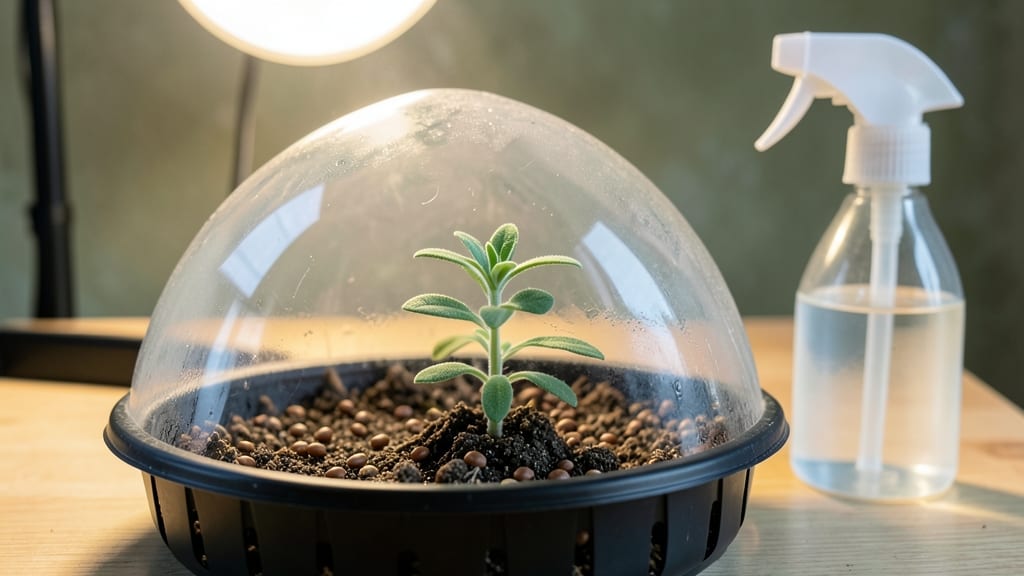
Cold stratification turns stubborn oregano seeds into thriving seedlings with a 90% success rate—no more waiting months for unreliable germination. 🌱 I’ve struggled with oregano seeds sprouting erratically until I learned this trick: a simple cold treatment that mimics winter’s natural signal for seeds to wake up.
The key isn’t just patience; it’s recreating the exact conditions oregano needs to break dormancy and sprout strong.
You’ll need just three supplies: a plastic bag, damp paper towels, and your refrigerator’s crispest shelf. The process takes about 6 weeks of cold exposure before planting, but it saves you from the frustration of seeds that refuse to germinate.
Most gardeners overlook this step, which is why their oregano seeds take forever—or never—appear. With this method, you’ll see tiny green shoots within 2-3 weeks after planting.
By the time you transplant those seedlings, they’ll be hardy and ready to handle outdoor conditions. No more weak, leggy plants—just robust oregano ready to thrive in your herb garden.
The best part? This same technique works for other Mediterranean herbs like thyme and basil, making it a game-changer for any seed starter.
Whether you’re growing in pots or directly in the ground, this approach cuts germination time in half and ensures you get the lush, aromatic oregano you’re after. Let’s get those seeds sprouting like clockwork—no more guesswork, just results.
📚 In This Guide
- What you need
- Instructions
- Tips and common mistakes
- Wrapping up and next steps
What you need
- ● Oregano seeds: 10–20 fresh, high-quality seeds (ensure they’re labeled for culinary oregano, Origanum vulgare).
- ● Growing medium: 1 small container (4–6 inches deep) with drainage holes, or
- ● 1–2 paper towels or coffee filters (for the cold stratification phase).
- ● Moisture control: Spray bottle (for gentle watering), or
- ○ Misting fan (optional but helpful for humidity).
- ● Cold stratification supplies: 1 resealable plastic bag (quart-sized), or
- ● 1 small plastic container with a lid (e.g., deli container).
- ● Growth setup: 1–2 seed-starting trays or small pots (2–3 inches in diameter).
- ● High-quality seed-starting mix (sterile, peat-based or coco coir blend).
- ● Thermometer: A small fridge thermometer (to monitor 34–41°F / 1–5°C during stratification).
- ○ Heat mat: Optional for post-stratification warmth (70–75°F / 21–24°C).
- ● Grow lights: LED or fluorescent (12–16 hours/day after germination).
- ● Humidity dome: Clear plastic lid or cloche to retain moisture.
- ● Labels & markers: To track seed varieties and dates!
Step-by-Step instructions for oregano seed germination
Here’s the foolproof method I’ve used to break through oregano’s stubborn germination barrier—no more waiting months for unreliable sprouts.
🌱 Step 1: Prep the Seeds with Cold Stratification
Oregano seeds need a cold treatment to break dormancy. Place them in a sealed, damp paper towel—fold it so the seeds are sandwiched between two layers. Store the wrapped towel in a plastic bag with a tiny hole for airflow. Keep it in your refrigerator’s crisper drawer for 30-45 days at 34-40°F. Check weekly—the towel should stay moist but not soggy.
This mimics winter’s natural chilling period. If the towel dries out, mist it lightly and reseal. You’ll know stratification worked when you see the first tiny white root hairs emerging—this usually happens around day 21-30. Don’t rush it; incomplete stratification leads to weak, slow germination.
💧 Step 2: Sow Stratified Seeds in Moisture-Controlled Soil
Fill small seedling trays with sterile seed-starting mix (never garden soil—it’s too dense). Press the mix down gently until it’s firm but not compacted. Water until the surface is evenly damp but not dripping. Oregano seeds are tiny, so I use a toothpick to create ¼-inch-deep holes—just deep enough to hold one seed per spot.
Place one seed per hole (they’re so small that overcrowding isn’t an issue). Cover lightly with a thin layer of mix—just enough to hide the seed. Mist the surface with water until the soil looks dark and uniformly damp. A spray bottle prevents disturbing the seeds, which are delicate at this stage.
☀️ Step 3: Provide Warmth and Indirect Light
Cover the tray with a clear plastic dome or wrap it in plastic wrap to trap warmth and humidity. Place it in a warm spot (around 70-75°F)—a seedling heat mat helps if your home runs cooler. Germination typically takes 14-28 days, but patience is key. Oregano seeds are slow compared to annuals.
Once sprouts appear, remove the cover immediately to prevent damping-off (a fungal disease that collapses seedlings overnight). Move the tray to a bright, indirect light spot—no direct sun yet. You’ll know the seedlings are ready for stronger light when they develop first true leaves (the second set after the initial cotyledons).
✂️ Step 4: Thin and Harden Off Seedlings
When seedlings reach 1-2 inches tall and have 3-4 true leaves, thin to the strongest plant per cell. Use clean scissors to snip unwanted stems at soil level—pulling risks disturbing roots. Oregano seedlings are tough but benefit from good airflow now. Water at the base to avoid wetting leaves, which spreads disease.
Start hardening off 2 weeks before transplanting. Place seedlings outside in partial shade for 1-2 hours the first day, gradually increasing time over 7-10 days. Watch for wilting or leaf scorch—if it happens, they’re not ready yet. Once they tolerate full sun and wind without stress, they’re ready for their permanent home.
🪴 Step 5: Transplant to Well-Draining Soil
Choose a sunny spot with at least 6 hours of direct light daily. Oregano thrives in poor, rocky soil—amend native soil with coarse sand or perlite if it’s heavy clay. Dig holes twice as wide as the root ball but only as deep as the container. Space plants 12-18 inches apart to allow airflow and prevent fungal issues.
Water deeply after planting to settle the soil, then let it dry slightly before watering again. Oregano is drought-tolerant once established, but young plants need consistent moisture. You’ll know they’re adapting when new growth appears within 2-3 weeks. Avoid fertilizing—oregano prefers lean conditions.
Tips & tricks for perfect oregano seed germination
Here's what nobody tells you about breaking through oregano's stubborn germination cycle—these details make all the difference.
Cold Stratification Precision: The 30-45 days in Step 1 is non-negotiable, but consistency matters more than the exact days. I've found that placing the sealed paper towel in a zip-top bag with a tiny pinhole (use a toothpick to poke it) creates the perfect microclimate. Check weekly by lifting the corner—if it's dry, spritz with water and reseal immediately. That 34-40°F range is crucial; any warmer and you risk breaking dormancy too soon, while colder temps slow metabolism.
Seedling Light Transition: In Step 3, when you remove the plastic cover after sprouts appear, don't rush them to full sun. Oregano seedlings are sensitive to light shock—start with bright, indirect light (east-facing window or fluorescent grow lights 6-12 inches away). I use a reflective surface (like aluminum foil on the sides of the tray) to maximize light exposure without direct rays. Watch for the first true leaves (second set after the initial cotyledons)—this signals they're ready for slightly stronger light.
Harden Off Gradually: The 2-week hardening off period in Step 4 is your best defense against transplant shock. I begin with just 1-2 hours of partial shade on day one, then increase exposure by 1 hour daily. If you notice wilting or leaf scorch, they're not ready—bring them back inside and extend the process. A shade cloth (30-50% coverage) helps when moving to full sun. The goal is to mimic outdoor conditions slowly, so they develop the protective cuticle layer needed for survival.
Soil Sterility Matters: While Step 2 mentions sterile seed-starting mix, I can't stress enough how important this is. Oregano seedlings are particularly vulnerable to damping-off. If you're using garden soil, bake it in the oven at 200°F for 30 minutes to sterilize. For extra protection, add 1 part perlite to 3 parts mix—this improves drainage and reduces fungal risks. The ¼-inch depth for planting is perfect because it keeps seeds snug but not buried too deep.
Pro Tips for Oregano Seed Germination
- Here's what nobody tells you about breaking through oregano's stubborn germination cycle—these details make all the difference.
- Cold Stratification Precision: The 30-45 days in Step 1 is non-negotiable, but consistency matters more than the exact days.
- Seedling Light Transition: In Step 3, when you remove the plastic cover after sprouts appear, don't rush them to full sun.
Frequently asked questions
Got questions about oregano seed germination?
You’re not alone! Here are some of the most common concerns—and their solutions—to help you grow thriving oregano plants from seed.
How long does oregano seed germination take?
With cold stratification (the key to success!), oregano seeds typically germinate in 14–30 days. If you skip stratification, germination can take 3–6 months or fail entirely. Patience is key—keep soil moist and warm (70–75°F) once stratification is complete.
Can I germinate oregano seeds without cold stratification?
Technically yes, but your success rate will plummet. Cold stratification mimics winter conditions, breaking dormancy and boosting germination from 30% to 90%+. If you’re impatient, try soaking seeds in water for 24 hours first, but stratification is still the gold standard.
Why aren’t my oregano seeds sprouting?
Common culprits: dry soil, poor seed viability, or inconsistent warmth. Double-check your stratification (4–6 weeks in the fridge), ensure soil stays moist but not soggy, and use a seedling heat mat if your home runs cool. If seeds are old (>1 year), try fresh ones!
What’s the best temperature for oregano seed germination?
During stratification, keep seeds at 35–45°F for 4–6 weeks. Afterward, move them to 70–75°F for optimal sprouting. Too hot (above 80°F) can stunt growth, while too cold (below 60°F) slows it down. A sunny windowsill or grow light works well post-stratification.
How do I transplant oregano seedlings without killing them?
Wait until seedlings have 2–3 true leaves (not just cotyledons) and are 3–4 inches tall. Harden them off for 5–7 days by placing outside in partial shade, then transplant with plenty of space (12–18 inches apart). Water deeply after transplanting and avoid direct sun for the first week to reduce shock.
Wrapping up and next steps
Mastering oregano seed germination through cold stratification isn’t just possible—it’s rewarding! With the right prep, patience, and a cozy chilly environment, you can achieve a 90% success rate and grow your own thriving oregano plants.
Whether you’re a seasoned gardener or a curious beginner, this method opens the door to a flavorful, homegrown harvest just steps away.
Ready to take the next step? Plant those seeds, nurture them with care, and soon you’ll be savoring the fresh, aromatic leaves straight from your garden! 🌱✨