
Propagation
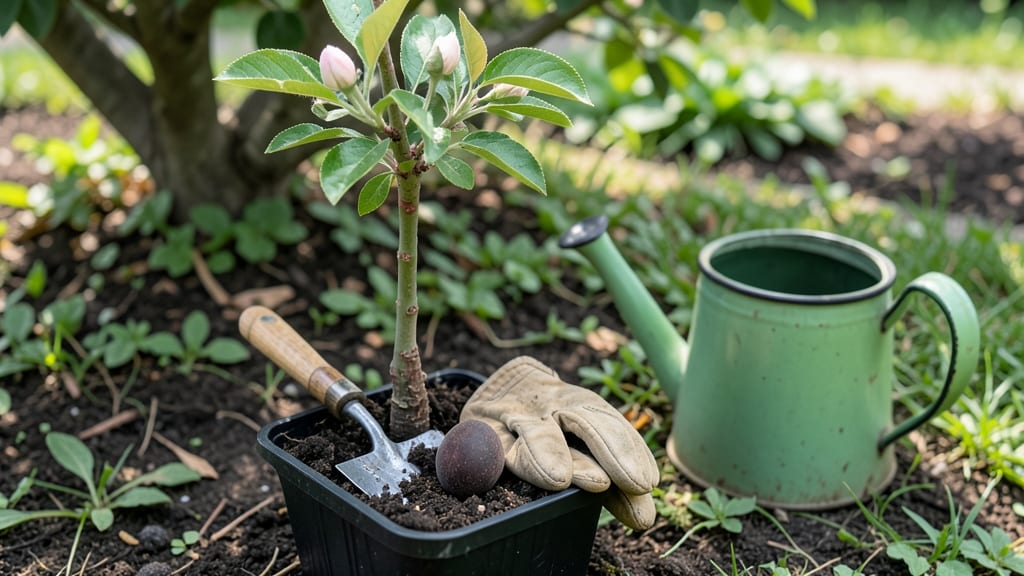
Growing a peach tree from a seed pit is one of those magical gardening projects that turns kitchen scraps into a future orchard. 🌱 The trick lies in breaking dormancy the right way—no fancy equipment, just patience and a few simple steps that coax life from what would otherwise be trash.
Most seed pits need 90 days of cold stratification to germinate, mimicking winter's natural process. I learned this the hard way after trying to rush it—now I use a damp paper towel in the fridge for 3 months, then transplant into soil when sprouts appear.
The wait pays off with a sturdy seedling that’s ready for its outdoor home. By summer, you’ll have a young tree with its first real leaves, though it’ll take 5-7 years to bear fruit—and it won’t be identical to the parent. That’s the trade-off for growing something truly your own.
The reward? A tree with deep roots in your yard and your story. Works for any climate, though warmer zones may need indoor stratification. Here’s how to do it right the first time—no guesswork, just science-backed steps.
📚 In This Guide
- What you need
- Instructions
- Tips and common mistakes
- Wrapping up and next steps
What you need
- ● Peach pit: 1 fresh, organic peach pit (avoid store-bought pits treated with fungicides).
- ○ Small pot or container: 1 (4–6 inches in diameter) with drainage holes. Optional: A seed-starting tray for multiple pits.
- ● Well-draining soil: 1 bag of seed-starting mix or a blend of 50% potting soil + 50% perlite/sand.
- ● Watering can or spray bottle: 1 with a fine mist setting.
- ● Plastic wrap or humidity dome: 1 (to create a greenhouse effect).
- ○ Heat mat (optional but helpful): 1 (70–85°F range) to speed up germination.
- ● Patience: Germination can take 3–6 weeks (sometimes longer).
- ● Warmth: Keep soil consistently at 70–85°F for best results.
- ● Sunlight: Place the pot in bright, indirect light (or under grow lights) once sprouted.
- ● Space: Ensure your growing area has room for the tree to mature (peach trees need 15+ feet of space!).
Step-by-step instructions for germinating a peach tree from seed pit
Here's how to transform a peach pit into a thriving seedling—naturally and reliably.
🌱 Step 1: Prepare the Seed Pit for Germination
First, clean the pit thoroughly by removing all remaining fruit flesh, then scrub it under running water to eliminate any residual sugars that can cause mold. Let it dry completely for 24-48 hours at room temperature. This step is critical—moisture trapped inside the pit will rot it before germination begins.
Next, place the pit between two damp paper towels. Fold the towels so they wrap snugly but don’t crush the pit. Store the wrapped pit in a sealed plastic bag—this traps humidity while allowing airflow. Keep the bag in a warm spot, like on top of your fridge or near a sunny window. You’ll see the first signs of sprouting in 2-4 weeks, when a tiny white root emerges.
💧 Step 2: Plant the Sprouted Pit in Soil
Once the root reaches about ½ inch long and a tiny shoot appears, it’s time to plant. Fill a small pot (at least 4 inches deep) with well-draining potting mix—avoid garden soil, which can compact and suffocate young roots. Make a hole about 1 inch deep and place the pit in, root-side down, so the shoot faces upward. Gently press the soil around it to secure it without compacting.
Water lightly until the soil feels moist but not soggy. Place the pot in a warm, bright spot with indirect sunlight—direct sun at this stage can scorch the delicate shoot. Keep the soil consistently moist by checking the top inch daily; it should feel damp but not wet. Overwatering now will cause the pit to rot before the seedling establishes.
☀️ Step 3: Transition to Stronger Light and Care
After 2-3 weeks, when the seedling reaches 2-3 inches tall and develops its first true leaves (not the initial seed leaves), it’s ready for more light. Move it to a south-facing window or under a grow light for 12-14 hours of light daily. You’ll notice the leaves darken and the stem thicken—this means the seedling is photosynthesizing properly.
At this stage, fertilize lightly with a diluted balanced liquid fertilizer (10-10-10) mixed to half-strength. Water deeply but allow the top inch of soil to dry slightly between waterings to encourage strong root growth. Avoid cold drafts, as young peach seedlings are sensitive to temperature drops below 50°F.
⏰ Step 4: Harden Off and Prepare for Outdoors
When the seedling reaches 6-8 inches tall and has 5-6 true leaves, it’s time to harden it off. Start by placing it outside in a sheltered spot for 1-2 hours daily, gradually increasing exposure over 10-14 days. Watch for wilting or yellowing leaves—this signals it’s not ready for longer outdoor time yet.
Once the seedling tolerates full outdoor conditions without stress, transplant it into the ground or a larger pot. Choose a location with full sun (6+ hours daily) and well-draining soil. Mulch around the base to retain moisture and protect the roots. Remember, peach trees grown from seed may not produce fruit identical to the parent tree, but the process is rewarding and educational.
Tips & tricks for germinating a peach tree from seed
Here's what I learned after watching my first peach pit sprout—and how to avoid the pitfalls I encountered.
Patience is Key: The 24-48 hour drying period might seem like overkill, but trust me on this—skipping it leads to moldy pits. Place your pit on a paper towel in a warm, dry spot (like on top of your fridge) to speed up drying without risking moisture buildup. If you're impatient and see tiny cracks forming, that's actually a good sign—the pit is releasing excess moisture.
Temperature Matters: That 50°F threshold isn't just arbitrary—it's the sweet spot for peach seedling survival. If your home dips below this, move your seedling to a warmer spot or use a small space heater (safely!) to maintain warmth. I've seen seedlings wilt dramatically when exposed to drafts or cold windows—don't let that happen to yours.
Visual Cues for Success: During the 2-4 week germination window, look for these signs: the root should emerge first (white and fuzzy), followed by a tiny shoot. If you see mold instead, your pit wasn't dry enough—start over with a fresh, thoroughly dried pit. Once planted, healthy soil should smell earthy, not sour or musty.
Light Transition Strategy: When moving your 2-3 inch seedling to stronger light after 2-3 weeks, do it gradually over 3-4 days. Sudden exposure to full sun can cause sunburn on delicate leaves. I place my seedlings near an east-facing window first, then gradually rotate to south-facing as they strengthen—this mimics natural sunlight progression.
Pro Tips for Peach Tree From Seed Pit
- Here's what I learned after watching my first peach pit sprout—and how to avoid the pitfalls I encountered.
- Patience is Key: The 24-48 hour drying period might seem like overkill, but trust me on this—skipping it leads to mol...
- Temperature Matters: That 50°F threshold isn't just arbitrary—it's the sweet spot for peach seedling survival. If you...
Frequently asked questions
Got questions about growing a peach tree from a seed pit? You’re not alone! Here are answers to the most common queries to help you succeed:
How long does it take for a peach seed to sprout?
A peach seed typically sprouts in 4–12 weeks, depending on temperature, moisture, and seed viability. With the right conditions (warmth, humidity, and patience), you’ll see tiny roots and shoots emerging in as little as 3 months—just like our guide promises!
Will a peach tree grown from seed produce fruit like the parent?
Probably not! Seed-grown trees are unpredictable—the fruit may differ in size, taste, or even ripening time. For consistent peaches, graft a known variety onto your seedling later. But hey, the fun of experimentation makes it worth it!
Can I speed up germination?
Yes! Soak the seed pit in warm water for 24 hours before planting, or use a heat mat (70–80°F) to mimic spring conditions. A clear plastic bag over the pot traps humidity—just remove it once sprouts appear to prevent mold. Patience is key!
What if my seed doesn’t sprout?
Don’t give up! Try these fixes:
- Check viability: Cut open the seed—if it’s brown inside, it’s dead.
- Adjust moisture: Keep soil damp (not soggy) and avoid overwatering.
- Try stratification: Refrigerate the seed in a damp paper towel for 2–4 weeks to mimic winter.
How big should my seedling be before transplanting?
Wait until your seedling has 3–5 true leaves (not the first seed leaves) and a sturdy stem. Transplant on a warm, cloudy day to reduce shock. Harden it off for a week by gradually exposing it to outdoor conditions before moving to its permanent spot.
Wrapping up and next steps
Growing a peach tree from a seed pit is a rewarding journey that connects you to nature’s cycle—plus, you’ll soon enjoy homegrown fruit with a personal touch! 🌱 While patience is key (true-to-fruit results may take years), this method is a fun, budget-friendly way to nurture a tree from scratch.
Now that you’re armed with tips, start small: pick a ripe peach, plant the seed, and watch your green thumb grow!
🌟 Next Step:
- Tag & track your seedling’s progress—share updates with fellow gardeners!
- Once sprouted, research local climate needs to ensure your tree thrives.
- Celebrate every leaf and branch—you’re building a legacy, one seed at a time! 🎉