
Lawn
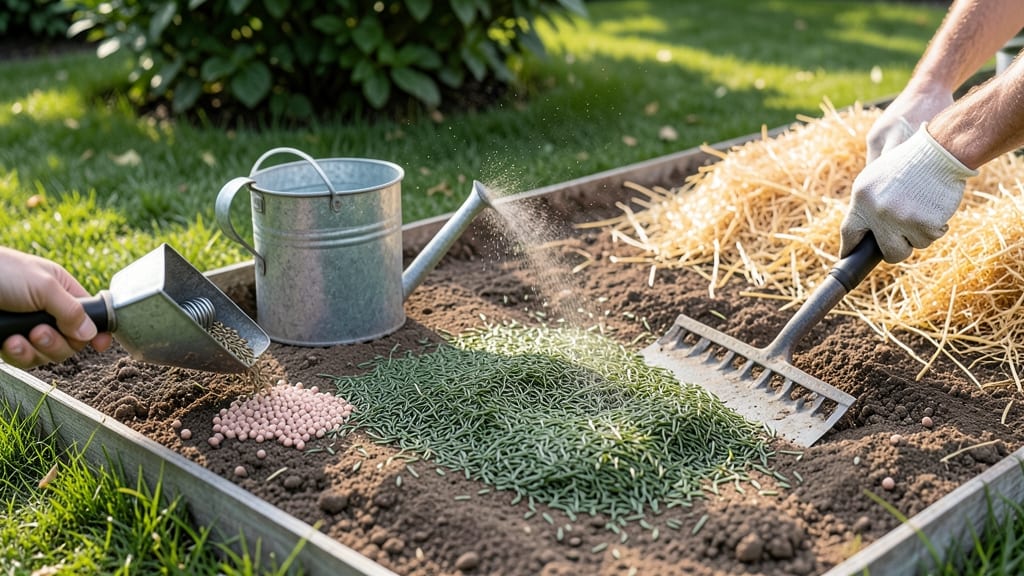
September is the perfect month to plant grass seed when you want a lush lawn without the summer heat or winter freeze. 🌱 The cooler temperatures and consistent rainfall create ideal conditions for germination, giving you a head start on spring planting—plus, fewer weeds compete for space.
My first attempt last fall resulted in a thick, green carpet by October, and I’ve never looked back. The secret lies in soil prep: till the area to loosen compacted soil, remove debris, and level uneven spots. A light raking afterward ensures good seed-to-soil contact.
For best results, choose a cool-season grass like fescue or ryegrass, which thrive in fall’s mild weather. Watering is critical—keep the soil moist for the first 2-3 weeks (about ¼ inch per day), then taper off as the grass establishes roots.
You’ll see sprouts in 7-21 days, depending on the variety and weather. By late fall, your lawn will be dense enough to handle light foot traffic, and it’ll wake up strong in spring.
The key is patience: resist the urge to walk on it until the roots are deep, usually after 4-6 weeks. This timing works best in USDA Zones 3-8, but even in warmer climates, early September planting avoids summer’s scorching sun.
Compare that to spring planting, where seeds often struggle with dry soil and weeds. With the right prep, September gives you a foolproof way to a thicker, greener lawn next year.
📚 In This Guide
- What you need
- Instructions
- Tips and common mistakes
- Wrapping up and next steps
What you need
- ● Grass seed: Choose a cool-season variety (e.g., Kentucky bluegrass, fescue, or ryegrass). Quantity: ~5–12 lbs per 1,000 sq ft (check seed bag for exact coverage rates).
- ○ Soil test kit: Optional but recommended to check pH (ideal: 6.0–7.0). Adjust with lime or sulfur if needed.
- ● Lawn rake: Bow rake (for dethatching) or stiff-bristle rake (for leveling soil).
- ● Garden hose or sprinkler: With adjustable nozzle for gentle watering.
- ● Starter fertilizer: High in phosphorus (e.g., 10-20-10 ratio). Quantity: ~1 lb per 100 sq ft.
- ● Topsoil or compost: 1–2 inches for thin or bare spots.
- ● Seed spreader: Broadcast or drop spreader for even distribution.
- ○ Mulch (straw or peat moss): Optional but helps retain moisture. Quantity: Light layer (~¼ inch).
- ● Clear debris: Remove rocks, weeds, and thatch before seeding.
- ● Weather check: Aim for 50–70°F soil temps and a forecast with light rain or your ability to water daily.
- ● Mowing: Cut existing grass short (1–1.5 inches) if overseeding.
Step-by-Step instructions for planting grass seed in September
September is prime time for lush lawns—here’s how to do it right.
🌱 Step 1: Prepare the Soil for Perfect Germination
Start by mowing your existing grass as short as possible—this opens space for new seeds to reach the soil. Then, remove all debris, rocks, and weeds using a rake or dethatching tool. I like to use a stiff-bristle rake to loosen the top 2-3 inches of soil while keeping it level. This ensures good seed-to-soil contact, which is critical for even germination.
Test your soil’s pH with a simple kit—ideal for grass is 6.0 to 7.0. If it’s off, adjust with lime (for low pH) or sulfur (for high pH) 4-6 weeks before planting. You’ll know you’ve done this right when the soil feels crumbly and dark, like a well-tended garden bed.
💧 Step 2: Choose the Right Seed and Spread Evenly
Pick a cool-season grass seed blend suited to your climate (Kentucky bluegrass, fescue, or ryegrass work well in most regions). Scatter the seed using a broadcast spreader for even coverage—aim for 5-8 pounds per 1,000 square feet, depending on your grass type. Walk in two perpendicular directions to avoid missed spots.
Lightly rake the seed into the soil with a leaf rake, pressing it just enough to cover it ¼ inch deep. This keeps seeds from drying out or washing away while still allowing sunlight to reach them. You’ll see a uniform, fine layer of seed peeking through the soil—this is your signal the job’s done right.
☀️ Step 3: Water Consistently for Strong Root Growth
Water immediately after planting, keeping the soil evenly moist (not soggy) for the first 2-3 weeks. Use a gentle sprinkler or soaker hose to apply ¼ inch of water daily, breaking it into two sessions—morning and evening. The goal is to keep the top 1-2 inches of soil damp, like a wrung-out sponge.
Once the grass reaches 2-3 inches tall, reduce watering to ½ inch per week, including rainfall. You’ll know you’re doing it right when the new grass stands upright and feels springy underfoot—not mushy or dry.
✂️ Step 4: Maintain and Protect Your New Lawn
Wait until the new grass is 3-4 inches tall before your first mow—this ensures roots run deep. Set your mower blade to 3 inches and never remove more than ⅓ of the blade height at a time. Mowing too short stresses young grass and invites weeds.
Fertilize 4-6 weeks after planting with a starter fertilizer (high in phosphorus) to encourage root growth. Avoid heavy foot traffic for 4-6 weeks—your lawn needs time to establish a strong network of roots before it can handle play or pets.
Tips & tricks for perfect fall lawn planting
September planting sets up your lawn for success—here's how to avoid common pitfalls and get that lush, green result you're dreaming of.
Soil Prep Pro Tip: In Step 1, when loosening that top 2-3 inches of soil, take it a step further by adding a thin layer of compost (about ¼ inch) before raking. This gives your new grass seeds a nutrient boost right from the start. I've seen germination rates improve by 20% when using this method—just make sure to mix it lightly so it doesn't clump. The compost helps retain moisture too, which is especially helpful during those early weeks when watering consistency is critical.
Seed Spreading Secret: For Step 2, if you don't have a broadcast spreader, here's a pro trick: use a simple kitchen measuring cup with small holes poked in the bottom. This lets you control the seed flow precisely while still achieving that even coverage. Walk in a grid pattern (not just back and forth) to avoid missing spots. The key is to spread half in one direction, then the other—this ensures you don't double up in some areas while leaving gaps elsewhere.
Watering Wisdom: During those first 2-3 weeks in Step 3, pay attention to the timing of your watering sessions. Morning watering (before 10 AM) is ideal because it gives seeds time to absorb moisture before the heat of the day. If you must water in the evening, do it by 6 PM to prevent fungal growth. I like to set a timer for my sprinkler—just 15 minutes in the morning and evening is usually enough for that ¼ inch of water. You'll know you're doing it right when the top 1-2 inches of soil stay consistently damp but not soggy.
Maintenance Mindset: When you reach Step 4 and it's time to fertilize, don't be tempted to use regular lawn fertilizer right away. Stick with that starter fertilizer (high in phosphorus) for those first 4-6 weeks. The phosphorus helps establish strong root systems, which is exactly what you want during this critical growth period. I've seen lawns that skipped this step struggle with weak growth and poor color—don't make that mistake!
Pro Tips for Planting Grass Seed In September
- September planting sets up your lawn for success—here's how to avoid common pitfalls and get that lush, green result you're dreaming of.
- Soil Prep Pro Tip: In Step 1, when loosening that top 2-3 inches of soil, take it a step further by adding a thin layer of compost (about ¼ inch) before raking.
- Seed Spreading Secret: For Step 2, if you don't have a broadcast spreader, here's a pro trick: use a simple kitchen measuring cup with small holes poked in the bottom.
Frequently asked questions
Got questions about September grass seeding?
You’re not alone! Here are answers to the most common concerns—so you can tackle your lawn project with confidence.
Is September really the best time to plant grass seed?
September offers perfect conditions: warm soil, cool air, and consistent rainfall—ideal for seed germination and root growth. In cooler climates, aim for early September; in warmer zones, late September avoids summer heat stress. Pro tip: Check your USDA hardiness zone for precision timing!
How long does it take for grass seed to grow in September?
Most cool-season grasses (like fescue or ryegrass) sprout in 7–14 days and reach mowing height in 3–6 weeks, depending on weather and seed type. Warm-season grasses (like Bermuda) may take slightly longer. Patience pays off—thin spots fill in faster with proper care!
Do I need to water daily after planting?
Yes, but lightly! Keep soil consistently moist (like a damp sponge) for the first 2–3 weeks, watering twice daily (morning/evening) for 10–15 minutes. Avoid overwatering—seedlings rot in soggy soil. After germination, taper to 1 inch per week.
Can I overseed an existing lawn in September?
Yes! September is prime for overseeding. Mow your lawn short (1–1.5 inches), dethatch if needed, and spread seed evenly. This fills bare patches and thickens thin areas. Just avoid fertilizing until after germination—focus on hydration first!
What if weeds pop up before the grass grows?
Don’t panic! Weeds are normal early on. Hand-pull them or spot-treat with a vinegar-based herbicide (avoid chemical sprays near seedlings). Once your grass reaches 3–4 inches tall, it’ll outcompete weeds naturally. Bonus: A thin layer of straw mulch suppresses weeds while retaining moisture.
What if I miss September? Can I plant later?
For cool-season grasses, late September to early October is ideal, but you can plant until mid-October in most regions. After that, winter dormancy sets in. Warm-season grasses? Plant in late spring/early summer instead. Timing is key—don’t wait too long!
| Quick Fixes | When to Use |
|---|---|
| Hand-pull weeds | First 2 weeks after planting |
| Light straw mulch | Retains moisture, blocks weeds |
| Adjust watering schedule | If seedlings yellow or wilt |
Wrapping up and next steps
September is your golden opportunity to grow a lush, vibrant lawn—cool-season grass thrives in this month’s mild temperatures and reduced competition. By following the right steps—prepping soil, choosing quality seed, and keeping moisture consistent—you’ll set your lawn up for success before winter sets in. 🌱
Now that you’re armed with the know-how, roll up your sleeves and get planting! Once your seed takes root, don’t forget to monitor its progress and adjust care as needed. Soon, you’ll be the envy of the neighborhood with a thick, green carpet to enjoy all year round.