
Container Gardens
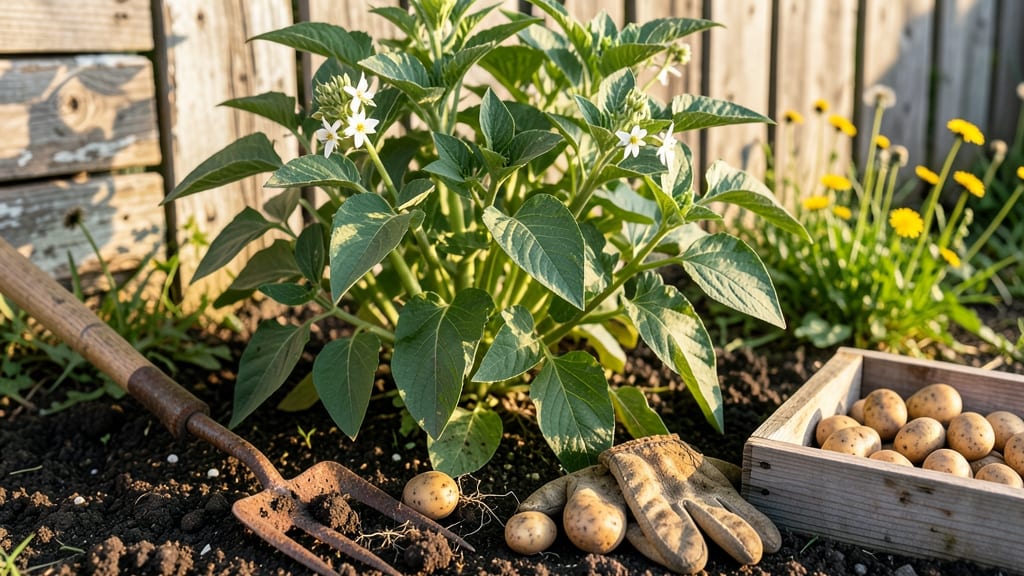
Planting seed potatoes in containers turns small spaces into high-yield harvests. 🌱 I started with just a few 5-gallon buckets last spring, and now my patio produces more potatoes than my backyard garden ever did.
The secret? Choosing the right containers and mimicking the deep, loose soil potatoes crave in the ground.
You'll need seed potatoes (not grocery store spuds), containers at least 10 inches deep, well-draining soil mix, and a sunny spot that gets 6+ hours of light daily. Most beginners overlook chitting—pre-sprouting your potatoes—which gives you a 2-week head start on growth.
My first attempt without chitting took 3 weeks longer to harvest, and the yields were noticeably smaller.
By harvest time (around 90-120 days depending on variety), you'll be pulling out fist-sized tubers from containers that took up less than 2 square feet of space. The key is regular watering—never let them dry out—and adding 2-3 inches of soil as the plants grow to encourage more tuber formation.
Those little buckets become treasure chests of food.
Works for any variety—red, yellow, or purple potatoes—and adapts to balconies, patios, or even a sunny windowsill. The only real limitation is container size: bigger pots mean bigger harvests, but even 5-gallon buckets produce enough for a family of four. Here's how to get started without wasting space or money.
📚 In This Guide
- What you need
- Instructions
- Tips and common mistakes
- Wrapping up and next steps
What you need
- ● Seed potatoes: 2–4 certified disease-free seed potatoes per container (choose varieties like Yukon Gold, Red Pontiac, or Fingerlings).
- ● Containers: 1–2 deep pots (10–12 inches minimum) or grow bags (5–10 gallons). Drill drainage holes if not pre-made!
- ● Potting mix: 2–3 bags of high-quality, well-draining organic mix (avoid garden soil—it compacts!).
- ○ Chitting tray (optional but helpful): A shallow tray or egg carton to pre-sprout potatoes indoors.
- ● Fertilizer: Balanced organic fertilizer (5-5-5 or 10-10-10) or compost tea for a nutrient boost.
- ● Watering can or hose with a gentle nozzle: Containers dry out fast—keep it handy!
- ○ Garden twine or stakes (optional): For tall varieties to support vines as they grow.
- ● Mulch (straw or shredded leaves) to retain moisture and regulate soil temp.
- ● Slow-release fertilizer pellets for convenience.
- ● A moisture meter to track soil hydration (especially for beginners!).
- ● Insect netting to protect from pests like Colorado potato beetles.
Step-by-step instructions for planting seed potatoes in containers
Here's my foolproof method for growing bountiful potatoes in limited space—no garden required.
🌱 Step 1: Chit Your Seed Potatoes Before Planting
Start by placing your seed potatoes in a bright, cool spot (50-60°F) for 4-6 weeks before planting. This process, called "chitting," encourages strong sprouts (called "chits") to form on the top of each potato. I place them in an egg carton with the chit side up—this keeps them organized and makes transplanting easier later.
Watch for green shoots about 1-2 inches long—that's your signal they're ready. If the chits grow too long before planting, they'll break easily. Keep them in indirect light until planting day to avoid leggy growth. This pre-sprouting gives your potatoes a 2-week head start on the season.
🪴 Step 2: Choose and Prepare Your Containers
Select containers that are at least 12 inches deep—deeper is better for larger yields. I use 5-gallon buckets with drainage holes because they're sturdy and hold enough soil for multiple potatoes. Fill the bottom 6 inches with well-draining potting mix (never garden soil—it compacts and rots tubers).
Add a 2-inch layer of compost mixed into the top 6 inches of soil. This provides nutrients without overwhelming the plants. Avoid heavy fertilizers now—potatoes are sensitive to high nitrogen early on. Place your containers where they'll get full sun (6+ hours daily)—a south-facing spot works best.
💧 Step 3: Plant Your Chitted Potatoes Correctly
Place 1-2 seed potatoes per container, spacing them 6 inches apart if using larger pots. Position them with the chits facing up and cover with 2-3 inches of soil. Water gently until the soil is moist but not soggy—you want the potatoes to settle without floating.
As the plants grow, add 2-3 inches of fresh soil every 2 weeks until the container is full. This "hilling" technique encourages more tuber formation underground. Stop when the soil reaches 1-2 inches from the container rim—this prevents the plant from growing too tall and toppling.
☀️ Step 4: Maintain Water and Light for Maximum Yield
Water your containers when the top inch of soil feels dry—about once a week in warm weather, less in cool conditions. Overwatering causes rot, while underwatering leads to small, misshapen potatoes. I use a soaker hose to deliver moisture evenly without disturbing the soil surface.
Rotate your containers a quarter turn weekly to ensure even sunlight exposure. You'll notice leaves turning toward the light—this prevents lopsided growth. When flowers appear (about 6-8 weeks in), reduce water slightly to shift energy from blooms to tuber development. Stop watering completely 2 weeks before harvest to toughen the skins.
⏰ Step 5: Harvest and Store Your Potatoes Properly
Wait until the plant foliage yellows and dies back—usually 10-14 weeks after planting. Gently empty the container and brush off excess soil. Handle tubers carefully to avoid bruising. I cure them in a cool, dark, dry place (55-60°F) for 1-2 weeks before storage to develop thicker skins.
Store your potatoes in a paper bag or cardboard box with good airflow. Check periodically for soft spots or sprouting—remove any affected potatoes immediately. With this method, I've harvested 2-3 pounds of potatoes per 5-gallon container, proving that space-saving techniques deliver real results.
Tips & tricks for perfect container-grown potatoes
These space-saving secrets will help you grow more potatoes in less space—without sacrificing quality or yield.
Chitting Optimization: For faster results, place your seed potatoes in a bright, cool spot (50-60°F) and check them weekly. I've found that using a seedling tray with drainage holes works better than egg cartons for larger batches—it gives each potato its own space to develop chits. Once you see 1-2 inch shoots, they're ready, but don't let them get leggy in bright light before planting.
Container Selection Strategy: While 5-gallon buckets work well, fabric grow bags are my secret weapon for container potatoes. They're lightweight, allow roots to breathe, and you can squeeze in more plants per square foot. Just make sure they have drainage holes and are at least 12 inches deep—shallow containers limit tuber development.
Soil Layering Technique: The key to maximizing yield in containers is proper soil layering. Start with 6 inches of well-draining potting mix, then add that 2-inch compost layer only in the top 6 inches where roots will concentrate. As you hill up every 2 weeks, mix in another 1-inch of compost with the fresh soil. This creates a nutrient-rich zone where most tubers form.
Watering Wisdom: The "top inch dry" rule is perfect, but I've learned to adjust for container size. In 5-gallon buckets, I water every 5-6 days in summer instead of weekly—containers dry out faster than garden beds. Morning watering prevents fungal issues, and using a soaker hose keeps moisture consistent without disturbing the soil surface where tubers form.
Pro Tips for Planting Seed Potatoes In Containers
- These space-saving secrets will help you grow more potatoes in less space—without sacrificing quality or yield.
- Chitting Optimization: For faster results, place your seed potatoes in a bright, cool spot (50-60°F) and check them w...
- Container Selection Strategy: While 5-gallon buckets work well, fabric grow bags are my secret weapon for container p...
Frequently asked questions
Got questions about growing seed potatoes in containers? You’re not alone! Here are some of the most common concerns—and straightforward answers—to help you get started with confidence.
What’s the best container size for seed potatoes?
Use containers that are at least 10–12 inches deep and 12–18 inches wide per potato. Larger containers (like 5-gallon buckets or half barrels) allow for more tubers and better drainage. Avoid shallow planters—they limit root growth and reduce yield.
When is the ideal time to plant seed potatoes in containers?
Plant 4–6 weeks before your last frost date (spring) for best results. Seed potatoes need chilly soil (40–50°F) to sprout but warm air (above 50°F) to grow. In warm climates, plant in fall for a winter harvest. Check local frost dates to time it right!
Can I use store-bought potatoes as seed potatoes?
Technically yes, but certified seed potatoes are safer and more reliable. Store-bought potatoes may carry diseases or have been treated to prevent sprouting. If you must use grocery-store potatoes, choose organic, untreated ones and let them sprout in a cool, dark place for 4–6 weeks before planting.
How do I prevent pests and diseases in container-grown potatoes?
Start with sterile potting mix and avoid overwatering (soggy soil invites rot). Use row covers to deter pests like Colorado potato beetles. Rotate crops yearly if reusing containers, and remove and compost any diseased foliage immediately. A light application of neem oil can also help ward off issues.
What can I plant with potatoes in containers to save space?
Pair potatoes with companion plants that thrive in similar conditions:
- Beans or peas (fix nitrogen in the soil)
- Lettuce or spinach (harvest early before potatoes fill the pot)
- Bush basil or marigolds (deter pests naturally)
Wrapping up and next steps
Growing seed potatoes in containers is a rewarding way to enjoy fresh, homegrown spuds—even in small spaces! With the right techniques, you’ll save space, avoid pests, and boost your harvest. Start small, experiment with varieties, and don’t forget to rotate containers for optimal growth.
Ready to dig in? Next up: Share your container garden success (or questions!) in the comments—or try planting another crop in your spare pots! 🌱