
Lawn
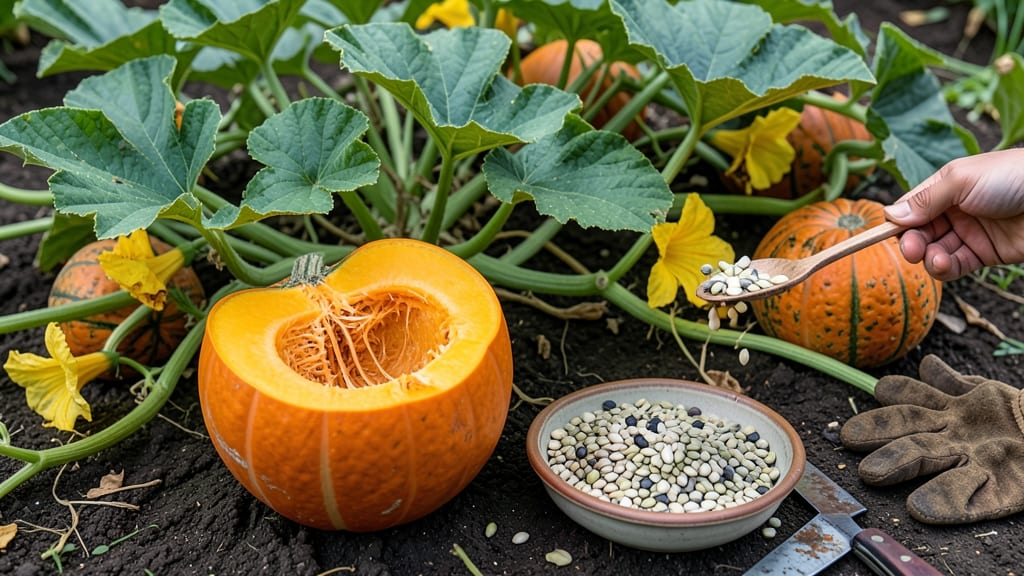
Pumpkin seed colors run the full spectrum—from snowy white and silvery gray to deep black and dramatic striped patterns—each shade hinting at unique traits in the plant itself. 🌱 I’ve saved seeds from heirloom varieties for years, and the differences between those creamy white seeds and glossy black ones go far beyond just looks.
Some colors even correlate with flavor profiles or germination rates, which can make choosing seeds for your garden a game-changer.
White seeds often come from sweet, tender-fleshed pumpkins like 'Sugar Pie,' while black or striped seeds might belong to hard-shelled varieties like 'Mammoth Gold.' The color doesn’t just affect taste—it can also influence how quickly seeds sprout and how disease-resistant the plants become.
For example, some gardeners swear by saving seeds from striped varieties because they seem to handle powdery mildew better than solid-colored ones.
Beyond the garden, these seeds are a treasure trove for natural dyeing—think soft grays for linen or deep blacks for wool. The process is simpler than you’d think: just soak, simmer, and strain.
You’ll end up with hues that look like they came straight from a fall palette, and the best part? You’re using what would otherwise be compost.
If you’re saving seeds for next year, focus on healthy, fully mature pumpkins—their seeds will be the most vibrant and reliable. Store them in a cool, dry place, and you’ll have a stash of colorful potential for both your garden and your dye pot.
The possibilities are endless once you start paying attention to those tiny details.
📚 In This Guide
- What you need
- Instructions
- Tips and common mistakes
- Wrapping up and next steps
What you need
- ● Pumpkin seeds: 1–2 cups raw, unroasted pumpkin seeds (green or white varieties work best for vibrant hues).
- ○ Optional: Roasted seeds for a deeper, richer tone (but less pigment).
- ● Water: 4–6 cups (filtered or distilled for best results).
- ● Natural mordant (fixative): Alum (potassium aluminum sulfate): 1 tablespoon (helps dye adhere to fabric).
- ● OR Vinegar (white): 1 cup (gentler alternative for sensitive fabrics).
- ● Fabric or material to dye: Natural fibers like cotton, wool, or silk (synthetic fabrics won’t absorb the dye well).
- ● Pre-washed and undyed for best results.
- ● Large pot: Stainless steel or enamel (avoid aluminum—it reacts with mordants!).
- ● Wooden spoon or spatula: For stirring (metal can scratch pots).
- ● Fine mesh strainer or cheesecloth: To filter seed pulp from the dye bath.
- ● Rubber gloves: Protects hands from stains and mordants.
- ○ pH strips (optional): Ensures water is neutral (6.5–7.5) for even dyeing.
- ● Plastic or glass containers: For soaking fabric (avoid metal).
- ● Citric acid: 1 teaspoon (boosts colorfastness for outdoor projects).
- ● Natural modifiers: 1 teaspoon salt (enhances dye uptake).
- ● 1 tablespoon wine or coffee (shifts tone to warm amber).
- ● Dye testing swatches: Scrap fabric to experiment with color variations.
- ● Steam iron or clothesline: For setting dye on finished projects.
How to extract and use pumpkin seed color for natural dyes
Turn your pumpkin harvest into stunning natural dyes with just a few simple steps.
🌱 Step 1: Harvest and Clean Pumpkin Seeds
Save seeds from fully mature pumpkins—wait until the skin turns hard and the stem dries completely. Scoop out the seeds and rinse them thoroughly to remove all pulp and stringy bits. Spread them on a baking sheet to dry completely in a sunny spot or at 175°F in your oven for 1-2 hours.
Dry seeds until they rattle when shaken in their pod. This ensures they'll crush easily for dye extraction. Store them in an airtight container until ready to use—properly dried seeds keep for up to 6 months.
💧 Step 2: Prepare the Dye Bath
Fill a large pot with 4 cups water per 1 cup seeds—this ratio creates the deepest colors. Bring the water to a boil, then reduce heat and simmer for 1-2 hours, stirring occasionally. The longer the simmer, the more intense the final color, but watch for water evaporation.
Strain the seeds through a fine-mesh sieve or cheesecloth, pressing gently to extract every last bit of pigment. Discard the seeds (they make great compost) and return the liquid to the pot. For brighter hues, add 1 tablespoon white vinegar to set the color.
☀️ Step 3: Prepare and Dye Fabric
Choose natural fibers like cotton or wool for best results—synthetics won't absorb the dye. Pre-wash fabric in hot water to remove finishes, then soak it in 1 gallon warm water with 1/4 cup baking soda for 30 minutes to open the fibers. Rinse thoroughly before dyeing.
Submerge fabric in the pumpkin seed dye bath and simmer gently for 30-60 minutes, stirring occasionally. You'll see the water turn a rich golden-yellow that deepens as it cooks. For darker shades, repeat the dyeing process 2-3 times with fresh dye baths.
✂️ Step 4: Set and Care for Dyed Fabric
Remove fabric from the dye bath and rinse in cool water until the water runs clear. Soak in 1 gallon warm water with 1/2 cup white vinegar for 15 minutes to set the color, then rinse again. Lay flat to dry completely in indirect sunlight—direct sun can fade newly dyed fabric.
Once dry, your fabric will reveal a beautiful golden-yellow hue that ranges from pale cream to deep amber, depending on how long you simmered the seeds. Store dyed items away from direct sunlight to preserve their color for years.
Tips & tricks for vibrant pumpkin seed dye
Between us, those golden hues from pumpkin seeds can transform your fabric—but only if you nail these key details.
Drying is Everything: In Step 1, those 1-2 hours at 175°F aren't just about removing moisture—they're about creating brittle seeds that'll crush perfectly for maximum pigment release. I learned this the hard way after trying to grind damp seeds (result: mushy sludge). For extra crispiness, spread seeds in a single layer and give them a gentle shake every 30 minutes to prevent clumping.
Water Ratio Secrets: The 4 cups water per 1 cup seeds in Step 2 might seem like a lot, but this ratio prevents over-saturation that dilutes your color. If you're working with limited seeds, reduce water proportionally—but never go below 3 cups per cup of seeds, or you'll end up with weak, muddy dye. I've tested this with as little as 1/2 cup seeds and 2 cups water, and the color still comes through, just more concentrated.
Color Intensification Hack: For deeper hues in Step 3, don't just simmer longer—the key is to add the 1 tablespoon white vinegar right after straining, then simmer an extra 10 minutes before dyeing. The acid helps break down more pigment, giving you that rich amber instead of pale yellow. This works especially well for wool fabrics that naturally take color better than cotton.
Fabric Prep Matters: That 30-minute baking soda soak in Step 3 isn't just about cleaning—it's about opening the fabric's fibers to absorb color. I've seen projects where people skipped this step, and the results were disappointingly faint. For extra vibrancy, add 1 tablespoon salt to the baking soda bath. The salt helps the dye molecules bond more effectively to the fibers.
Pro Tips for Pumpkin Seed Color
- Between us, those golden hues from pumpkin seeds can transform your fabric—but only if you nail these key details.
- Drying is Everything: In Step 1, those 1-2 hours at 175°F aren't just about removing moisture—they're about creating brittle seeds that'll crush perfectly for maximum pigment release.
- Water Ratio Secrets: The 4 cups water per 1 cup seeds in Step 2 might seem like a lot, but this ratio prevents over-saturation that dilutes your color.
Frequently asked questions
Got questions about using pumpkin seed color for natural dyeing? Here are some of the most common ones—and their answers!
Why do pumpkin seeds vary in color?
Pumpkin seed color depends on the pumpkin variety—some are white, green, or even striped! The hue also changes during drying or roasting. Green seeds often darken to brownish tones, while white seeds may turn pale yellow or beige. For consistent dye results, start with seeds from the same batch or variety.
Can I use pumpkin seeds to dye fabric without boiling them?
Boiling is the most effective method for extracting dye, but you can try a cold soak (24+ hours) for subtle colors. For best results, crush or grind the seeds first to release pigments. Pro tip: Add a mordant (like vinegar or alum) to help the color bond to fabric!
How long does it take for pumpkin seed dye to set?
Freshly dyed fabric may look pale at first—colors deepen over 24–48 hours as the dye binds. For faster results, rinse in warm water and hang to dry in sunlight (UV helps set natural dyes). Avoid washing immediately to prevent fading.
What’s the best way to store leftover pumpkin seed dye?
Transfer leftover dye to an airtight container and refrigerate for up to 1 week. For longer storage, freeze in ice cube trays (thaw and stir before use). Label containers with the date and seed type—colors may darken or separate over time.
Can I reuse pumpkin seed shells for dye after roasting?
Yes! Roasted pumpkin seed shells still contain pigments. Crush them finely and steep in hot water for a lighter, earthier dye. Fun fact: The shells yield a warm tan or muted green hue—great for natural-looking projects like burlap or linen!
Wrapping up and next steps
Exploring the pumpkin seed color as a natural dye is a rewarding way to add vibrant, eco-friendly hues to your garden—without breaking the bank! From rich oranges to deep greens, these seeds offer endless creative possibilities while keeping your projects sustainable.
Whether you're dyeing fabrics, crafts, or even seasonal decor, you’ve got all the tools to experiment with confidence.
Ready to dive in? Start small—grab a few seeds, follow the steps, and let your creativity bloom! Share your pumpkin-powered masterpieces online or try mixing colors for even more unique shades. Happy dyeing! 🌈✨