
Lawn
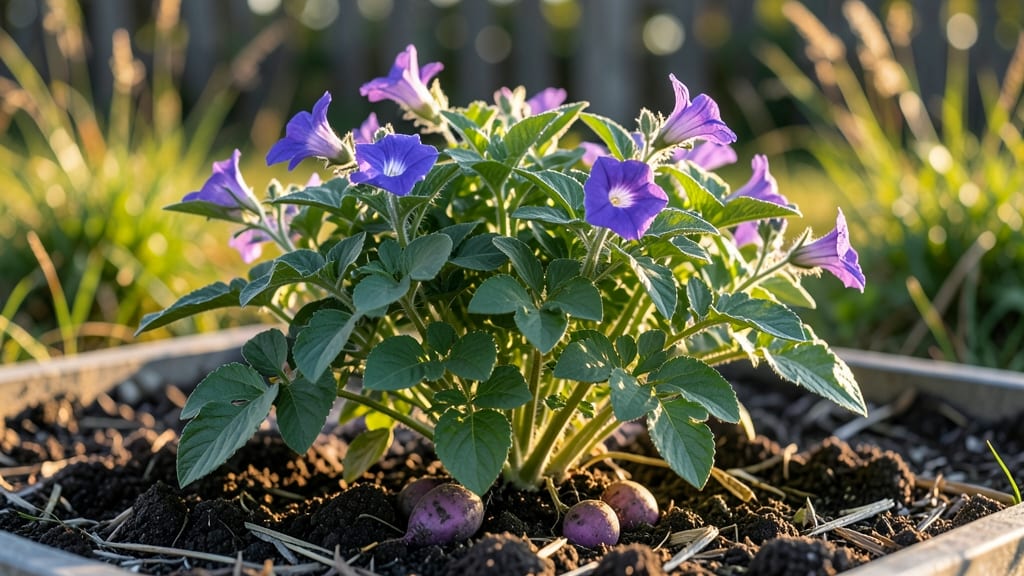
Growing Purple Viking seed potatoes gives you a stunning harvest that's as nutritious as it is beautiful. 🌱 These cold-hardy tubers produce deep purple flesh and skin that turns every dish into a showstopper, while their disease resistance makes them perfect for beginners or challenging climates.
The secret to their success starts with soil—amend with compost to create loose, well-draining beds where tubers can swell freely. Plant your seed potatoes 4 inches deep and 12 inches apart in rows spaced 3 feet apart to allow airflow and easy harvesting.
They thrive in full sun (6-8 hours daily) and tolerate cooler temperatures better than most varieties, making them ideal for early spring or late fall planting in zones 2-8.
Keep the soil consistently moist but never soggy—water deeply once a week unless rain provides it—then watch as vines emerge and grow into lush, 3-foot-tall plants by midsummer.
The real magic happens underground: when foliage yellows and dies back, you'll find vibrant purple tubers hiding beneath the soil, ready to harvest with a fork or by hand.
For zero-waste gardening, save your best tubers for next season—cut them into 2-ounce pieces with at least one "eye" each, let them cure in a dark place for a week, and replant.
These potatoes store exceptionally well, too, keeping their color and flavor for months in a cool, dark spot. Here's how to make the most of every harvest!
📚 In This Guide
- What you need
- Instructions
- Tips and common mistakes
- Wrapping up and next steps
What you need
- ● Purple Viking seed potatoes: 5–10 lbs (or ~10–15 certified disease-free tubers, depending on your harvest goals). Look for organic or heirloom varieties for the best flavor and cold resistance.
- ● Garden soil: Well-draining, loose soil with a pH of 5.0–6.5. Amend with compost if your soil is heavy or clay-like.
- ● Fertilizer: Balanced 10-10-10 or 5-10-10 fertilizer (for planting).
- ○ Optional: Potassium-rich fertilizer (like 0-0-50) when tubers form to boost cold hardiness.
- ● Mulch: Straw, grass clippings, or leaves (3–4 inches) to insulate plants and retain moisture.
- ● Garden tools: Trowel or hand fork for planting.
- ● Hoe for weeding.
- ○ Containers (optional for small spaces): 5–10 gallon pots with drainage holes, filled with potato-growing mix (or 60% compost + 40% potting soil).
- ● Chitting tray: To pre-sprout potatoes indoors 4–6 weeks before last frost (speeds up growth!).
- ● Row covers or frost cloth: For early planting in cold climates (extends growing season!).
- ● Plant markers: To label rows and track varieties.
- ● Compost tea or seaweed extract: Boosts soil health and cold resistance.
- ● Potato cage or wire mesh: Prevents greening (toxic solanine) if growing in full sun.
Step-by-Step guide to growing purple Viking seed potatoes
Here's how I grow these cold-hardy beauties—from seed to harvest—without wasting a single potato.
🌱 Step 1: Chit Your Seed Potatoes Before Planting
Place your Purple Viking seed potatoes in a cool, bright spot (around 45-50°F) for 4-6 weeks before planting. You'll see small sprouts (called "chits") emerge from the eyes—this jumpstarts growth so plants mature faster in cold climates. I use an egg carton to elevate them slightly and improve air circulation.
Check weekly for rot—remove any potatoes that soften or develop mold. The chits should be ½ inch long by planting time. If your climate stays cool, you can plant these chitted potatoes as early as 2-3 weeks before last frost.
🪴 Step 2: Prepare Beds and Plant in Rows
Choose a sunny spot with 6+ hours of direct sunlight and well-draining soil. Purple Vikings tolerate cold but need fertile ground—mix in 2 inches of compost per planting area. Create trenches 4-6 inches deep, spacing them 3 feet apart to allow for hilling later.
Place each chitted potato with the sprouts facing up, spacing them 12 inches apart in rows. Cover lightly with soil—just enough to bury the chits. Water gently to settle the soil without displacing the potatoes.
☀️ Step 3: Hill and Maintain Through Growth
When plants reach 6 inches tall, mound soil around the stems to half their height. Repeat this process every 2-3 weeks until the hill reaches 12 inches high. Hilling protects tubers from light exposure (which turns them green and bitter) and insulates against frost.
Water deeply once a week unless rain provides 1 inch of moisture. Purple Vikings are drought-tolerant but produce best with consistent moisture. Stop watering 2 weeks before harvest to improve skin set.
⏰ Step 4: Harvest and Store for Zero-Waste Use
Dig carefully when foliage yellows and dies back, typically 90-120 days after planting. Use a fork to loosen soil around the hills, then gently lift potatoes to avoid bruising. Brush off excess dirt but don't wash—moisture encourages rot during storage.
Cure potatoes in a dark, dry place at 50-55°F for 1-2 weeks to thicken skins. Store in a cool (35-40°F), humid (85-90% humidity) environment, like a root cellar. Check monthly and remove any sprouting potatoes for immediate use.
🌿 Step 5: Save Seed Potatoes for Next Year
Select the largest, healthiest potatoes for next season's planting. Allow them to sprout indoors again in 4-6 weeks before replanting. The remaining potatoes can be used for cooking—purple varieties add stunning color to roasts and mashed potatoes.
Here's the thing—these potatoes store for months, so you'll always have a backup supply. I keep a few in the pantry for unexpected guests, and the rest go into the garden for next year's crop.
Tips & tricks for perfect purple Viking seed potatoes
Took me a while to figure these out, so here goes—these tricks will help you grow the most vibrant, cold-resistant Purple Viking potatoes with minimal fuss.
Chitting Check: In Step 1, when checking for rot weekly, look for soft spots that give slightly when pressed—they're the first signs of spoilage. Healthy chits should be firm with no dark, mushy areas. I've found that placing potatoes on a wire rack in a cardboard box (with holes for airflow) speeds up chitting while preventing rot better than egg cartons.
Soil Prep Secret: For Step 2, if your soil tests low in organic matter, mix in an extra 1 inch of compost and a handful of well-rotted manure per planting area. Purple Vikings thrive in slightly acidic soil (pH 5.0-6.0), so test your soil and amend with sulfur if needed. The 3-foot row spacing isn't just for hilling—it allows for proper air circulation, which is crucial for preventing blight in cold climates.
Hilling Technique: When you reach Step 3 and mound soil to half the plant's height, use a hoe to create gentle slopes rather than steep mounds. This prevents soil from sliding back down during watering. I've noticed that plants hilled this way produce potatoes with fewer bruises when harvested. The 12-inch final height creates the perfect balance between tuber protection and frost insulation.
Harvest Timing: In Step 4, don't wait until all foliage is completely dead—dig when about 75% has yellowed and died back. This gives you slightly smaller but more flavorful potatoes. I've found that harvesting at this stage also reduces the risk of tubers breaking open during lifting, especially in heavy clay soils.
Pro Tips for Purple Viking Seed Potatoes
- Took me a while to figure these out, so here goes—these tricks will help you grow the most vibrant, cold-resistant Purple Viking potatoes with minimal fuss.
- Chitting Check: In Step 1, when checking for rot weekly, look for soft spots that give slightly when pressed—they're the first signs of spoilage.
- Soil Prep Secret: For Step 2, if your soil tests low in organic matter, mix in an extra 1 inch of compost and a handful of well-rotted manure per planting area.
Frequently asked questions
Got questions about growing purple Viking seed potatoes? You’re not alone! Here are some of the most common queries—plus straightforward answers to help you cultivate a thriving, zero-waste harvest.
How cold can purple Viking potatoes tolerate?
These hardy spuds are cold-resistant and can survive light frosts down to 25°F (-4°C) once established. Plant them as soon as soil is workable (around 4–6 weeks before last frost) for an early harvest. Early planting also helps them outpace pests and diseases!
When should I harvest purple Viking potatoes?
For new potatoes, dig gently when plants flower (about 2–3 weeks after blooming). For full-sized tubers, wait until foliage yellows (usually 90–120 days after planting). Pro tip: Harvest in dry weather to avoid muddy tubers. Store in a cool, dark place (like a basement) for up to 2–3 months.
Can I grow purple Viking potatoes in containers?
These potatoes thrive in 5-gallon containers or deeper (at least 12 inches deep) with well-draining soil. Use a balanced fertilizer (like 10-10-10) and hill soil as vines grow. Just ensure containers have drainage holes to prevent rot. Bonus: Containers make them ideal for patios or small spaces!
What pests or diseases should I watch for?
Purple Vikings are resistant to many common issues, but keep an eye out for:
- Colorado potato beetles: Handpick eggs or use row covers early.
- Blight: Space plants for airflow and avoid overhead watering.
- Wireworms: Rotate crops if you’ve had issues in the past.
If leaves yellow or wilt, check for fungal diseases—remove affected plants and improve drainage.
What’s the best way to use leftover purple Viking potatoes?
Zero-waste wins! Try these ideas:
- Roast or mash: Their nutty, earthy flavor shines in savory dishes.
- Potato chips: Slice thinly, bake at 300°F (150°C) with olive oil and salt.
- Compost: If sprouted or soft, chop and compost (avoid diseased tubers).
- Regrow: Sprout in water, then replant cuttings for new plants!
Fun fact: Purple potatoes contain anthocyanins—antioxidants that give them their color and boost nutrition!
Wrapping up and next steps
Growing Purple Viking seed potatoes is a rewarding way to embrace sustainability, resilience, and flavor in your garden! 🌱 Their cold-hardy nature and vibrant purple hue make them a standout choice for eco-conscious gardeners—plus, they’re packed with nutrients to boot.
Whether you’re a seasoned gardener or just starting out, these potatoes prove that zero-waste gardening is both simple and delicious.
Ready to take the next step? Start small—plant a few tubers this season and watch your harvest thrive. Share your success with fellow gardeners or experiment with creative recipes featuring your homegrown bounty. Happy growing! 🌟