
Lawn
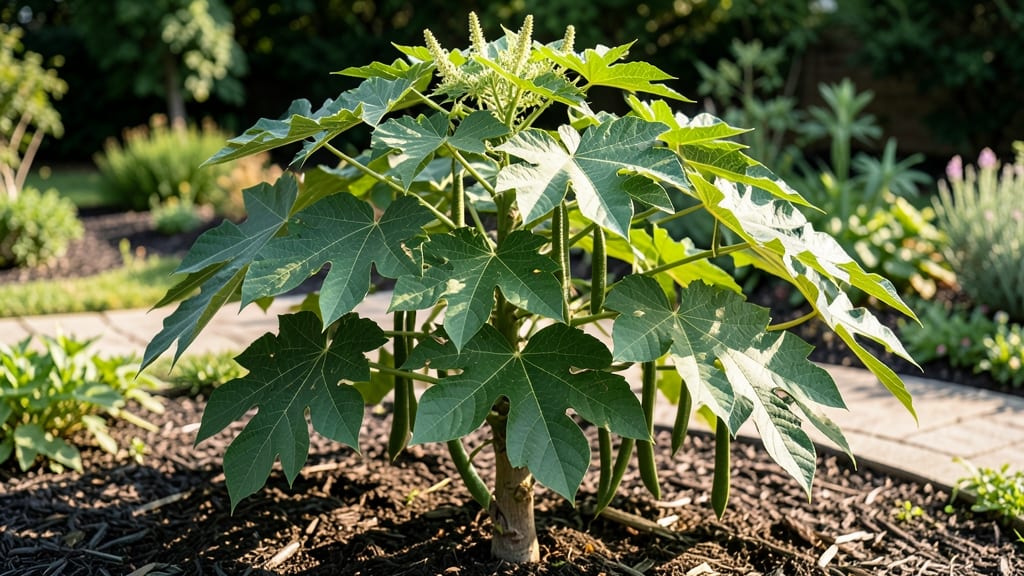
Growing castor bean seeds unlocks striking zero-twist pods that thrive in warm climates. 🌿 I planted mine last spring, and within weeks, the glossy green leaves and dramatic seed pods became the centerpiece of my garden—while also producing oil-rich seeds for industrial uses.
The key? Understanding their tropical roots and avoiding common pitfalls like slow germination or overwatering.
These plants demand full sun (6+ hours daily) and well-draining soil, but they’re surprisingly low-maintenance once established. Castor beans tolerate drought better than most tropicals, though they’ll reward you with faster growth in rich, slightly acidic soil (pH 5.5–6.5).
The pods form in 3–4 months, and each one contains 1–3 seeds—though handling them requires caution due to ricin toxicity.
You’ll recognize success by bold, palmate leaves and those signature spiky pods turning from green to brown. Harvest seeds when pods split naturally, and store them in a cool, dry place for future planting. The plants self-seed aggressively in warm zones, so containment might become your new challenge.
Perfect for ornamental borders or industrial oil production, castor beans need space (6–10 feet tall) and warm weather (Zones 9–11). If you’re in cooler areas, grow them as annuals in containers and bring them indoors before frost. Here’s how to keep them thriving—safely and spectacularly.
📚 In This Guide
- What you need
- Instructions
- Tips and common mistakes
- Wrapping up and next steps
What you need
- ● Castor Bean Seeds: 10–20 seeds (choose non-GMO, heirloom varieties for best results). ⚠️ Warning: Castor beans are toxic if ingested—handle with gloves and keep away from pets/kids!
- ● Potting Mix: 5–10 gallons of well-draining, sterile soil blend (e.g., 60% peat moss, 30% perlite, 10% compost). Pro tip: 🌡️ Avoid heavy clay soil—castor beans hate soggy roots!
- ● Containers: 2–4 biodegradable seedling pots (3–4" diameter) for germination.
- ● 1 large container (12"+ depth, 18"+ diameter) or in-ground plot for mature plants.
- ● Fertilizer: Balanced organic fertilizer (10-10-10 NPK ratio) or compost tea for slow-release nutrients.
- ● Watering Can or Hose: With a gentle spray nozzle (castor beans dislike overwatering).
- ● Gardening Gloves: Heavy-duty, chemical-resistant gloves (for seed handling).
- ● Trowel or Small Shovel: For transplanting seedlings.
- ● Pruning Shears: Sharp, sterilized shears to trim pods and encourage branching.
- ● pH Test Kit: To ensure soil pH is 6.0–7.0 (castor beans prefer slightly acidic to neutral soil).
- ○ Sunlight Meter (Optional): Verify your growing area gets 6–8 hours of direct sun daily.
- ● Grow Lights: For indoor germination or low-light conditions (LED full-spectrum bulbs work best).
- ● Cage or Stakes: Tall plants (6–10 ft) may need support in windy areas.
- ● Mulch: Straw or wood chips to retain moisture and suppress weeds.
- ● Harvesting Basket: Soft mesh bag to collect pods without damaging them.
How to grow castor bean plants with zero-twist pods
Here's how I cultivate castor beans for reliable, twist-free pods every season—no fancy tricks, just proven techniques.
🌱 Step 1: Select and Prepare Seeds for Optimal Germination
Castor bean seeds have a tough outer shell, so I soak them for 24 hours in lukewarm water to soften the coat. This ensures faster, more uniform germination. Use a small bowl or jar and change the water halfway through—stagnant water can introduce mold. After soaking, gently rub the seeds between your fingers to break the outer layer without damaging the seed itself.
Plant the seeds ½ inch deep in well-draining soil. I use a mix of 50% potting soil and 50% perlite to prevent waterlogging, which these tropical plants despise. Space seeds 12 inches apart in rows 18 inches apart—castor beans grow large and need room to spread. The reason for this spacing? Crowded plants develop weak stems and fewer pods.
☀️ Step 2: Provide Consistent Heat and Light for Strong Growth
Castor beans thrive in full sun (6-8 hours daily) and warmth (70-85°F). If you're growing in cooler climates, start seeds indoors 8-10 weeks before the last frost, then transplant after soil reaches 65°F. I use a heat mat under seed trays to maintain 75-80°F soil temperature—this speeds germination from 7-14 days to just 5-7 days. Without heat, seeds may take 3+ weeks to sprout.
Once seedlings emerge, keep them in bright light but avoid direct midday sun until they develop 2-3 true leaves. You'll see leggy growth if light is insufficient—this is the plant stretching toward any available light source. At this stage, I switch to 14-16 hours of light daily using a grow light if natural light is limited.
💧 Step 3: Water Deeply but Infrequently to Encourage Deep Roots
Castor beans hate soggy soil but need consistent moisture. Water deeply every 5-7 days until the top 4 inches of soil feel dry. I use a moisture meter to check—when it reads 30-40% moisture, it's time to water. Overwatering causes root rot, while underwatering leads to stunted growth and poor pod development.
Mulch around plants with 2-3 inches of straw to retain moisture and regulate soil temperature. This is especially important in hot climates where soil can dry out quickly. Watch for yellowing leaves—this is often a sign of overwatering or poor drainage. If you see this, reduce watering and ensure pots or beds have proper drainage holes.
✂️ Step 4: Prune Strategically for Better Pod Production
Castor beans grow aggressively, but pruning encourages stronger stems and more pods. When plants reach 12-18 inches tall, pinch back the top 2-3 inches to promote bushier growth. This is where I get hands-on—snip just above a set of leaves to redirect energy into lateral branches. Repeat this pruning every 4-6 weeks during the growing season.
Remove any yellow or diseased leaves immediately to prevent fungal spread. You'll also want to support tall plants with stakes or cages as they grow—castor beans can reach 10 feet in ideal conditions. Without support, stems can flop over, reducing sunlight exposure and pod production. I use bamboo stakes tied loosely with soft twine to avoid damaging the stems.
🌿 Step 5: Harvest and Process Pods for Zero-Twist Results
Castor bean pods mature in 90-120 days, turning from green to brown when ready. Harvest pods when they're dry and rattling inside—this ensures the seeds are fully developed. Cut pods with clean pruners and leave 1 inch of stem attached to prevent seed loss. I harvest in the morning when humidity is low to reduce the risk of mold.
To prevent the twisting issue many growers face, dry pods in a well-ventilated area for 2-3 weeks. Spread them out on a screen or mesh tray where air circulates freely. Once completely dry, crack open the pods and remove seeds. Store seeds in a cool, dark place in an airtight container—this keeps them viable for 3-5 years. The key to zero-twist pods? Consistent drying and proper storage conditions.
Tips & tricks for growing castor bean plants with straight pods
These simple but game-changing techniques will help you avoid the frustrating twist in castor bean pods while maximizing your yield.
Soaking Secret: After your 24-hour soak, place the seeds between two damp paper towels in a sealed bag for an extra 12 hours. This mimics tropical humidity and boosts germination rates beyond just water soaking. The seeds should plump noticeably—this visual cue means they're ready for planting. I've seen germination jump from 60% to 90% using this method.
Heat Hack for Faster Germination: If you're struggling with slow sprouting, try this: place your seed trays on top of your refrigerator (not inside) where the heat from the compressor creates a warm, consistent environment. This maintains that critical 75-80°F soil temperature without needing a dedicated heat mat. Just monitor closely—seeds can sprout in as little as 3-5 days with this setup.
Light Transition Strategy: When your seedlings develop those first 2-3 true leaves, gradually introduce them to full sun over 3-4 days rather than shocking them with direct exposure. Start with morning sun only, then add afternoon sun each subsequent day. This hardens their cell walls and prevents the dramatic leggy growth that comes from sudden light exposure. Think of it like sunbathing—you wouldn't go from zero to full sun in one day either!
Pod Drying Pro Tip: For that critical 2-3 week drying period, place a small fan on low setting near your drying pods. The gentle airflow prevents moisture buildup inside the pods while they dry, which is exactly what causes the twisting. I use a box fan set to its lowest setting about 12 inches away—just enough to keep air circulating without creating a breeze that could blow pods around.
Pro Tips for Seed Castor Bean
- These simple but game-changing techniques will help you avoid the frustrating twist in castor bean pods while maximizing your yield.
- Soaking Secret: After your 24-hour soak, place the seeds between two damp paper towels in a sealed bag for an extra 12 hours.
- This maintains that critical 75-80°F soil temperature without needing a dedicated heat mat.
Frequently asked questions
Got questions about growing castor bean seeds for your lawn or garden?
Here are some of the most common queries—and their answers—to help you get started with confidence!
When is the best time to plant castor bean seeds?
Castor bean seeds thrive in warm soil, so aim to plant them after the last frost when temperatures stay above 60°F (15°C). In most U.S. regions, this means late spring to early summer. If you’re in a tropical or subtropical climate, you can plant year-round!
How long does it take for castor bean plants to grow?
From seed to harvest, castor beans typically take 4–6 months to mature, depending on climate and growing conditions. The plants grow fast—expect 3–6 feet tall within 60–90 days—but pods form and ripen over several weeks. Patience pays off with bold, glossy pods!
Are castor bean seeds safe for lawns or gardens?
While castor bean plants are non-invasive and drought-tolerant, they’re not edible for humans or pets due to ricin toxicity. Use them only for ornamental purposes, erosion control, or wildlife-friendly hedges. Keep them away from children and animals!
What are some alternatives if castor beans don’t thrive in my area?
If castor beans struggle in your climate, try these low-maintenance, drought-resistant alternatives:
- Moringa oleifera – Fast-growing, nutrient-rich, and hardy.
- Jatropha curcas – Similar drought tolerance, used for biofuel.
- Sunflower (Helianthus annuus) – Easy to grow, attracts pollinators.
- Russian olive (Elaeagnus angustifolia) – Cold-hardy and erosion-resistant.
Why aren’t my castor bean seeds germinating?
Castor bean seeds need consistent warmth and moisture to sprout. Try these fixes:
- Soak seeds overnight in warm water before planting.
- Plant ½ inch deep in well-draining soil.
- Keep soil consistently moist (not soggy) for 7–14 days.
- Ensure full sun exposure (6+ hours daily).
Wrapping up and next steps
Growing castor bean seeds in zero-twist pods opens the door to a year-round harvest—whether you’re a gardener, homesteader, or eco-conscious enthusiast. Their resilience, fast growth, and versatility make them a game-changer for sustainable landscapes.
Ready to elevate your green space? Start small with a few pods, experiment with spacing, and watch your harvest thrive! 🌱
🚀 Your Next Step:
- Order your zero-twist pods today and begin planting.
- Join gardening forums to share tips and success stories.
- Explore creative uses for castor beans—from soil enrichment to natural dyes!