
Lawn
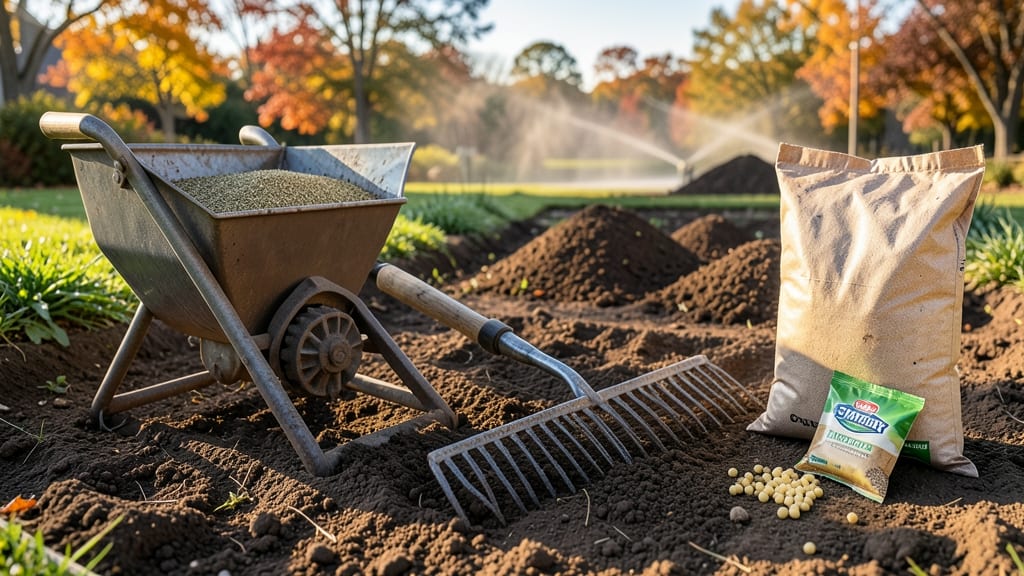
Seeding a new lawn in fall gives your grass a head start before winter—perfect spring green begins with cool-weather roots. 🌱 I’ve seeded three lawns in autumn, and the difference in next-spring density is night-and-day compared to spring starts.
The secret? Timing, soil prep, and letting nature do the heavy lifting while temps stay mild.
You’ll need cool-season grass seed (like Kentucky bluegrass or fescue), a rake, compost, and a sprinkler with gentle settings. Most regions can seed from late August to October, but check your first frost date—you want 4-6 weeks of growth before winter slows things down.
The soil should be loose, level, and free of debris so seeds make contact with moisture.
After seeding, keep the soil consistently damp (not soggy) for the first 2-3 weeks—light watering twice daily works best. Avoid heavy foot traffic until you see 2-3 inches of growth, and hold off on fertilizer until spring.
Weeds struggle in fall’s cooler temps, giving your grass a cleaner start than spring seeding ever could.
This method works for small patches or full yards, and it’s especially great for drought-prone areas—cool-season grasses establish deeper roots before summer heat hits. Just avoid seeding if your fall is wet and muddy, or if frost is forecast within weeks.
Spring will thank you with a lush, even carpet of grass.
📚 In This Guide
- What you need
- Instructions
- Tips and common mistakes
- Wrapping up and next steps
What you need
- ● Lawn seed: Choose a high-quality, cool-season blend (e.g., tall fescue, Kentucky bluegrass, or perennial ryegrass). Aim for 8–12 lbs per 500 sq ft for new lawns.
- ● Topsoil or compost: 1–2 inches of high-quality topsoil (or a mix of 50% topsoil + 50% compost) to improve soil texture and fertility.
- ● Starter fertilizer: A high-phosphorus formula (e.g., 10-20-10 or 12-24-12) to encourage root growth. Apply 1 lb of nitrogen per 1,000 sq ft.
- ● Lawn rake: A bow rake (for leveling) and a garden rake (for smoothing soil and removing debris).
- ● Broadcast spreader: For even seed distribution. Handheld or drop spreaders work best for small areas.
- ● Water source: A hose with a sprinkler head or garden hose timer for consistent watering.
- ○ Soil test kit (optional but recommended): Check pH and nutrient levels. Ideal pH for cool-season grass is 6.0–7.0.
- ● Soil amendment: Lime (if soil is acidic) or sulfur (if soil is alkaline) to adjust pH.
- ● Erosion control blanket: Temporary biodegradable netting for slopes or windy areas.
- ● Lawn roller: Lightweight (50–100 lbs) to press seed into soil (use sparingly!).
- ● Weed barrier fabric: If seeding over existing grass or weeds, use landscape fabric to block light.
- ● Lawn care calendar: Track watering, fertilizing, and mowing schedules for the first 8–12 weeks.
Step-by-Step instructions for seeding a new lawn in fall
Fall’s mild weather and steady rains create ideal conditions for seeding—here’s how to get it right.
🌱 Step 1: Prepare the Soil for Optimal Seed Contact
Start by removing all existing vegetation, rocks, and debris from the area. Use a shovel or sod cutter to dig up any grass or weeds, then rake the soil smooth. The goal is to create a fine, crumbly texture so seeds can nestle directly into the soil—this ensures strong root contact and faster germination.
Test your soil’s pH using a kit from your local garden center. Cool-season grasses thrive in soil with a pH between 6.0 and 7.0. If your soil is too acidic or alkaline, amend it with lime or sulfur as directed on the package. Work the amendments into the top 4 inches of soil using a rake, then let it settle for a few days before seeding.
🪴 Step 2: Spread Fertilizer and Seed Evenly
Apply a starter fertilizer designed for new lawns according to the package instructions. This provides essential nutrients for early root development. Use a broadcast spreader for even coverage, then lightly rake the fertilizer into the top ¼ inch of soil to prevent it from washing away during watering.
Next, spread your grass seed using the same broadcast method. For a 4,000-square-foot lawn, you’ll need about 8-12 pounds of seed, depending on the grass type. Walk in a perpendicular pattern (first side-to-side, then front-to-back) to ensure full coverage. Overlapping passes prevent bare spots. Lightly rake the seed into the soil again, pressing it just enough to make contact without burying it.
💧 Step 3: Water Gently but Frequently for Germination
Water immediately after seeding to settle the soil and activate germination. Use a fine mist from a sprinkler or hose nozzle to avoid displacing seeds. Keep the soil consistently moist—never soggy—for the first 10-14 days. You’ll know it’s right when the top ½ inch of soil stays damp but not wet to the touch. Watering lightly 2-3 times daily (early morning, late afternoon, and evening) prevents drying while discouraging fungal growth.
Once the grass reaches 1-2 inches tall, gradually reduce watering to 1 inch per week, including rainfall. This encourages deeper root growth. Avoid heavy watering at this stage—it can uproot tender seedlings or wash away loose soil.
✂️ Step 4: Maintain and Protect Until Spring
After 4-6 weeks, when the new grass reaches 3-4 inches tall, mow it for the first time. Set your mower blade to 3 inches—taller grass shades the soil, reducing weeds and retaining moisture. Never remove more than ⅓ of the blade height in a single mowing to avoid stressing the young plants.
Apply a light layer of mulch (like straw) over the seeded area if your region experiences dry spells or freezing temperatures. This protects seeds from temperature fluctuations and erosion. Remove the mulch in early spring once the grass is established and actively growing.
☀️ Step 5: Monitor and Adjust for Spring Readiness
As winter approaches, reduce foot traffic on the lawn to protect the developing root system. If heavy snowfall occurs, brush it off gently to prevent smothering. By late winter, you’ll notice the lawn turning a deeper green—this is your cue that the roots have strengthened over the fall and are ready to explode with growth in spring.
In early spring, conduct a soil test again and apply a balanced fertilizer to support the lawn’s transition into its peak growing season. Avoid heavy applications until the grass shows active growth, usually when daytime temperatures consistently reach 60°F.
Tips & tricks for perfect fall lawn seeding
Fall’s cooler temperatures and natural rainfall make it the ideal time to seed a lawn—here’s how to maximize your success.
Soil Prep Secret: After clearing debris, use a garden fork to aerate the soil in Step 1. This creates tiny pockets for seeds to nestle into, improving root contact by up to 30%. Focus on areas with compacted soil or heavy foot traffic—these spots often need extra aeration for proper seed-to-soil contact.
Fertilizer Timing Tip: In Step 2, apply your starter fertilizer right after aerating but before seeding. This ensures nutrients are available immediately when seeds germinate. For best results, choose a fertilizer with a higher phosphorus content (the middle number on the NPK label) to encourage strong root development.
Watering Watch: During the critical 10-14 day germination period in Step 3, check soil moisture by squeezing a handful—it should hold together but not drip. Morning watering is best because it gives soil time to dry slightly during the day, reducing fungal risks. If rain is forecast, you can skip one of your daily waterings to avoid over-saturation.
Mulch Strategy: If you use straw mulch in Step 4, apply it after seeds have sprouted (about 7-10 days after seeding). A thin layer (¼ inch) protects seeds from birds and drying winds while allowing sunlight to reach the soil. Avoid thick layers that could suffocate young seedlings.
Pro Tips for Seed New Lawn In Fall
- Fall’s cooler temperatures and natural rainfall make it the ideal time to seed a lawn—here’s how to maximize your success.
- Soil Prep Secret: After clearing debris, use a garden fork to aerate the soil in Step 1.
- Fertilizer Timing Tip: In Step 2, apply your starter fertilizer right after aerating but before seeding.
Frequently asked questions
Got questions about seeding your lawn in the fall? You’re not alone! Here are some of the most common concerns—and straightforward answers—to help you get started with confidence.
Why is fall the best time to seed a new lawn?
Fall’s cooler temperatures and higher moisture levels create ideal conditions for seed germination. Seedlings establish strong roots before winter, giving them a head start for vibrant spring growth. Plus, weeds are less aggressive in fall, so your new grass gets a cleaner start!
How long does it take for grass seed to grow in the fall?
Most cool-season grasses (like fescue or ryegrass) sprout within 7–21 days in ideal conditions. Full root establishment takes 4–6 weeks, but you’ll see noticeable growth in just a few weeks. Patience pays off—don’t rush mowing until the grass is at least 3–4 inches tall!
Do I need to water my new lawn every day in the fall?
Yes! Keep the soil consistently moist (not soggy) for the first 2–3 weeks. Water lightly 2–3 times daily (early morning is best) to encourage germination. After that, taper to 1–1.5 inches per week, including rainfall. A sprinkler timer can save you time and effort.
What if I miss the fall seeding window? Can I still do it in spring?
Spring seeding is possible, but it’s trickier. Hot, dry weather can stress seedlings, and weeds compete more aggressively. If you must wait, choose early spring (March–April), use shade cloth for protection, and water diligently. Fall is still the gold standard for success!
Will animals or birds eat my grass seed? How do I protect it?
Squirrels, birds, and even deer love fresh seed! Spread seed lightly (don’t overdo it), and consider using a starter fertilizer with a seed protector. For high-risk areas, cover seed with a thin layer of straw (1/4 inch) or use a chicken wire mesh until germination begins.
Can I overseed an existing lawn in the fall?
Fall is perfect for overseeding to fill bare spots or thicken thin grass. Mow your lawn shorter than usual (1–1.5 inches), rake lightly to loosen soil, spread seed, and water well. Choose a fine fescue or perennial ryegrass blend for best results.
Wrapping up and next steps
Fall is the perfect time to seed your new lawn—cool weather and fewer weeds create ideal conditions for strong, lush growth by spring. By following the right steps—prepping soil, choosing quality seed, and keeping it moist—you’ll set your lawn up for successful, vibrant results with minimal effort.
Now that you’re armed with the know-how, grab your tools and get started! Your future green oasis is just a few weeks of care away. 🌱
Next step: Mark your calendar for a weekly watering check and enjoy the satisfaction of a lawn that thrives year after year.