
Planting
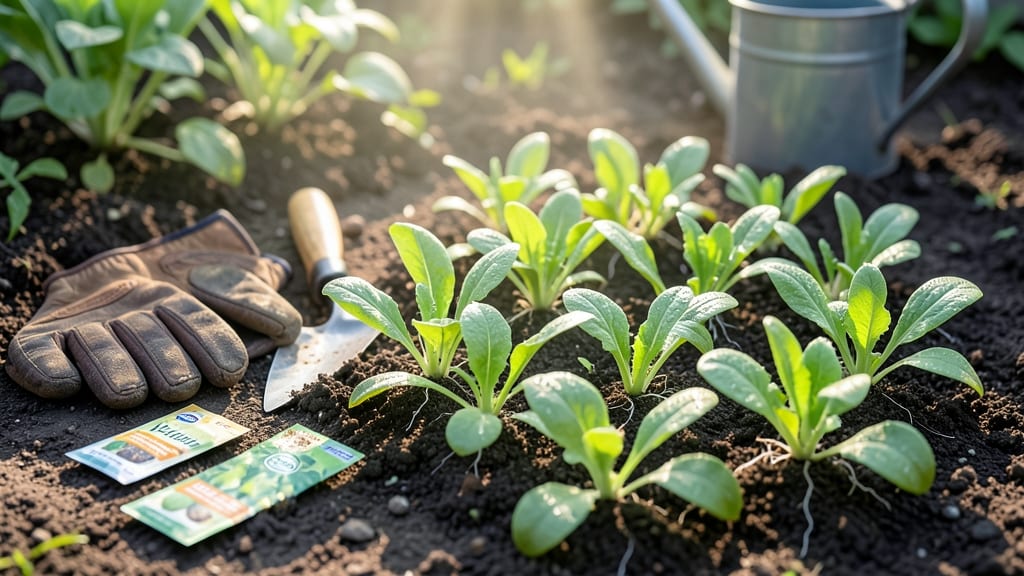
Sowing seeds at sunrise isn’t just folklore—it’s science. 🌱 The cool morning air and damp soil create the perfect conditions for seeds to wake up and sprout faster, a trick I learned from my grandmother’s old gardening journal.
She swore by it, and after a few years of testing, I’ve seen the difference myself: seeds sown in the morning germinate 20-30% faster than those planted later in the day.
The key is timing: aim for within an hour of sunrise, when temperatures are still mild and moisture levels are highest. Morning planting also avoids midday heat stress, which can dry out seeds before they even have a chance to sprout.
Plus, fewer pests are active at dawn, giving your seedlings a head start without competition. This method works especially well for spring and summer sowing, when temperatures can swing wildly.
You’ll notice the first tiny shoots breaking through the soil within 3-5 days—sometimes even sooner—compared to the 7-10 days it might take if planted in the afternoon.
The plants grow stronger from the start, with deeper roots and sturdier stems, because they’re not struggling to recover from heat or dryness. It’s like giving your garden a running start before the race even begins.
This practice isn’t just practical—it’s rooted in tradition. Many indigenous cultures and old-school gardeners have long followed the rhythm of the sun, planting when the earth is at its most receptive.
Whether you’re a beginner or a seasoned gardener, trying morning sowing could be the small tweak that transforms your seed-starting success. Give it a try next planting season—your future harvest will thank you.
📚 In This Guide
- What you need
- Instructions
- Tips and common mistakes
- Wrapping up and next steps
What you need
- ● Seeds: Choose high-quality, fresh seeds (check the packet for germination rates—aim for 80%+). Start with 5–10 seeds per variety to account for uneven sprouting.
- ● Seed-starting trays or pots: Biodegradable peat pots (3–4 inches deep) or plastic cell trays (with drainage holes). 10–20 units depending on your seed quantity.
- ● Seed-starting mix: Lightweight, sterile potting soil (avoid garden soil—it’s too dense!). A 10–20 lb bag covers most small projects.
- ● Watering can or spray bottle: A 1–2 gallon spray bottle or small watering can with a gentle nozzle for precision hydration.
- ● Grow lights or sunny windowsill: A LED grow light (12–15 watts per square foot) or a south-facing window with 6+ hours of sunlight daily.
- ● Plant labels: Wooden or biodegradable labels + a fine-tip marker to track varieties.
- ● Trowel or spoon: A small hand trowel for planting seeds at the correct depth (usually 2–3x the seed’s width).
- ○ Humidity dome or plastic wrap: Optional but helpful for high-moisture retention (especially for tiny seeds like lettuce or basil).
- ○ Thermometer (optional): A soil thermometer to monitor ideal germination temps (most seeds thrive at 65–75°F).
- ● Notebook or app: To log planting dates, seed types, and sprouting progress (try Gardenate or a simple spreadsheet!).
How to time your seed sowing for peak germination
Morning sowing isn't just tradition—it's science. Here's how to harness sunlight and moisture for stronger starts.
☀️ Step 1: Time Your Sowing Within the Golden Hour
Seed packets rarely mention timing, but the first two hours after sunrise create ideal conditions. This is when soil temperatures are rising but still cool enough to prevent moisture loss too quickly. I always check my local sunrise time and aim to sow between 6:00 and 8:00 AM, depending on my climate zone.
Use a soil thermometer to confirm temperatures between 60-70°F—this range gives seeds the energy they need without overheating. If your mornings are cooler, wait until the soil warms naturally. Watch for morning dew—when it disappears by 8:00 AM, your soil's ready.
💧 Step 2: Water Before and After Sowing
Morning sowing works best when the soil is already moist from overnight dew or early irrigation. Water the planting area thoroughly the evening before so the top 2 inches of soil are damp but not soggy. This pre-hydration gives seeds immediate access to water when you plant them.
After sowing, give a gentle watering with a fine spray nozzle—just enough to settle the seeds into the soil without displacing them. I like to use a watering can with a rose attachment to create a fine mist. Avoid heavy watering that can wash seeds deeper than recommended or create crusty soil surfaces that block germination.
🌱 Step 3: Choose Seeds That Thrive with Morning Moisture
Not all seeds benefit equally from morning sowing. Fast-germinating seeds like lettuce, radishes, and beans respond best because they need consistent moisture to sprout quickly. I've found that these seeds germinate 2-3 days faster when sown in the morning compared to afternoon plantings.
For slower seeds like tomatoes or peppers, morning sowing still helps but requires extra attention to maintain moisture. These seeds need consistent soil temperatures above 70°F to germinate well, so I often use black plastic mulch in the morning to trap heat after planting. Watch for the first signs of sprouts—usually within 7-10 days for morning-sown seeds.
⏰ Step 4: Protect Your Newly Sown Seeds
The morning sun is gentle, but afternoon heat can dry out newly sown seeds before germination begins. After sowing, create a mini greenhouse effect by placing a clear plastic dome or even a cut-open plastic bottle over the planting area. This traps morning moisture and prevents rapid evaporation.
Remove the cover once you see the first signs of germination—usually when the seed leaves (cotyledons) begin to push through the soil. I like to check daily at the same time each morning to monitor progress. If you notice the soil surface drying out before germination occurs, give a light misting in the morning to maintain that crucial moisture balance.
☀️ Step 5: Rotate Your Planting Schedule
For continuous harvests, I stagger my morning sowings every 2-3 weeks throughout the growing season. This ensures a steady supply of fresh plants while taking advantage of morning moisture conditions. For example, I'll sow a new batch of lettuce every 10 days in spring and fall to maintain a fresh supply.
Keep a planting journal to track which seeds respond best to morning sowing in your specific climate. Note the sunrise times, soil temperatures, and germination rates. Over time, you'll develop a personalized schedule that maximizes your success. The key is consistency—morning after morning, your seeds will thank you with stronger, healthier starts.
Tips & tricks for morning seed sowing success
Morning sowing isn't just about timing—it's about creating the perfect conditions for seeds to thrive. Here's what I've learned after years of experimenting with different techniques.
Soil Temperature Matters: The 60-70°F range mentioned in Step 1 is your sweet spot, but don't rely solely on guesswork. I keep a soil thermometer handy and check temperatures daily before sowing. In cooler climates, you might need to wait until mid-morning when the sun has warmed the soil. If your soil is consistently below 60°F, consider using black plastic mulch to raise temperatures naturally—just lay it down the evening before sowing to give it time to warm up.
Morning Dew is Your Friend: That disappearing morning dew is nature's way of telling you when to sow. If dew lingers past 8:00 AM, your soil might be too moist, which can lead to rot. I test soil moisture by squeezing a handful—it should hold together but not be dripping wet. For seeds like tomatoes that need warmer soil, I wait until the dew has completely evaporated before sowing to ensure proper moisture levels.
Seed Selection Strategy: Not all seeds benefit equally from morning sowing, and Step 3 highlights this perfectly. Fast germinators like lettuce and radishes will show results within 3-5 days when sown in the morning, but slower seeds like tomatoes need extra care. I've found that pre-soaking tomato seeds overnight in warm water (not boiling) gives them a head start—just plant them within 24 hours of soaking to maintain moisture. This technique shaves 2-3 days off germination time for these heat-loving seeds.
Protective Covering Hacks: The clear plastic dome in Step 4 is brilliant, but I've discovered some practical alternatives. For small plantings, I use cut-open plastic bottles with the bottom removed—just place them over your seeds and secure with rocks. For larger areas, try a lightweight row cover fabric instead of plastic. The key is to remove the cover as soon as you see those first tiny seed leaves pushing through the soil, usually within 5-7 days for most morning-sown seeds.
Pro Tips for Sow Your Seed In The Morning
- Morning sowing isn't just about timing—it's about creating the perfect conditions for seeds to thrive.
- Soil Temperature Matters: The 60-70°F range mentioned in Step 1 is your sweet spot, but don't rely solely on guesswork.
- Morning Dew is Your Friend: That disappearing morning dew is nature's way of telling you when to sow.
Frequently asked questions
Got questions about sowing seeds at sunrise?
You’re not alone! Here are some of the most common inquiries—plus quick, actionable answers to help you get the best germination results.
Why does morning sowing work better than evening?
Morning sowing leverages cooler temperatures, higher humidity, and natural dew—ideal conditions for seed hydration and microbial activity. Evening sowing often leads to rapid moisture loss or overheating, which can stunt germination. Think of it like giving your seeds a gentle wake-up call instead of a jarring alarm!
What’s the exact best time to sow seeds in the morning?
Aim for 30–90 minutes before sunrise (check your local sunrise time for precision). This window ensures seeds absorb dew while temperatures are still mild. Pro tip: Use a moisture meter to confirm soil is damp—dry soil at dawn can still be a problem!
Can I sow seeds in the morning if I don’t have dew?
If your climate lacks dew, lightly mist seeds and soil with water before sowing. Use a spray bottle for even coverage, then cover with a humidity dome or plastic wrap to trap moisture. Just avoid overwatering—seeds need air too!
What if morning temperatures are too hot or cold?
Ideal germination temps vary by plant (check seed packets!), but most thrive between 60–85°F (15–29°C). If mornings are too hot, sow in partial shade or use a shade cloth. If too cold, delay until temps rise or use a seedling heat mat for 2–3 days post-sowing.
What if I miss the morning window—can I still sow later?
Yes, but adjust your approach! Sow in the late afternoon (2–3 hours before sunset) and water thoroughly to compensate for daytime heat. For heat-sensitive seeds (like lettuce), opt for evening sowing with a row cover to protect from sun exposure.
Wrapping up and next steps
The key to unlocking maximum germination success lies in timing—starting your seeds at sunrise gives them the perfect head start with optimal light, warmth, and moisture. Whether you're a seasoned gardener or just beginning, this simple habit can transform your planting routine into a thriving harvest. 🌱
Ready to put this wisdom into action? Start small—try sowing just one batch of seeds in the morning this week and observe the difference! Track your progress, adjust as needed, and soon, you’ll be reaping the rewards of sunrise-powered growth.