
Planting
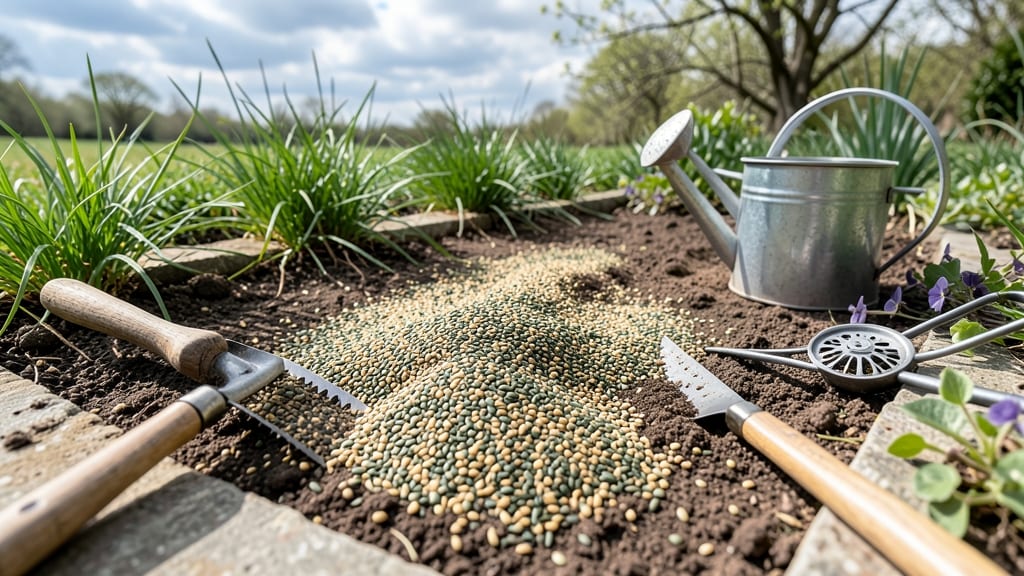
Autumn sowing lawn seed in autumn transforms bare spots into thick green carpets before winter—here’s why cooler weather works best. 🌱 The secret lies in how grass roots establish when temperatures drop but don’t freeze, giving you a head start on next spring’s growth.
I’ve seen lawns go from patchy to lush in just 6 weeks when seeded in fall, and the science backs it up: cooler air reduces weed competition while consistent moisture helps seeds germinate reliably.
You’ll need a few simple tools: a rake for leveling, a seed spreader (or even a broom for small areas), and a light layer of straw to protect new seedlings.
The right seed mix matters too—cool-season grasses like fescue or ryegrass thrive in autumn, while warm-season types like Bermuda need spring planting. Most people overlook soil prep, but loosening the top 2-3 inches and removing debris makes all the difference for even germination.
By late fall, you’ll watch those first blades push through the soil, stronger and more resilient than spring-sown grass. The roots grow deep before winter dormancy, so spring green-up happens faster. Just avoid seeding too close to frost—aim for 6-8 weeks before your first hard freeze.
With proper care, your lawn will outcompete weeds naturally, giving you that envy-worthy thick turf by summer.
This method works in temperate climates but needs adjustment for cold regions—just seed earlier in the season. The key is timing: cool enough for roots to establish, warm enough for germination. Once you’ve done it once, you’ll never go back to spring seeding again.
📚 In This Guide
- What you need
- Instructions
- Tips and common mistakes
- Wrapping up and next steps
What you need
- ● High-quality lawn seed: Choose a mix suited to your climate (e.g., cool-season grasses like Kentucky Bluegrass, Fescue, or Ryegrass). Aim for 5–10 lbs per 1,000 sq ft, depending on seed type and desired thickness.
- ● Lawn rake (bendable-tine): A 5–6 ft wide model works best for leveling soil and covering seeds. Look for durable steel tines.
- ○ Soil test kit (optional but recommended): Test your soil’s pH (ideal: 6.0–7.0) and nutrient levels. Adjust with lime or fertilizer if needed.
- ● Starter fertilizer (low-nitrogen, high-phosphorus): Use a 10–20 lb bag per 1,000 sq ft (e.g., 10-20-10 ratio) to boost root growth.
- ● Water source (hose or sprinkler): Ensure you can deliver ¼ inch of water per day for the first 2 weeks post-sowing.
- ● String & stakes (for marking): Useful for outlining areas if sowing in sections.
- ● Lawn roller (lightweight): Helps press seeds into soil for better contact (use after watering to avoid displacing seeds).
- ● Seed spreader (broadcast or drop): Saves time and ensures even distribution. A walk-behind model covers ~1,000 sq ft per pass.
- ● Erosion control blanket: Useful for sloped areas to protect seeds from wind/water runoff.
- ● Organic mulch (straw or peat moss): Apply a ¼-inch layer to retain moisture (avoid thick layers, which can smother seeds).
- ● Soil amendment (compost or sand): Mix in 1–2 inches of compost to improve soil texture if your dirt is clay-heavy or sandy.
Step-by-Step instructions for sowing lawn seed in autumn
Here's how to take advantage of fall's perfect conditions for a lush, resilient lawn.
🌱 Step 1: Prepare the Soil for Optimal Germination
Start by mowing your existing grass as short as possible—about 1 inch—to expose the soil. This helps new seeds make direct contact with the earth, which is crucial for strong root development. I like to use a rake to gently loosen the top ¼ inch of soil, breaking up any compacted areas without disturbing deeper layers.
Autumn soil is naturally cooler, so you won’t need to till deeply like in spring. Instead, focus on creating a fine, crumbly texture. If your yard has bare patches, sprinkle a thin layer of compost over those areas to add nutrients without smothering the seeds. The goal is to mimic the natural seedbed where grass thrives—loose, aerated, and free of debris.
💧 Step 2: Spread Seed Evenly for Uniform Growth
Use a broadcast spreader to distribute the seed evenly across your lawn. I always walk in opposite directions—first north to south, then east to west—to ensure no gaps or overlapping piles. A light hand is key here; over-seeding leads to wasted seed and uneven growth. For a 4,000 sq ft lawn, you’ll need about 8-10 lbs of seed, spread at a rate of 4-5 lbs per 1,000 sq ft.
After spreading, lightly rake the area again to press the seeds into the soil just enough to cover them. You want them buried no deeper than ¼ inch, as deeper planting can delay germination. If you’re seeding over existing grass, a stiff broom works well to gently tuck seeds into the turf without disturbing the roots.
☀️ Step 3: Water Gently and Consistently for Germination
The first 10-14 days are critical—keep the soil consistently moist but never soggy. Water lightly 2-3 times daily for the first week, enough to dampen the top ½ inch of soil. You’ll know you’ve got it right when the surface looks dark and slightly shiny, not glistening with excess water. Overwatering can wash seeds away or cause them to rot before sprouting.
Once seeds germinate and reach about 2 inches tall, switch to deeper waterings—1 inch per week, split into 2-3 sessions. This encourages roots to grow deeper, making your lawn more drought-resistant. Avoid walking on the new grass until it’s at least 3 inches tall to prevent damage to the delicate seedlings.
✂️ Step 4: Maintain and Protect New Growth
After the grass reaches 3-4 inches, mow it to 3 inches to encourage a dense root system. Never remove more than ⅓ of the blade height at once—this keeps the grass healthy and prevents stress. I also recommend avoiding heavy foot traffic or playing on the new lawn for at least 4-6 weeks to let the roots establish firmly.
If weeds start to pop up, hand-pull them early rather than using herbicides, which can harm the young grass. Fall is the perfect time for overseeding because cooler temperatures reduce weed competition, giving your grass the upper hand. Keep an eye out for pests like grubs or chinch bugs, but in autumn, they’re usually less active than in summer.
Tips & tricks for perfect autumn lawn sowing
Fall's cooler weather is your secret weapon for a thicker lawn—here's how to make the most of it.
Soil Prep Tip: After mowing your grass to that 1-inch height, take a moment to check for any remaining debris or weeds. I like to sweep the area with a leaf blower first—it's faster than raking and ensures a clean slate. This step is especially important in autumn when fallen leaves can smother seeds before they even sprout.
Seed Distribution Secret: When using that broadcast spreader in Step 2, walk at a steady pace and maintain a consistent distance from the lawn. I've found that stepping on the spreader's handle to mark my path helps create straight, even lines. For those tricky corners or edges, use your hand to gently spread the remaining seed—just don't overdo it, as those areas often get double-covered accidentally.
Watering Wisdom: During those critical first 10-14 days, I've learned to set a timer for my watering sessions. The goal is to keep the top ½ inch of soil moist, not soaked. A simple test is to stick your finger in the soil—if it feels dry at about an inch down, it's time to water again. Early mornings are ideal because cooler temperatures reduce evaporation, and water has time to soak in before the sun intensifies.
Maintenance Matters: When your new grass reaches that 3-4 inch height in Step 4, resist the urge to mow too short. I've seen many lawns suffer from cutting too aggressively too soon. Remember, you're establishing roots here—keeping that 3-inch height gives your grass the best chance to develop a strong foundation. Also, consider mowing in different directions each time to prevent soil compaction and encourage upright growth.
Pro Tips for Sowing Lawn Seed In Autumn
- Fall's cooler weather is your secret weapon for a thicker lawn—here's how to make the most of it.
- Soil Prep Tip: After mowing your grass to that 1-inch height, take a moment to check for any remaining debris or weeds.
- Seed Distribution Secret: When using that broadcast spreader in Step 2, walk at a steady pace and maintain a consistent distance from the lawn.
Frequently asked questions
Got questions about autumn lawn seeding?
You’re not alone! Here are answers to the most common concerns—so you can tackle your project with confidence and a lush, green result.
What’s the best time to sow lawn seed in autumn?
In most regions, aim for late summer to early fall (around September to October) when daytime temps are still warm (60–75°F) but nights cool down. This gives seeds time to germinate before winter. Missed your window? Early spring (March–April) is your backup!
Do I need to fertilize before sowing?
Yes! Apply a starter fertilizer (high in phosphorus) 1–2 weeks before seeding to boost root growth. Skip nitrogen-heavy fertilizers—too much can burn tender seedlings. Pro tip: Use a slow-release formula for steady nutrition.
Can I sow lawn seed over existing grass?
Not ideal, but possible! First, mow the old grass short (1–1.5 inches) and overseed thin areas. For thicker coverage, rent a slit seeder to create small cuts for seeds. Warning: Weeds will compete—consider pre-emergent herbicide after seeding (but wait 4–6 weeks).
Why isn’t my lawn seed germinating in autumn?
Check these culprits:
- Too dry? Water lightly twice daily (morning/evening) until sprouts appear.
- Too shallow? Seeds need ¼-inch soil contact—rake gently after sowing.
- Frost risk? If temps drop below 40°F at night, cover seeds with straw mulch (remove when sprouts emerge).
- Poor soil? Test pH (ideal: 6.0–7.0) and amend with compost if needed.
What’s a cheaper alternative to new lawn seed?
Try overseeding with clover or microclover—they’re drought-tolerant, fix nitrogen, and fill gaps. For bare spots, sod patches (small squares) are faster but pricier. Budget hack: Buy seed in bulk or split costs with neighbors!
How long until I see results?
Most cool-season grasses sprout in 7–21 days (check seed packet for specifics). Full thickness takes 3–4 months. Patience pays off! Avoid heavy foot traffic until roots establish (about 6–8 weeks).
Wrapping up and next steps
Autumn is the perfect time to sow lawn seed—cooler temperatures, fewer weeds, and ideal moisture create the ideal conditions for thick, vibrant growth! 🌱 By following the right steps—from soil prep to seed selection and aftercare—you’ll set your lawn up for success next spring. Don’t wait—grab your tools, roll up your sleeves, and give your yard the fresh start it deserves!
Ready to take the next step? Mark your calendar for early autumn (before the first frost) and start planning your project today. Happy planting—your future green oasis is just a few seeds away! 🌟