
Flowers
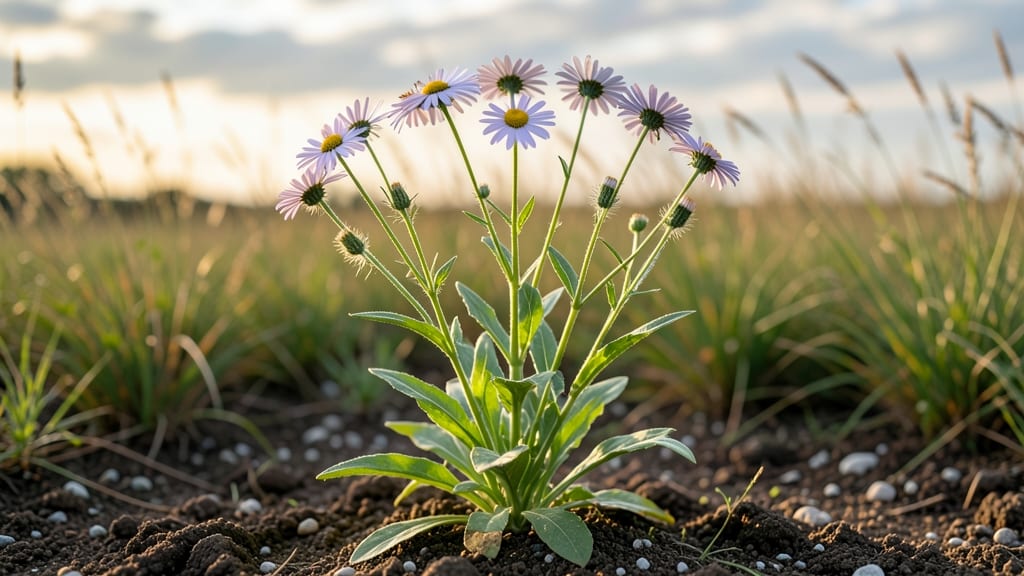
The Virginia stickseed flower thrives where others struggle—its delicate blooms love cold snaps and dry soil. 🌿 I learned this the hard way after planting it in rich, moist beds where it flopped. The secret? Mimicking its native rocky slopes with lean soil and full sun.
This tough perennial spreads easily through self-seeding, so one plant becomes many. Start with seeds in spring or divide established clumps in early fall. Water sparingly after planting—once established, it handles drought like a champ. By midsummer, you'll see clusters of tiny yellow flowers that last for weeks.
The foliage stays lush even in heat waves, and birds love the seed heads. Prune back in late winter to encourage fresh growth. Perfect for wildflower gardens, rocky slopes, or drought-tolerant borders. Let's get those seeds in the ground!
📚 In This Guide
- What you need
- Instructions
- Tips and common mistakes
- Wrapping up and next steps
What you need
- ● Seeds: High-quality Virginia stickseed seeds (1–2 grams covers ~100 plants). Look for organic or locally sourced seeds for best results.
- ● Growing Medium: Well-draining potting mix (for containers) or native soil amended with compost (for garden beds).
- ● Perlite or vermiculite (1 part per 3 parts soil) to improve aeration.
- ○ Containers (Optional): 4–6 inch pots with drainage holes (if starting indoors).
- ● Transplanting Tools: Garden trowel or hand shovel.
- ● Garden gloves (to protect hands from prickly stems).
- ● Watering Can or Hose with a gentle spray nozzle.
- ● Mulch (straw or shredded leaves) to retain moisture and suppress weeds.
- ● Pruning Shears (for deadheading or shaping plants).
- ○ pH Test Kit (Optional) to ensure soil pH is between 6.0–7.0 (slightly acidic to neutral).
- ○ Shade Cloth (Optional) for seedlings if your climate is hot and dry.
- ● Sunlight: Full sun to partial shade (6+ hours of sunlight daily).
- ● Climate: Hardy in USDA Zones 3–9. Prefers cooler temperatures (ideal for spring/fall planting).
- ● Water: Consistent moisture (but avoid waterlogging). Drought-tolerant once established.
- ● Patience: Germination takes 14–30 days, and full bloom may take 60–90 days.
Step-by-Step instructions for growing Virginia stickseed flowers
This hardy perennial thrives with minimal fuss—just follow these simple steps.
🌱 Step 1: Choose the Perfect Location and Prepare the Soil
Virginia stickseed loves sunny spots but handles partial shade too. Pick a site with at least 4-6 hours of sunlight daily—morning sun with afternoon shade works well in hotter climates. The soil should drain well since these flowers despise soggy roots. If your garden soil is heavy clay, mix in 2-3 inches of compost to loosen it naturally.
Here's the thing—stickseed tolerates poor soil better than most perennials. If you're unsure about your soil, do a simple test: grab a handful and squeeze it. If it forms a tight ball that doesn't crumble, it's too dense. Amend with organic matter only if needed. The key is loose, well-draining soil—not necessarily rich.
☀️ Step 2: Plant Seeds or Transplants at the Right Time
For fastest results, plant nursery-grown transplants in early spring after the last frost date or in fall 4-6 weeks before the first frost. If starting from seed, sow directly in the garden in late summer or early fall—this gives seeds time to establish roots before winter. Press seeds just below the soil surface (about ¼ inch deep) since they need light to germinate.
Don't overthink spacing—stickseed self-seeds naturally, so give plants 12-18 inches apart to begin with. You'll see seedlings popping up everywhere next spring. Water gently after planting to settle the soil around the roots, but avoid soaking the area. The goal is moist but not waterlogged soil.
💧 Step 3: Water and Maintain Through the Growing Season
Once established, Virginia stickseed is drought-tolerant, but young plants need consistent moisture. Water 1-2 times per week until plants show 4-6 inches of new growth. After that, let the soil dry out between waterings—stickseed thrives in dry conditions once roots are deep. You'll know it's time to water when the top 1-2 inches of soil feel dry to the touch.
Skip the fertilizer—stickseed grows best in lean soil. Too much nitrogen leads to lush foliage but fewer flowers. If you notice weak stems or pale leaves, a light application of balanced organic fertilizer (5-5-5 ratio) in early spring is fine, but don't overdo it. The plant's natural resilience comes from its ability to thrive in poor conditions.
✂️ Step 4: Enjoy the Blooms and Let Nature Take Over
Virginia stickseed produces delicate, star-shaped flowers in late spring to early summer. The real magic happens when the seed heads form—each one splits open to reveal tiny, stick-like seeds that cling to anything that brushes by. This self-sowing habit means your garden will fill with new plants year after year with no effort from you.
Deadhead spent blooms if you want to encourage more flowers, but leave some seed heads for the show. The unique seed dispersal mechanism makes stickseed a great pollinator magnet—bees and butterflies love the nectar-rich blooms. Watch for the 1-2 inch tall seed pods that split open in late summer, releasing seeds for next year's crop.
⏰ Step 5: Prepare for Winter and Next Year's Growth
Virginia stickseed is cold-hardy and needs no winter protection. In fact, it often blooms earlier in spring if planted in fall. After the first frost, the foliage may turn brown, but the roots stay alive underground. In early spring, you'll see new growth pushing through the soil—this is your signal to trim back any dead stems and let the plant focus on new shoots.
Real talk: Stickseed spreads aggressively in ideal conditions, so keep an eye on its growth. If it starts crowding out other plants, dig up excess seedlings in early spring before they establish. The more you let it self-seed, the more your garden will look like a wildflower meadow—just be ready for it to take over!
Tips & tricks for perfect Virginia stickseed flowers
These simple strategies will help you grow the hardiest, most vibrant Virginia stickseed with minimal effort.
Sunlight Strategy: While stickseed tolerates partial shade, those 4-6 hours of sunlight daily make all the difference for robust blooms. If your garden gets intense afternoon sun, opt for morning sun exposure—this prevents leaf scorch while still giving the plants enough energy for flowering. I've seen stickseed thrive beautifully in containers on patios with just 4 hours of morning sun.
Soil Test Hack: That simple soil squeeze test in Step 1 is your secret weapon. If your soil forms a tight ball, add 2-3 inches of compost only to the planting hole—not the entire bed. Stickseed's natural resilience means it doesn't need rich soil, but good drainage is non-negotiable. I once planted in heavy clay without amending, and while the plants survived, they produced half as many flowers.
Timing Secret: The late summer or early fall seed sowing window is perfect because it gives young plants time to establish roots before winter. If you miss this window, don't panic—stickseed will still germinate in spring, but you'll get a later bloom time. I've had success sowing as late as October in my zone 6 garden, with flowers appearing the following spring.
Pollinator Perk: Leave those seed pods! The unique "stick-like" seeds that cling to everything create a natural pollinator buffet. Bees and butterflies adore the nectar-rich blooms, and the seed dispersal mechanism keeps your garden self-populating. I've watched hummingbirds hover near the plants while collecting nectar—it's like having a miniature wildlife show in your yard.
Pro Tips for Virginia Stickseed Flower
- These simple strategies will help you grow the hardiest, most vibrant Virginia stickseed with minimal effort.
- Sunlight Strategy: While stickseed tolerates partial shade, those 4-6 hours of sunlight daily make all the difference for robust blooms.
- Soil Test Hack: That simple soil squeeze test in Step 1 is your secret weapon.
Frequently asked questions
Got questions about growing Virginia stickseed (Hackelia virginiana)? You’re not alone—this unique, self-sowing beauty has a few quirks! Below, we tackle the most common curiosities, from timing to troubleshooting, so you can nurture these cold-hardy blooms with confidence.
How cold can Virginia stickseed tolerate?
This plant is a champion of cold climates! It thrives in USDA Zones 3–9 and handles frost like a pro. In fact, it often blooms earlier than other wildflowers in spring, thanks to its cold-stressed resilience. Just ensure it’s planted in well-draining soil to avoid soggy roots in winter.
When is the best time to plant Virginia stickseed?
For fastest results, sow seeds in early fall (September–October) or late winter (February–March). This mimics its natural self-sowing cycle—seeds germinate in cool soil, then lie dormant until spring. If planting in summer, keep soil moist and shade seedlings until established.
Why isn’t my Virginia stickseed flowering?
Patience is key! This biennial or short-lived perennial may take 1–2 years to bloom. Ensure it gets full sun to partial shade and moderate moisture (not soggy). If it’s not flowering, check for crowding—thin seedlings to 6–12 inches apart for better air circulation and blooms.
Are Virginia stickseed flowers good for pollinators?
These butterfly- and bee-friendly blooms produce nectar-rich flowers that attract pollinators early in the season. Their unique seed heads also provide late-season interest for birds. Plant in meadows or native gardens to maximize their ecological benefits.
How do I prevent Virginia stickseed from spreading too much?
While its self-sowing habit is a perk, you can control spread by deadheading spent blooms (though this may reduce seed production). For contained growth, plant in containers or raised beds with deep sides. It’s not invasive but can naturalize beautifully in wildflower mixes.
Bonus Tip: Troubleshooting Yellow Leaves
Yellowing leaves often signal overwatering or poor drainage. Let soil dry slightly between waterings, and amend heavy clay with compost. If leaves are crispy, underwatering or heat stress may be the culprit—mulch to retain moisture!
Wrapping up and next steps
The Virginia stickseed flower is a resilient, low-maintenance beauty that rewards gardeners with self-sowing charm and cold-hardy blooms. Whether you’re drawn to its delicate petals or its ability to thrive in tough conditions, this plant is a fantastic addition to any garden—especially for those who love hands-off gardening. 🌱
Ready to grow your own? Start small—plant a few seeds or cuttings this season, and let nature do the rest! Share your progress with fellow gardening enthusiasts or explore more cold-tolerant plants to expand your garden’s hardiness. Happy planting! 🌸