
Lawn
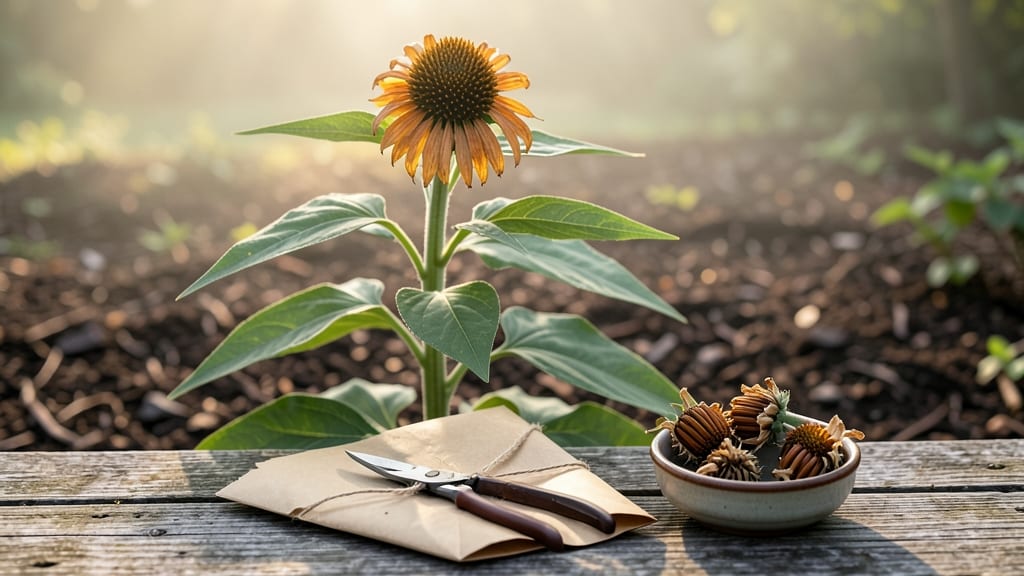
Zinnia seed collection saves you money and guarantees next year’s favorite blooms. 🌻 I’ve learned that skipping this step means buying seeds again—and missing out on the exact varieties you love. The process is simpler than you’d think, and it only takes about 15 minutes per plant once you know the right timing. Start by letting a few seed heads mature fully on the plant while you enjoy the rest for cutting. When the flower petals drop and the papery centers turn brown, that’s your cue. Snip the dried heads with clean scissors, then lay them on a tray to finish drying indoors for a week. Once completely dry, gently rub the seed heads between your fingers to release the tiny, dark seeds. Store them in a labeled envelope in a cool, dark place—these seeds stay viable for 3-4 years, so you’ll have plenty for future gardens. This method works for all zinnia types, from dwarf varieties to towering giants. Here’s how to do it without the guesswork!
📚 In This Guide
- What you need
- Instructions
- Tips and common mistakes
- Wrapping up and next steps
What you need
- ● Mature zinnia plants: Choose healthy, disease-free blooms that have fully dried on the stem (brown, papery petals are a good sign!). Aim for at least 5–10 plants for a diverse seed collection.
- ● Pruning shears or sharp scissors: A pair with clean, sterilized blades to avoid spreading plant pathogens. (A butter knife works in a pinch!)
- ● Brown paper bags or seed envelopes: 4–6 bags (one per plant type if collecting varieties). Opt for unbleached, breathable paper to prevent mold.
- ● Permanent markers or labels: To jot down plant names, dates, and growing conditions (e.g., "Benary’s Giant – July 2024 – Full Sun").
- ● Drying tray or cardboard box: A flat surface (like a wire cooling rack or cardboard box with holes) to spread seed heads for 2–4 weeks.
- ● Fine-mesh sieve or colander: A small kitchen strainer (1–2mm holes) to separate seeds from chaff.
- ● Desiccant packets: Place a few in your seed storage bags to absorb excess moisture and extend shelf life.
- ● Glass jars with lids: For long-term storage (label tightly!). Add a silica gel packet for extra dryness.
- ● Handheld magnifying glass: To inspect seeds for pests or imperfections before storage.
- ● Digital scale: Weigh seeds to track viability (healthy zinnia seeds should be light but dense).
- ● Notebook or seed-tracking app: Log germination rates and notes year-to-year for future reference.
How to collect zinnia seeds for next season’s blooms
Here’s the simple method I’ve used for years to save seeds from my zinnia plants—no fuss, no wasted blooms.
🌱 Step 1: Choose the Right Flowers to Harvest
Wait until zinnia blooms have fully faded and turned into dry, papery seed heads. These look like tiny, round puffballs clinging to the stems. I pick the largest, healthiest heads first—they’ll yield the most seeds. Avoid any that show signs of mold or pests, as those can carry problems to next year’s plants.
Cut the seed heads with a sharp pair of scissors, leaving about 2 inches of stem attached. This helps prevent the heads from breaking open prematurely and scattering seeds everywhere. Place them in a paper bag or envelope—this keeps seeds contained while they dry.
☀️ Step 2: Dry the Seed Heads Properly
Find a warm, dry spot with good airflow—like a sunny windowsill or a shelf in your garage. Let the seed heads dry for 2-3 weeks. You’ll know they’re ready when the heads crumble easily in your hand and the seeds inside rattle when shaken.
I like to check them every few days by gently squeezing a head. If seeds start falling out on their own, that’s your cue to move to the next step. Avoid rushing this—moisture left in the heads can cause mold, ruining your entire batch.
✂️ Step 3: Extract and Store the Seeds
Once dry, place the seed heads in a clean, dry bowl and gently rub them between your palms. The seeds will separate from the chaff and fall out. I use a small mesh strainer to catch the seeds while letting the lighter debris blow away—it’s like magic how clean they get!
Store the seeds in a labeled envelope or small glass jar. Keep them in a cool, dark place, like a pantry or seed storage box. Zinnia seeds stay viable for 2-3 years, so you’ll have plenty for future seasons. Just make sure the container is airtight to keep moisture out.
💧 Step 4: Label and Organize for Next Year
Write the variety name and the year on your seed storage container. I also jot down any notes about plant performance—like how tall they grew or if they resisted pests. This helps me track favorites and avoid repeating mistakes.
If you collected seeds from multiple varieties, keep them separate. Mixing them up can lead to unexpected color surprises in your garden next year. A small notebook or spreadsheet works great for tracking your seed collection over time.
Tips & tricks for perfect zinnia seed collection
Here’s what I’ve learned after years of saving zinnia seeds—these little tricks save time and headaches.
Timing Secret: Harvest your seed heads when they’ve fully dried and turned papery, but before they start scattering seeds on their own. I’ve learned the hard way that waiting too long means losing seeds to the wind. Look for those classic puffball shapes that crumble easily when squeezed—this is your cue they’re ready for collection. The 2-inch stem you leave attached makes all the difference in keeping those seeds contained during drying.
Drying Strategy: Those 2-3 weeks of drying might seem long, but patience pays off. I’ve ruined batches by rushing the process and ending up with moldy seeds. Place your seed heads in a well-ventilated spot where they can dry slowly and evenly. A sunny windowsill works perfectly—just avoid direct sunlight that can overheat them. Check them every few days by giving them a gentle squeeze; when seeds start falling out, they’re ready for extraction.
Seed Extraction Hack: The mesh strainer trick is a game-changer for clean seeds. After rubbing the dried heads between your palms, place the mixture over a strainer and gently tap it. The seeds will fall through while the lighter chaff blows away—it’s like seed magic! I’ve tried just shaking them into a bowl, but this method gives me noticeably cleaner seeds with less effort. Store them immediately in airtight containers to maintain their viability for those 2-3 years.
Organization Win: Labeling your seed containers with variety names and years might seem tedious, but trust me—it’s worth it. I’ve pulled out old seed packets only to realize I’d mixed varieties or forgotten which ones performed best. A simple notebook or spreadsheet helps track plant performance notes like height, bloom time, and pest resistance. This way, you’ll know exactly which zinnias to plant again next season without any surprises.
Pro Tips for Zinnia Seed Collection
- Here’s what I’ve learned after years of saving zinnia seeds—these little tricks save time and headaches.
- Timing Secret: Harvest your seed heads when they’ve fully dried and turned papery, but before they start scattering seeds on their own.
- Drying Strategy: Those 2-3 weeks of drying might seem long, but patience pays off.
Frequently asked questions
Got questions about collecting zinnia seeds? You’re not alone—many gardeners want to ensure they save the best seeds for next year’s vibrant blooms. Here’s what you need to know before you start!
When is the best time to collect zinnia seeds?
Harvest seeds when the flower heads turn brown and dry out, usually 4–6 weeks after blooming. Wait until the petals fall off naturally—this ensures seeds are fully mature. Avoid collecting seeds from damp or moldy heads to prevent poor germination.
How do I know if my zinnia seeds are ready to collect?
Ready seeds are hard and dark brown, often popping open when gently squeezed. If they’re still green or soft, wait a few more days. Shake a dried head over a paper bag—if seeds rattle inside, they’re ready!
Can I collect seeds from hybrid zinnias?
Hybrid zinnias (like ‘Benary’s Giant’ or ‘Crystal’) may not produce true-to-type seeds. For consistent blooms, opt for heirloom varieties labeled “open-pollinated.” If you’re experimenting, save seeds anyway—you might get surprises!
What if my seeds don’t sprout next year?
Zinnia seeds stay viable for 2–4 years if stored properly (cool, dry, dark place). If they fail to sprout, check for moisture damage or old age. Try soaking seeds overnight in warm water to encourage germination.
How should I store collected zinnia seeds?
Clean seeds thoroughly, let them dry completely, then store in paper envelopes or airtight containers with a desiccant (like silica gel). Label with the variety and date! Avoid plastic bags—humidity is the enemy of seed longevity.
Wrapping up and next steps
Collecting zinnia seeds is a rewarding way to ensure next year’s garden bursts with vibrant blooms—and you’re now equipped with all the know-how! 🌻 Whether you’re a seasoned gardener or just starting out, every dried seed head you save is a promise of future beauty.
Ready to put your new skills to the test? Grab those pruners, grab a bag, and start harvesting—your future garden will thank you!
💡 Next step: Share your seed-saving journey with fellow gardeners or tag us in your blooming success stories!