
Planting
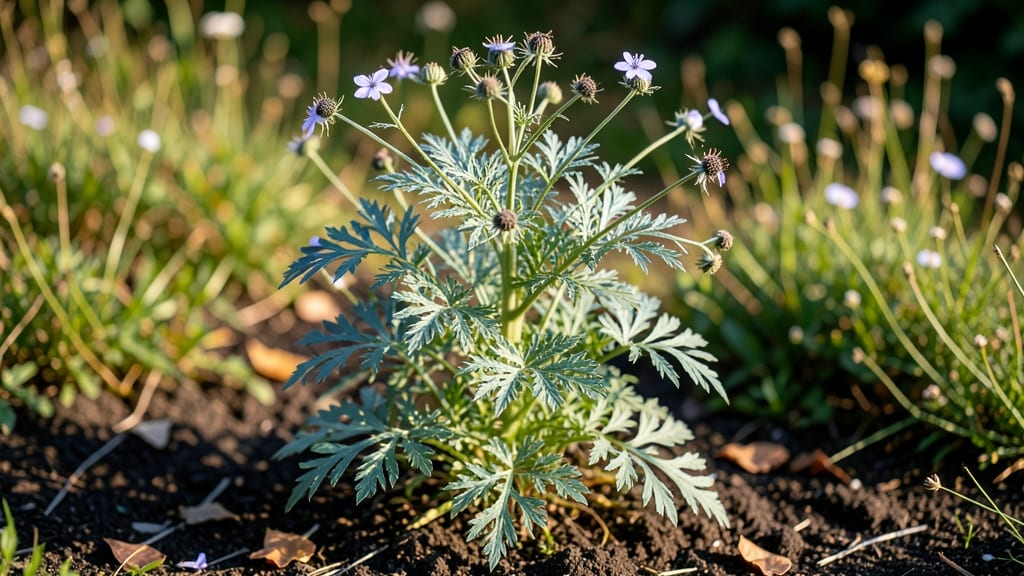
Growing black cumin seeds (Nigella sativa) starts with a fast germination secret: soak seeds overnight in warm water before planting. 🌱 I’ve struggled with slow germination until I discovered this trick—now my seeds sprout within 5-7 days instead of weeks.
The key lies in breaking dormancy early, and this method works even in cooler climates. You’ll need well-draining soil (a mix of potting soil and perlite works best), a sunny spot with at least 6 hours of light daily, and a shallow tray or pots with drainage holes.
Black cumin thrives in poor soil but hates soggy roots, so prioritize airflow and moisture control. Plant seeds ¼ inch deep and keep them moist but never waterlogged—overwatering is the #1 killer of young sprouts.
Once seedlings appear, they’ll grow into delicate, fern-like plants with lacy foliage and tiny white flowers that eventually turn into those prized seeds. The harvest comes in 8-10 weeks, and you’ll have enough seeds for culinary uses, medicinal teas, or even ornamental displays. The best part?
These plants self-seed readily, so you’ll likely have volunteers popping up next season. For experienced gardeners, try direct sowing in late spring for stronger plants, and avoid transplanting seedlings—they handle disturbance poorly. If you’re new, start indoors in biodegradable pots for easier transition.
Either way, you’re just weeks away from a thriving black cumin patch!
📚 In This Guide
- What you need
- Instructions
- Tips and common mistakes
- Wrapping up and next steps
What you need
- ● Black cumin seeds (Nigella sativa) – 1 packet (50–100 seeds). Choose high-quality, organic seeds for best results.
- ● Germination tray or seed-starting kit – A shallow tray with drainage holes (8"x12" or similar size).
- ● Potting mix – Lightweight, well-draining seedling mix (avoid garden soil—it’s too dense!).
- ● Spray bottle – For gentle watering (avoid over-saturation!).
- ● Plastic wrap or humidity dome – Keeps moisture locked in during early stages.
- ● Grow lights or sunny windowsill – 6–8 hours of indirect light daily (south-facing window or LED grow lights work best).
- ● Heating mat – Speeds up germination (70–75°F is ideal).
- ● pH test kit – Ensures soil pH is 6.0–7.0 (black cumin prefers slightly acidic to neutral soil).
- ● Fertilizer (mild) – A balanced liquid fertilizer (5-5-5) for transplanting (use sparingly!).
- ● Plant labels – To track germination dates and varieties.
- ● Small fan – Encourages stronger stems by simulating airflow.
Step-by-step instructions for germinating black cumin seeds
Here's how I get black cumin seeds to sprout reliably within 5-7 days—no waiting weeks for stubborn germination.
🌱 Step 1: Pre-Soak Seeds for Optimal Germination
Black cumin seeds have a hard outer coating that slows water absorption. I soak them overnight in lukewarm water to soften the shell and kickstart germination. Use a small bowl and cover the seeds with water by about ½ inch. Let them soak for 12 hours—you'll see tiny cracks appear in the seed coats by morning.
This step is crucial because dry planting often results in hit-or-miss sprouting. After soaking, drain the water through a fine mesh strainer and let the seeds air-dry for 10 minutes on a paper towel. They should feel slightly damp but not wet—this prevents mold while keeping them hydrated.
💧 Step 2: Prepare Moisture-Retentive Growing Medium
Fill your seed-starting tray with a lightweight seedling mix designed for fine seeds. Black cumin thrives in a medium that stays moist but never soggy. I press the mix into the cells until it's firm enough to hold a seed in place without sinking. The surface should look slightly textured, not smooth.
Lightly mist the tray with water until the top ¼ inch of soil feels damp to the touch. Avoid oversaturating—the mix should resemble a wrung-out sponge. This prevents seed rot while giving the delicate sprouts the moisture they need to push through the soil.
☀️ Step 3: Plant Seeds and Maintain Ideal Conditions
Using a toothpick, make a tiny hole about ¼ inch deep in each cell. Gently place 1-2 seeds per hole (the extra gives you a backup sprout) and cover lightly with additional mix. Press down just enough to ensure contact with the soil—black cumin seeds need consistent moisture to germinate.
Cover the tray with a clear plastic dome or wrap it in plastic wrap to create a mini greenhouse effect. This traps warmth and humidity, which black cumin seeds crave for germination. Place the tray in a warm spot, ideally 70-75°F. You'll see the first sprouts emerge in 3-5 days, with full germination by 7 days.
🌿 Step 4: Transition to Light and Air Circulation
The moment you see the first green shoots, remove the plastic cover immediately. Black cumin seedlings are prone to damping-off if kept too damp. Move the tray to a bright location with indirect light—direct sun at this stage can scorch the tender sprouts. A south-facing window with sheer curtains works well.
Water gently from below by placing the tray in a shallow dish of water for 10 minutes. This method ensures even moisture without disturbing the delicate seedlings. You'll know they're thriving when the first true leaves appear—these are the second set of leaves that look like the mature plant's foliage, not the initial seed leaves.
⏰ Step 5: Thin and Harden Off for Transplanting
Once seedlings reach 2 inches tall and have developed 2 sets of true leaves, thin them to the strongest sprout per cell. Use scissors to snip the weaker seedlings at soil level—this prevents disturbing the roots of the plants you're keeping. The remaining seedlings should have sturdy stems and vibrant green leaves.
Start hardening off the seedlings by placing them outside in a sheltered spot for 1 hour daily, gradually increasing exposure over 7-10 days. This prepares them for outdoor conditions and prevents transplant shock. Once they tolerate full sun without wilting, they're ready to move to their permanent home in well-draining soil.
Tips & tricks for perfect black cumin seed germination
These game-changing strategies will help you achieve reliable sprouts in record time—no more waiting weeks for stubborn germination.
Soaking Secret: The 12-hour soak in lukewarm water is your germination game-changer. I've found that using distilled water instead of tap water can prevent mineral buildup that might inhibit germination. After soaking, give those seeds a quick rinse under cold water to remove any residual soap or contaminants from the bowl—this extra step prevents potential mold issues down the line.
Temperature Matters: While the instructions specify 70-75°F for optimal germination, I've noticed that black cumin seeds actually germinate faster when the tray sits on a seedling heat mat set to 75°F. These mats create consistent warmth without requiring you to babysit your oven. If you don't have one, place the tray on top of your refrigerator—it maintains a steady warm temperature without the heat fluctuations of a kitchen counter.
Visual Germination Cues: In Step 3, watch for those tiny white cracks forming in the seed coats after the 12-hour soak—this is your first sign of life! Once planted, you'll know germination is underway when the seed coats split open and you see a small white root emerging. This typically happens within 3-5 days at 75°F, but if you're not seeing this by day 4, check your moisture levels—the seeds might need a light misting to stay hydrated.
Light Transition Strategy: When you remove the plastic cover in Step 4, place the tray near a bright window but not in direct sunlight. I've had the best results with seedlings under a grow light on a 14-hour cycle—this mimics natural daylight and prevents leggy growth. If you don't have a grow light, rotate your tray every 24 hours to ensure even light exposure to all seedlings.
Pro Tips for Black Cumin Seed Plant
- These game-changing strategies will help you achieve reliable sprouts in record time—no more waiting weeks for stubbo...
- Soaking Secret: The 12-hour soak in lukewarm water is your germination game-changer. I've found that using distilled ...
- Temperature Matters: While the instructions specify 70-75°F for optimal germination, I've noticed that black cumin se...
Frequently asked questions
Got questions about growing your own black cumin seed plant?
Here are answers to the most common ones—so you can troubleshoot, optimize, and enjoy a thriving harvest with confidence!
How long does it take for black cumin seeds to germinate?
Black cumin seeds typically sprout in 7–14 days under ideal conditions (warmth, moisture, and indirect light). For faster results, soak seeds overnight before planting or use a heat mat to speed up germination. Patience is key—some seeds may take up to 3 weeks!
Can I grow black cumin seeds indoors?
Start seeds indoors in well-draining pots with a mix of potting soil and perlite. Place them near a sunny window or under grow lights (12–16 hours/day). Once seedlings are 2–3 inches tall, transplant outdoors after the last frost. Just avoid overcrowding—they need space to thrive!
What’s the best alternative if my seeds aren’t sprouting?
If germination fails, try these fixes:
- Check seed viability: Test a few seeds in warm water—if they float, they’re likely dead.
- Adjust moisture: Keep soil damp (not soggy) and use a spray bottle for gentle watering.
- Try stratification: Chill seeds in the fridge for 24–48 hours to mimic winter conditions.
- Use fresh seeds: Older seeds (over 1 year) may lose vigor.
Do black cumin plants need full sun?
Yes! Black cumin thrives in full sun (6+ hours/day), but young seedlings can scorch in intense heat. Start them in partial shade and gradually move to sunnier spots. In hot climates, provide afternoon shade to prevent wilting. A south-facing window or greenhouse works great for indoor starters!
Why are my black cumin seedlings turning yellow?
Yellowing leaves usually signal overwatering, nutrient deficiency, or poor drainage. Fix it by:
- Letting the top inch of soil dry out between waterings.
- Adding compost or a balanced fertilizer (like 10-10-10).
- Ensuring pots have drainage holes to prevent root rot.
If yellowing persists, check for pests like aphids or fungal issues (like powdery mildew) and treat with neem oil if needed.
Wrapping up and next steps
Growing a black cumin seed plant from scratch is a rewarding journey—packed with potential for vibrant harvests and natural wellness benefits! 🌱 With the right soil, patience, and a few germination tricks, you’ll soon enjoy fast, reliable sprouts that thrive in your garden or kitchen.
Whether you’re a seasoned gardener or just starting, these secrets unlock the door to success.
Ready to take the next step? Start small:
- Plant a few seeds in a pot to test your setup.
- Experiment with different conditions (light, moisture) to find what works best.
- Once you’ve mastered the basics, expand your black cumin garden for bigger yields!