
Lawn
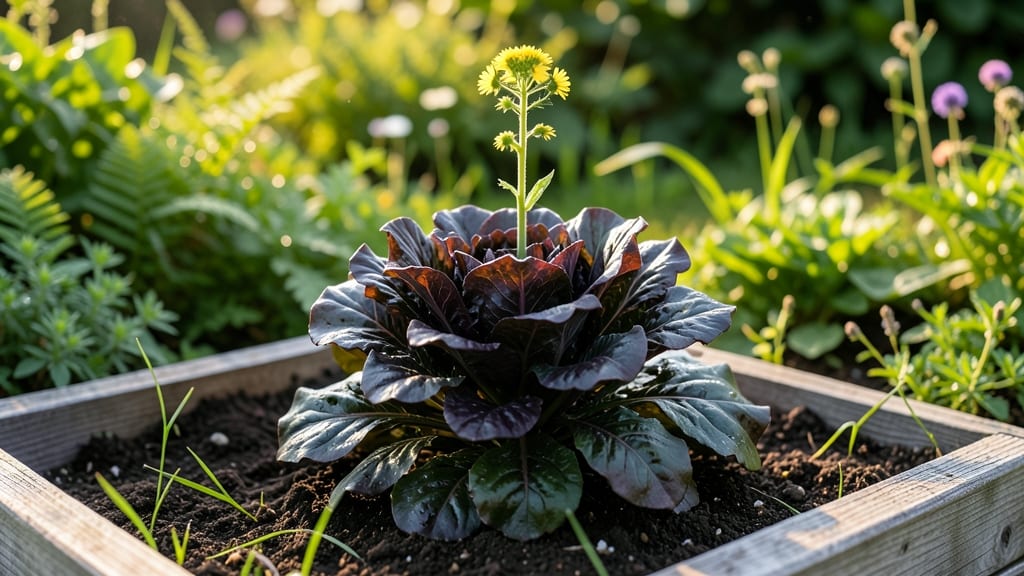
Growing Black Seed Simpson lettuce means 60-day salads straight from your garden—even when other varieties bolt in the heat. 🌱 This heirloom holds its sweetness through cold snaps, making it my go-to for early spring and fall harvests when temperatures dip below 75°F. The secret to success is cool soil and consistent moisture—plant in well-draining beds with compost-rich soil, and keep leaves damp (not soggy).
Unlike heat-sensitive varieties, Black Seed Simpson thrives in partial shade, so it’s perfect for gardeners with afternoon sun challenges or cooler climates like Zones 3-8. You’ll harvest crisp, buttery leaves by mid-spring or late summer, with minimal bitterness.
The key is succession planting every 2-3 weeks to stretch your harvest until frost. I’ve grown it in containers, raised beds, and in-ground plots—it adapts beautifully as long as you avoid letting it dry out.
For bolting prevention, never let the soil dry completely, and harvest outer leaves first to encourage regrowth. This lettuce even handles light frost, so you can push your season longer than most varieties. Ready to grow your own cold-hardy greens?
📚 In This Guide
- What you need
- Instructions
- Tips and common mistakes
- Wrapping up and next steps
What you need
- ● Black Seed Simpson lettuce seeds – 1 packet (approx. 500 seeds)
- ● Seed-starting mix – 1 quart (or pre-moistened seed pods if preferred)
- ● Growing containers – 4-6 biodegradable pots (2-3" diameter) or seed trays
- ● Grow lights or sunny windowsill – 12-16 hours of light daily (LED grow lights work best)
- ● Watering can or spray bottle – For gentle hydration (avoid overwatering!)
- ● Transplant-friendly soil – 1 bag (1 cubic foot) of well-draining potting mix
- ○ Fertilizer (optional but recommended) – Balanced liquid fertilizer (5-10-5) or compost tea
- ● Gloves – To keep hands clean while handling soil
- ● Trowel or small shovel – For transplanting seedlings
- ● Cold frame or frost cloth – To protect seedlings from late frosts (if growing in cooler climates)
- ● Pruning shears – For harvesting leaves without damaging the plant
- ○ pH testing kit (optional) – To ensure soil pH is between 6.0-7.0 (ideal for lettuce)
Step-by-Step guide to growing Black Seed Simpson lettuce
This heirloom variety thrives with cold exposure—here’s how to coax those famous blooms in just 60 days.
🌱 Step 1: Start Seeds Indoors for Early Growth
Black Seed Simpson lettuce loves cool weather but needs a head start. Plant seeds 6-8 weeks before your last frost date in small pots filled with moistened seed-starting mix. Press seeds ¼ inch deep—they’re tiny, so I use a toothpick to avoid burying them too deeply. Cover lightly with fine soil and mist until damp.
Place pots in a warm spot (65-70°F) under a grow light or in bright indirect light. Germination takes 7-14 days, so keep the soil consistently moist but never soggy. You’ll know it’s working when you see tiny green cotyledons breaking through the soil.
☀️ Step 2: Harden Off and Transplant for Cold Tolerance
Once seedlings have 2-3 true leaves (about 3-4 weeks after sowing), it’s time to harden them off. Start by placing them outside in a sheltered spot for 1-2 hours daily, gradually increasing exposure over 7-10 days. This prepares them for cooler temperatures and prevents shock.
Transplant seedlings 12-18 inches apart in well-draining soil enriched with compost. Black Seed Simpson thrives in full sun to partial shade, but in hot climates, afternoon shade prevents bolting. Water deeply at transplanting to settle roots, then maintain 1 inch of moisture weekly.
💧 Step 3: Manage Water and Fertility for Optimal Blooms
Consistent moisture is key—lettuce hates drying out, but soggy soil invites rot. Water at the base in the morning to let foliage dry before evening. Avoid overhead watering to prevent disease. Feed lightly with a balanced fertilizer (10-10-10) every 3-4 weeks to encourage lush growth without excess nitrogen, which can delay blooming.
Watch for bolt-resistant varieties—Black Seed Simpson is known for its cold tolerance, but if temperatures rise above 75°F for extended periods, it may bolt prematurely. Shade cloth or mulch helps regulate soil temps and keeps plants happy.
⏰ Step 4: Time Harvest for Peak Flavor and Cold-Stressed Blooms
Harvest outer leaves when they reach 4-6 inches to encourage continuous growth. For blooms, wait until 60 days after transplanting—this variety’s cold stress triggers stunning purple-red flowers. Cut stems just above a leaf node to promote branching and more blooms.
If you miss the bloom window, don’t worry—you can still enjoy tender leaves for salads or cooking. The key is consistency: keep soil moist, provide partial shade in heat, and let the cold do its magic. You’ll love the sweet, slightly bitter flavor and those dramatic blooms!
Tips & tricks for perfect Black Seed Simpson lettuce blooms
Here's what I learned the hard way after struggling to get those dramatic blooms—these tricks make all the difference.
Germination Precision: Those tiny seeds need just the right touch. After planting your ¼ inch deep seeds, place the pots in a sealed plastic bag for the first 7-14 days to maintain humidity. Check daily for condensation—if you see droplets, remove the bag for 30 minutes to prevent mold. The goal is consistent moisture without soggy soil that could drown those delicate seedlings.
The Hardening-Off Secret: Don't rush the 7-10 day hardening process in Step 2. I used to cut it short, and my seedlings would wilt when transplanted. Start with just 1-2 hours in morning sun, then gradually add time. Watch for wilting—if leaves droop, they're not ready yet. The key is acclimating them to wind and temperature fluctuations slowly.
Bloom Timing Strategy: To hit that 60-day bloom window, plant your seedlings when nighttime temperatures consistently drop below 60°F. This cold stress triggers the purple-red blooms. If your summer stays warm, consider succession planting every 2 weeks to ensure you catch that perfect bloom window before summer heat sets in permanently.
Fertilizer Timing: The 10-10-10 fertilizer recommendation is spot-on, but here's the catch: stop fertilizing 4-6 weeks before you expect blooms. The nitrogen in fertilizer promotes leaf growth, which can delay or reduce flowering. Switch to a phosphorus-heavy fertilizer (like 5-10-10) in the final month to encourage blooming instead.
Pro Tips for Black Seed Simpson Lettuce
- Here's what I learned the hard way after struggling to get those dramatic blooms—these tricks make all the difference.
- Germination Precision: Those tiny seeds need just the right touch.
- The Hardening-Off Secret: Don't rush the 7-10 day hardening process in Step 2.
Frequently asked questions
What’s the best time to plant Black Seed Simpson lettuce for cold-stressed blooms?
Plant seeds 8–10 weeks before your first frost (or around late summer for a fall harvest). This variety thrives in cooler weather (40–65°F), so avoid planting in scorching heat. For extended blooms, succession plant every 2–3 weeks until 60 days before your expected frost date.
How often should I water Black Seed Simpson lettuce for optimal blooms?
Keep soil consistently moist but not soggy—water deeply 1–2 times per week, more often in hot/dry spells. Mulch around plants to retain moisture and prevent stress. Overwatering can cause bolting (premature flowering), so prioritize even moisture over frequent shallow watering.
Can I grow Black Seed Simpson lettuce in winter? If so, how?
Yes! This cold-hardy variety tolerates light frosts (20–25°F) but may bolt in extreme cold. Use row covers or cold frames to protect seedlings. For winter harvests, plant in late summer or early fall and harvest leaves before heads form. In Zone 7+, overwinter with thick mulch for spring regrowth.
What are good alternatives if Black Seed Simpson lettuce bolts too quickly?
Try these slow-bolting, cold-tolerant lettuce varieties:
- Winter Density – Heat-tolerant and bolt-resistant.
- Jericho – Thrives in cool weather, slow to bolt.
- Arctic King – Cold-hardy with minimal bitterness.
- Black Seeded Simpson (again!) – Extend its life by shading plants in peak summer heat.
Why are my Black Seed Simpson lettuce leaves turning yellow or wilted?
Yellowing leaves often signal overwatering, nutrient deficiency, or pests. Check for:
- Slugs/snails – Use beer traps or diatomaceous earth.
- Aphids – Spray with soapy water or introduce ladybugs.
- Nitrogen deficiency – Side-dress with compost or fish emulsion.
- Root rot – Improve drainage and reduce watering.
Wrapping up and next steps
Growing Black Seed Simpson lettuce is a rewarding journey—especially when you witness those vibrant, cold-stressed blooms in just 60 days! 🌱 Whether you're a seasoned gardener or a curious beginner, this fast-growing variety proves that delicious, nutritious greens don’t require endless patience.
With the right materials and a little care, you’ll soon be harvesting crisp, flavorful leaves to elevate your salads or share with neighbors.
Ready to dive in? Start small—plant a few seeds this week, and soon you’ll be enjoying the fruits (or leaves!) of your labor. Happy gardening! 🌿