
Lawn
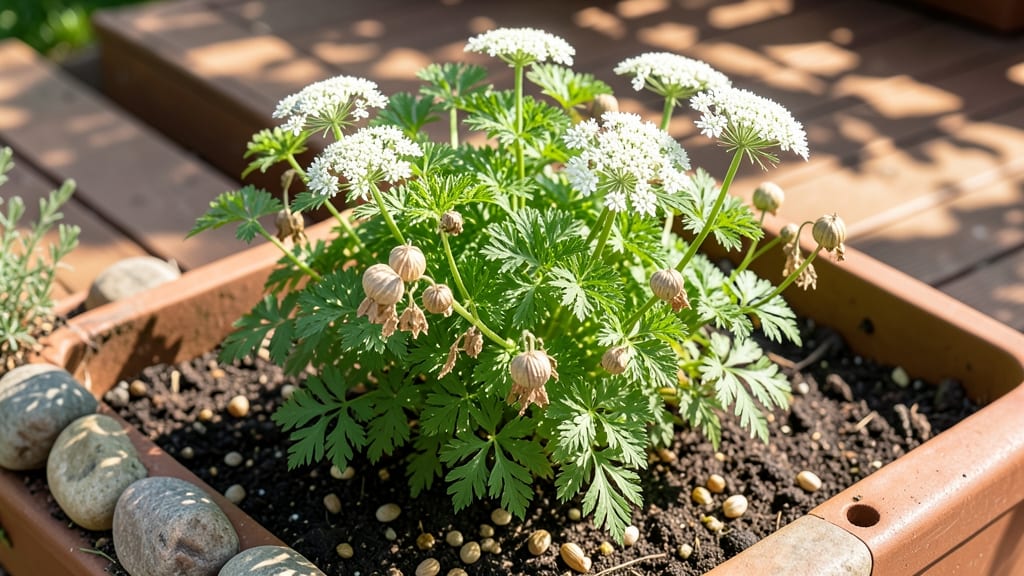
Growing coriander seeds and cilantro leaves from the same plant is like unlocking a two-in-one harvest. 🌱 The secret lies in timing—cilantro for fresh leaves now, then let some plants bolt for those fragrant coriander seeds later in the season.
My first attempt ended in bitter disappointment when the plants bolted too fast, but I've since perfected the balance between leaf production and seed development.
Start with well-draining soil rich in organic matter, and plant seeds just ¼ inch deep in 6-inch spacing. Coriander thrives in cool weather (60-75°F) and 4-6 hours of sunlight daily, but it bolts quickly when temperatures rise above 80°F.
The key is succession planting—sow seeds every 2-3 weeks to ensure a continuous harvest of fresh cilantro while allowing some plants to mature into seed producers.
Harvest cilantro leaves by snipping the outer stems when they reach 4-6 inches tall, leaving the inner growth to keep producing. For coriander seeds, let some plants flower and form seed heads, then dry them completely before harvesting.
The seeds are ready when they turn golden-brown and rattle inside the pods—a process that takes about 60 days from planting.
Watch for bolting (premature flowering) caused by heat or drought, and avoid overcrowding to prevent leggy, bitter-tasting leaves. With the right approach, you'll enjoy fresh cilantro and homegrown coriander seeds all season long. Here's how to make it work without the common pitfalls!
📚 In This Guide
- What you need
- Instructions
- Tips and common mistakes
- Wrapping up and next steps
What you need
- ● Coriander seeds (organic preferred) – 1 packet (≈ 1 oz or 28g) for a small garden or 2-3 packets for larger harvests.
- ● Potting soil or garden bed soil – Well-draining, nutrient-rich mix (pH 6.2–6.8). Avoid heavy clay soil.
- ● Containers or garden space – 6-inch pots (per plant) or 12-inch rows (if direct-sowing). Cilantro loves space!
- ○ Seed-starting tray (optional) – For indoor germination before transplanting.
- ● Watering can or spray bottle – Keep soil consistently moist but not soggy.
- ○ Gloves (optional) – Protects hands from cilantro’s hairy stems.
- ● Fertilizer (balanced 10-10-10 or compost) – Lightly mix into soil before planting.
- ● Mulch (straw or shredded leaves) – Helps retain moisture and suppress weeds.
- ● Pruning shears – For harvesting leaves without damaging the plant.
- ○ Sunlight meter (optional) – Ensures 6+ hours of full sun daily.
Step-by-step instructions for growing coriander and cilantro from seed
Here's how to grow both the leafy cilantro and the aromatic seeds from the same plant—no shortcuts, just reliable results.
🌱 Step 1: Prepare Soil and Sow Seeds Directly Outdoors
Coriander thrives in loose, well-draining soil with 60-70% organic matter. Work in 2-3 inches of compost before planting to prevent bolting (the plant's tendency to flower prematurely). Choose a location with full sun to partial shade—too much heat will send it straight to seed.
Sow seeds ¼ inch deep, spacing them 6-8 inches apart in rows 12-18 inches apart. I like to plant in clusters of 4-5 seeds every 12 inches for easier harvesting. Water gently after planting to settle the soil without disturbing seeds. Thin seedlings to 4 inches apart once they reach 2 inches tall—this prevents overcrowding and improves air circulation.
💧 Step 2: Maintain Consistent Moisture and Fertility
Keep the soil evenly moist but never soggy—coriander roots are shallow and rot easily. Water every 2-3 days until the top inch of soil feels dry. Mulch with 1 inch of straw or shredded leaves to retain moisture and suppress weeds. Avoid overhead watering once seedlings emerge—wet foliage encourages fungal diseases like powdery mildew.
Feed lightly with a balanced organic fertilizer (10-10-10) at half-strength when seedlings develop their second set of true leaves. Too much nitrogen will encourage leafy growth at the expense of seed production. I like to side-dress with compost tea every 3 weeks for a gentle nutrient boost without risking over-fertilization.
☀️ Step 3: Harvest Cilantro Leaves Before Bolting
You'll have usable cilantro leaves in just 4-6 weeks, but timing is critical. Harvest outer leaves when they reach 3-4 inches tall—cut just above a leaf node to encourage regrowth. Avoid taking more than ⅓ of the plant at once, or you'll stunt future production. I prefer harvesting in the morning when essential oils are at their peak.
Watch for the first signs of bolting: tall flower stalks shooting up from the center. This happens when days get longer or temperatures rise above 75°F. If you see flower buds forming, harvest the entire plant immediately—leaves become bitter and woody once bolting begins. Save the seeds if you want to grow coriander for spice later.
⏰ Step 4: Allow Plants to Mature for Seeds
If you want coriander seeds, let 2-3 plants bolt and flower. Once the seed heads turn brown and dry, cut them off with 4-6 inches of stem attached. Hang them upside down in a paper bag in a dry, well-ventilated spot. Shake the bags gently every few days to release seeds—this prevents mold and ensures even drying.
Seeds are ready when they rattle inside the dried seed heads and turn a deep brown color. Store them in an airtight container in a cool, dark place for up to 2 years. The flavor intensifies with age, so don't rush the drying process. I always label my seed packets with the harvest date to track freshness.
✂️ Step 5: Prevent Bolting in Future Plantings
Coriander bolts quickly in hot weather, but you can extend the harvest window with a few tricks. Plant successive crops every 2-3 weeks in early spring and late summer for continuous harvests. Use shade cloth (30-50%) during peak afternoon sun to keep soil temperatures cooler.
For a second crop, try sowing seeds in late summer or early fall when days are shorter and temperatures drop below 70°F. This gives plants more time to mature without bolting. If you live in a warm climate, grow coriander in partial shade and harvest frequently to delay flowering as long as possible.
Tips & tricks for perfect coriander and cilantro growth
Growing both cilantro leaves and coriander seeds from the same plant takes strategy—here's how to maximize your harvest without losing either.
Soil Preparation Secret: Before amending your soil with 2-3 inches of compost, mix in a handful of sand or perlite to improve drainage. Coriander hates soggy roots, and even well-draining soil can compact over time. I like to add a thin layer of coarse sand right below the planting depth to create a drainage layer—this prevents the shallow roots from sitting in moisture after watering.
Thinning Technique: When thinning seedlings to 4 inches apart, don't pull them—use clean scissors to snip at soil level. This prevents disturbing nearby plants and gives you baby cilantro for microgreens. The 2-inch height threshold is your cue: if seedlings are taller than your thumb when held vertically, it's time to thin. I harvest these snipped greens immediately and add them to salads for extra flavor.
Bolting Prevention: The 75°F temperature threshold isn't just about heat—it's about day length too. For extended harvests, plant successive batches every 2-3 weeks in early spring when days are still short. I've found that planting in partial shade (especially in hot climates) can push the bolting point up to 80°F while still maintaining quality leaves. Just monitor closely—shade can sometimes delay bolting by 1-2 weeks.
Seed Drying Strategy: When harvesting seed heads, don't rush the drying process. The 4-6 inches of stem you attach helps regulate moisture loss—longer stems dry slower and prevent mold. I like to place my seed bags in a dark closet with a small fan circulating air. This creates ideal conditions without risking sun bleaching or humidity buildup. The rattling test is foolproof: when seeds move freely inside, they're ready for storage.
Pro Tips for Coriander Seed Cilantro
- Growing both cilantro leaves and coriander seeds from the same plant takes strategy—here's how to maximize your harve...
- Soil Preparation Secret: Before amending your soil with 2-3 inches of compost, mix in a handful of sand or perlite to...
- Thinning Technique: When thinning seedlings to 4 inches apart, don't pull them—use clean scissors to snip at soil lev...
Frequently asked questions
Can I grow coriander seeds and cilantro from the same plant?
Yes! Both coriander seeds and cilantro come from the same plant (Coriandrum sativum). The seeds are harvested when the plant is mature, while fresh cilantro leaves are picked before flowering. Just be mindful of timing—let some plants bolt for seeds while harvesting others for leaves.
How long does it take for cilantro to go to seed?
Cilantro typically bolts (starts flowering) in 45-60 days in warm weather, but it can take longer in cooler climates. Once flowers appear, seeds mature in about 2-3 weeks. If you want both leaves and seeds, plant in succession—harvest leaves early, then let some plants flower for seeds.
Why does my cilantro taste soapy? And how do I fix it?
A soapy or bitter taste in cilantro is genetic—some people can’t mask the compound aldehyde that causes it. If you dislike the flavor, try freezing fresh leaves (which mellows the taste) or using dried coriander seeds instead. No fix works for everyone, but cooking cilantro (e.g., in soups or sauces) often helps!
Is cilantro heat-tolerant? Can I grow it in summer?
Cilantro is a cool-weather crop and struggles in heat (above 80°F/27°C). For summer growing, try these tricks:
- Plant in partial shade or use row covers.
- Choose heat-tolerant varieties like ‘Santo’ or ‘Calypso.’
- Harvest quickly (before bolting) or switch to coriander seeds, which handle heat better.
What’s the best substitute if I can’t grow cilantro?
If you need a cilantro substitute, try these swaps based on the dish:
- For fresh flavor: Flat-leaf parsley (milder) or Mexican tarragon (similar aroma).
- For seeds: Cumin (earthy) or caraway (licorice-like).
- For salsa/guac: A pinch of lemon zest or lime juice brightens flavors.
Pro tip: Freeze cilantro in ice cube trays with water to preserve flavor for later!
Wrapping up and next steps
Growing coriander seed and cilantro from seed to harvest in just 60 days is a rewarding experience—whether you're a seasoned gardener or a curious beginner! 🌱 With the right soil, sunlight, and care, you’ll enjoy fresh, fragrant leaves and flavorful seeds for cooking, teas, or garnishes. Don’t stop here! Experiment with different varieties, try succession planting for a continuous harvest, or even share your bounty with friends.
Happy growing—your kitchen (and taste buds) will thank you! 🥣✨