
Lawn
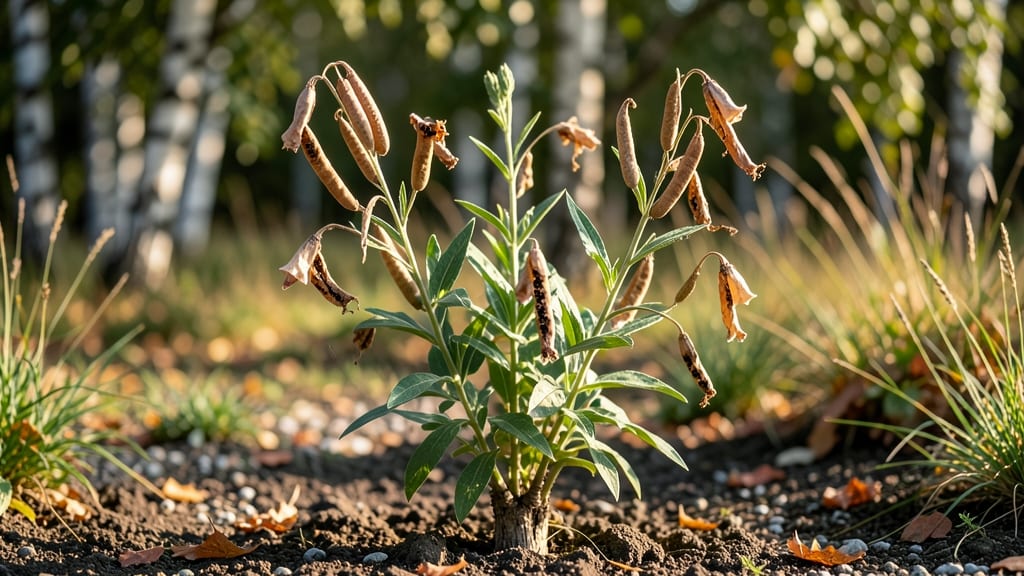
Harvesting dried snapdragon seed pods means never buying seeds again. 🌿 The moment those papery pods turn from green to brown, you've got a free, year-round supply of snapdragons—just waiting to be collected, dried, and stored for next season's garden.
The process is simpler than it sounds: wait until pods are fully brown and crispy (usually late summer to early fall), then gently twist them off the stem.
Spread them on a mesh screen or paper towel in a dry, dark spot for about two weeks—they'll release seeds naturally when ready. You'll end up with plump, viable seeds that germinate just as well as store-bought ones.
The dried pods themselves make charming dried arrangements too, so there's no waste. Store seeds in envelopes labeled by variety and date for up to five years. Perfect for gardeners who love heirloom varieties or want to save money.
Here's how to make it foolproof—even if you've never dried seeds before.
📚 In This Guide
- What you need
- Instructions
- Tips and common mistakes
- Wrapping up and next steps
What you need
- ● Mature snapdragon plants (with fully developed seed pods—look for brown, papery pods!). Aim for at least 10-15 plants for a decent harvest.
- ● Sharp pruning shears or scissors (sterilized with rubbing alcohol to prevent disease).
- ● Newspaper, brown paper bags, or breathable paper towels (enough to cover a flat surface, ~2-3 sheets per batch).
- ● Drying location with: Indirect sunlight (e.g., a shaded porch, garage, or indoor space with good airflow).
- ● Low humidity (aim for 40-50% humidity or use a dehumidifier if needed).
- ● Air-tight storage containers (glass jars, resealable plastic bags, or seed envelopes). Choose containers with desiccant packets (like silica gel) to absorb moisture.
- ● Permanent marker or labels (to label pods with the harvest date and variety).
- ● Fine-mesh seed screen or sieve (to sift out debris and chaff after drying).
- ● Fan or dehumidifier (to speed up drying in humid climates).
- ● Plastic wrap or breathable fabric (to loosely cover pods during drying if pests are a concern).
- ● Digital scale (to track pod weight before/after drying for storage efficiency).
- ● Vacuum sealer (for long-term storage beyond 1 year).
How to harvest and store snapdragon seed pods for next season
Here’s the simple method I use every year to collect snapdragon seeds without losing a single pod.
🌿 Step 1: Identify and Wait for Mature Seed Pods
Snapdragon seed pods form after flowers bloom and wither. Look for pods that have turned from green to a dry, papery brown—this signals they’re ready. Gently squeeze a pod; if it crumbles slightly, it’s time to harvest. I usually start checking pods about 6-8 weeks after flowering, depending on your climate.
Don’t rush—immature pods won’t release seeds easily, and overripe ones may burst open on their own, scattering seeds everywhere. Harvest on a dry, sunny morning when the pods are fully dry but still intact. A light breeze helps dry them faster, so avoid harvesting after rain.
🪴 Step 2: Collect and Prepare Pods for Drying
Use clean, sharp scissors or pruners to snip the entire seed pod from the stem, leaving about ½ inch of stem attached. This prevents seeds from falling out during handling. Place the pods in a single layer on a clean, dry surface like a baking sheet lined with parchment paper.
Spread them out so they don’t touch—crowding traps moisture and encourages mold. If you’re harvesting a large batch, work in small groups to avoid overhandling. I like to label a small paper bag with the snapdragon variety and harvest date before moving to the next step.
☀️ Step 3: Dry the Pods Thoroughly
Place the pods in a warm, dry, and well-ventilated area where they can dry for 1-2 weeks. A sunny windowsill or a spot under a fan works well. The goal is to dry them completely—when the pods feel light and brittle, they’re ready. Test by gently tapping one; if seeds rattle inside, it’s done.
If your home is humid, speed up drying by placing a small fan nearby to circulate air. Avoid direct sunlight for long periods, as it can overheat and damage the pods. Once fully dry, store them in a cool, dark place until you’re ready to extract the seeds.
✂️ Step 4: Extract Seeds and Store for Long-Term Viability
Once the pods are completely dry, place them in a paper bag and gently crumple it to release the seeds. Shake the bag over a clean, dry surface to collect the seeds. Snapdragons produce tiny, dark seeds that stick to everything, so work carefully to avoid losing any.
Store the seeds in an airtight container like a small glass jar or envelope. Label it with the variety and harvest date—snapdragon seeds remain viable for 2-3 years if stored properly in a cool, dry place. For extra protection, add a packet of silica gel to absorb any moisture.
⏰ Step 5: Test Seed Viability Before Planting Next Year
Before sowing saved seeds, test a few for viability. Place a small number of seeds between two damp paper towels in a sealed plastic bag. Keep them in a warm spot for 5-7 days. If most seeds sprout, they’re ready to plant. If fewer than half sprout, consider buying fresh seeds for better germination.
Snapdragons are easy to grow from seed, so even if viability drops slightly, you’ll still get plenty of plants. Just be patient—some varieties take longer to germinate, so don’t give up if you don’t see immediate results.
Tips & tricks for perfect snapdragon seed pod harvesting
These little tricks will make your snapdragon seed-saving process smoother and more reliable—trust me, I've learned them the hard way after losing seeds to humidity and impatience.
Timing Secret: The 6-8 week window after flowering is your sweet spot for harvesting, but don't wait until the pods are completely dried on the plant—this is when they'll burst open and scatter seeds everywhere. I've found that harvesting when they're still slightly flexible but turning brown gives me the best results. Test by gently squeezing a pod—if it crumbles slightly, that's your cue.
Handling Technique: When you're collecting pods in Step 2, leaving that ½ inch of stem attached is a game-changer. I've seen so many people skip this and end up with seeds spilling everywhere during transport. The stem acts like a natural plug until you're ready to process them. Also, work in small batches—trying to handle too many at once leads to dropped pods and lost seeds.
Drying Strategy: For the 1-2 week drying period in Step 3, I recommend using a mesh laundry bag or a small screen instead of a baking sheet if you're in a particularly humid climate. The extra airflow helps prevent mold, and you can still see when the pods are ready. Pro tip: Place a small fan near your drying area—this can cut drying time by nearly half without risking overheating. Just keep the pods out of direct sunlight to prevent them from becoming brittle too quickly.
Storage Wisdom: When storing your seeds in Step 4, I've found that adding a tiny packet of silica gel to your airtight container makes all the difference in maintaining viability. I also like to store my seeds in small paper envelopes inside the container—this way, I can easily access just what I need for planting without disturbing the entire batch. Label each envelope with the variety and harvest date, as snapdragon seeds from different varieties can have slightly different germination requirements.
Pro Tips for Dried Snapdragon Seed Pods
- These little tricks will make your snapdragon seed-saving process smoother and more reliable—trust me, I've learned t...
- Timing Secret: The 6-8 week window after flowering is your sweet spot for harvesting, but don't wait until the pods a...
- Handling Technique: When you're collecting pods in Step 2, leaving that ½ inch of stem attached is a game-changer. I'...
Frequently asked questions
Got questions about harvesting and storing dried snapdragon seed pods?
Here are answers to the most common ones—so you can enjoy these charming blooms year after year without the guesswork.
When is the best time to harvest snapdragon seed pods?
Harvest seed pods when they turn tan or light brown and begin splitting open naturally—usually 4-6 weeks after flowering. Avoid harvesting when pods are still green or fully closed, as seeds won’t be mature. Morning harvests work best, as pods are less likely to be damp from dew.
How long do dried snapdragon seed pods stay viable for storage?
Properly dried and stored snapdragon seeds remain viable for 2-4 years in ideal conditions. Use paper envelopes or airtight containers with a desiccant packet to keep moisture out. Store in a cool (35-40°F), dark place—like a fridge or root cellar—to preserve freshness.
Can I reuse dried snapdragon seed pods for crafts after harvesting seeds?
Once seeds are removed, the dried pods make stunning dried floral arrangements, potpourri, or even rustic home decor. Just ensure they’re fully dehydrated (no moisture) to prevent mold. For extra durability, lightly spray with clear acrylic sealer before crafting.
What do I do if my seed pods mold or spoil before drying?
If pods develop mold, discard them immediately—mold can ruin seeds and spread. To prevent spoilage, harvest pods on dry days and spread them in a well-ventilated, shaded area (like a mesh bag or screen). Avoid plastic bags, which trap humidity and encourage mold growth.
Are there alternatives to drying snapdragon seed pods indoors?
Yes! If you lack indoor space, try these methods:
- Outdoor drying: Hang pods in small bundles from a tree branch or clothesline in a shady, breezy spot for 1-2 weeks.
- Oven drying: Place pods on a baking sheet at 150°F (65°C) for 1-2 hours (crack door open for airflow).
- Dehydrator: Set to 95°F (35°C) for 2-4 hours until crispy.
Pro tip: Test a few pods first to check for doneness!
Wrapping up and next steps
Harvesting and drying snapdragon seed pods is a simple yet rewarding process that ensures you have viable seeds for year-round gardening. With just a few tools and a little patience, you can preserve these delicate pods effortlessly.
Whether you're a seasoned gardener or just starting out, this method opens up endless possibilities for growing vibrant snapdragons in any season!
Ready to take the next step? Try harvesting your first batch of pods this weekend—your future blooms will thank you! 🌱✨
💡 Pro Tip:
Label your stored pods with the variety and harvest date to keep track of freshness and maximize germination success!