
Lawn
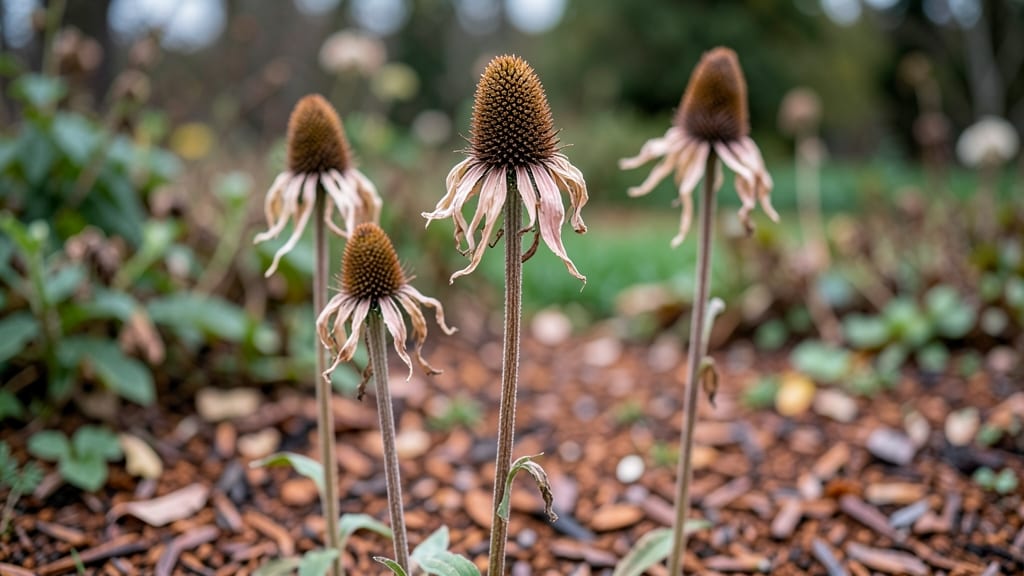
Those zero-twist echinacea seed heads are nature’s perfect seed-saving gift—no fuss, no tangling, just dry, papery pods ready to crack open. 🌿 I’ve saved seeds from my purple coneflowers for years, and the process gets easier every time you do it.
The key is patience: leave the spent blooms standing through winter, and by spring, you’ll have a stash of seeds for next season’s garden. You’ll need just a few tools: sharp scissors, a paper bag for drying, and a sunny windowsill.
Once the seed heads turn brown and brittle (usually by late fall or early winter), snip them off and let them dry completely. The seeds inside are tiny but mighty—just one plant can yield hundreds for replanting or sharing.
By spring, you’ll have plump, viable seeds that sprout with minimal fuss. These aren’t just for gardening, though—they’re great for dried arrangements or even bird feeders. The dried seed heads add texture and movement to winter bouquets, and birds love the late-season snack.
This method works for all echinacea varieties, from classic purple to white or green. No special skills needed—just a little observation and timing. Let’s turn those seed heads into next year’s garden starters!
📚 In This Guide
- What you need
- Instructions
- Tips and common mistakes
- Wrapping up and next steps
What you need
- ● Mature echinacea plants – Choose healthy, disease-free plants with fully developed seed heads (typically late summer to early fall).
- ● Pruning shears or sharp scissors – For cleanly harvesting seed heads without damaging the plant.
- ● Paper bags or breathable seed-saving envelopes – 1-2 per plant (labeled with plant variety and date).
- ● Drying rack or screen – A flat, well-ventilated surface (like a mesh screen or open cardboard box).
- ● Air-dry environment – A dry, shaded spot (60-70°F is ideal) to prevent mold.
- ● Air-tight storage containers – Small jars, resealable bags, or seed vaults with desiccant packets.
- ● Labeling tags – Waterproof labels or masking tape + marker for tracking varieties.
- ● Fine mesh sieve or colander – For separating seeds from chaff (if you’re feeling fancy!).
- ● Humidity pack or silica gel – Extra protection against moisture in long-term storage.
- ● Gloves – If you’re sensitive to plant fibers or pollen.
- ● Camera or notebook – To document seed head progress for future reference.
How to save echinacea seeds from dried seed heads
Saving echinacea seeds is easier than it looks—no fancy tools or complicated steps required.
🌿 Step 1: Harvest Ripe Seed Heads
Wait until the seed heads turn a deep, papery brown and the petals have fallen off naturally. You'll know they're ready when the cone-shaped center stands upright and feels dry to the touch. Use clean, sharp scissors to cut the entire seed head from the stem, leaving about 1 inch of stem attached.
Harvest on a dry day to prevent moisture from encouraging mold. I like to work in the morning when the dew has evaporated but the air is still cool. Place the seed heads in a paper bag or open mesh bag to dry further before processing.
🌱 Step 2: Dry and Prepare Seed Heads
Spread the harvested seed heads on a clean, dry surface in a single layer. Let them dry for 3-5 days in a warm, dry place with good air circulation. You'll see the seed heads become even lighter in color and brittle to the touch.
Once fully dry, gently rub the seed heads between your hands or use a clean, dry cloth to release the seeds. The seeds will fall out easily, while the chaff and debris will stay behind. I find it easiest to do this over a large piece of paper or a shallow tray to catch the seeds.
✂️ Step 3: Clean and Store Seeds
Use a fine-mesh sieve or sifter to separate the seeds from the remaining chaff. Shake gently over the sieve until only clean seeds remain. The echinacea seeds are small and dark brown with a slightly ribbed texture.
Store the clean seeds in a cool, dry place in a sealed container or envelope. I like to label the container with the variety and date. These seeds can remain viable for 2-3 years if stored properly, though they often germinate best when used within the first year.
💧 Step 4: Stratify Seeds for Better Germination
Echinacea seeds benefit from a cold stratification period to mimic natural winter conditions. Place the seeds in a sealed container with a small amount of slightly damp sand or vermiculite. Store the container in the refrigerator for 4-6 weeks.
After stratification, plant the seeds in well-draining soil at a depth of about ¼ inch. Keep the soil consistently moist but not soggy. You should see germination in 10-30 days, depending on the variety and conditions.
Tips & tricks for perfect echinacea seed saving
Between us, saving echinacea seeds doesn't need to be complicated—just a few smart tricks to make it foolproof.
Timing for Harvest: I can't stress this enough—wait until the seed heads are completely dry and the petals have fallen off naturally. If you harvest too early, the seeds won't be mature enough to store properly. The 1-inch stem attachment helps prevent the seed heads from breaking apart during drying. Confession: I skipped this step once and ended up with seeds that wouldn't germinate.
Drying Strategy: The 3-5 day drying period is critical for removing all moisture. I like to place my seed heads on a screen or mesh bag to allow air to circulate on all sides. This prevents mold and makes the seed release process much easier. If your climate is humid, consider using a fan on low to speed up the process without damaging the delicate seed heads.
Cleaning Efficiency: For Step 3, a fine-mesh sieve works best, but I've found that a clean kitchen towel works too—just shake the seed heads over it and gently rub. The seeds will fall through while the chaff stays behind. This method saves time and avoids buying specialized equipment. Just be patient and do it over a dark surface to spot the tiny seeds more easily.
Stratification Shortcut: If you're short on time, you can reduce the 4-6 week stratification period to 3-4 weeks, though germination rates may be slightly lower. I've also had success using a damp paper towel instead of sand in a sealed container—just keep it in the fridge and check periodically to ensure it stays moist but not soggy.
Pro Tips for Echinacea Seed Heads
- Between us, saving echinacea seeds doesn't need to be complicated—just a few smart tricks to make it foolproof.
- Timing for Harvest: I can't stress this enough—wait until the seed heads are completely dry and the petals have falle...
- Drying Strategy: The 3-5 day drying period is critical for removing all moisture. I like to place my seed heads on a ...
Frequently asked questions
Got questions about harvesting and saving echinacea seed heads? You’re not alone! Here are some of the most common queries—plus straightforward answers to help you master the process like a pro.
When is the best time to harvest echinacea seed heads?
The ideal time to harvest is when the seed heads turn light brown and the petals have fully dried and fallen off (usually late summer to early fall). Wait too long, and the seeds may scatter or lose viability. Pro tip: Harvest on a dry day to prevent mold—morning is perfect!
How do I know if the seeds are ready to save?
Ready-to-save seeds should rattle when gently shaken (a sign they’re dry inside) and open slightly to reveal fluffy, papery seed clusters. If the seed head feels damp or the seeds stick together, they’re not ready yet. Check: Squeeze a seed head—if it crumbles easily, it’s harvest time!
Can I save seeds from store-bought echinacea plants?
Technically yes, but there’s a catch! Store-bought plants may be hybrids, meaning their seeds won’t always grow true to the parent plant (color, size, or hardiness could vary). For consistent results, save seeds from open-pollinated varieties or heirloom echinacea. Bonus: Supporting local nurseries with seed-saving varieties helps biodiversity!
What should I do if birds or squirrels eat my seed heads before I can harvest?
Don’t worry—this happens to everyone! Cover seed heads with fine mesh bags or paper bags once they’re mature but before they fully dry. Secure them loosely so airflow keeps seeds dry. Alternative trick: Harvest a few heads early and let them dry indoors to buy time.
How do I store echinacea seeds for next year’s planting?
Store seeds in a cool, dry place (like a sealed envelope or jar) for up to 2 years. Label them with the harvest date! For extra freshness, keep them in the fridge. Avoid: Plastic bags (they trap moisture). Fun fact: Echinacea seeds are non-toxic, so even kids can help with storage!
Wrapping up and next steps
Echinacea seed heads offer a simple, rewarding way to save seeds and grow these vibrant blooms year after year—without the fuss! 🌱 Whether you're a seasoned gardener or just starting, their zero-twist pods make the process effortless.
Now that you’re equipped with the know-how, why not give it a try?
Ready to expand your garden? Grab a pair of scissors, head outdoors, and let nature do the rest—your future echinacea plants will thank you! 🌸