
Lawn
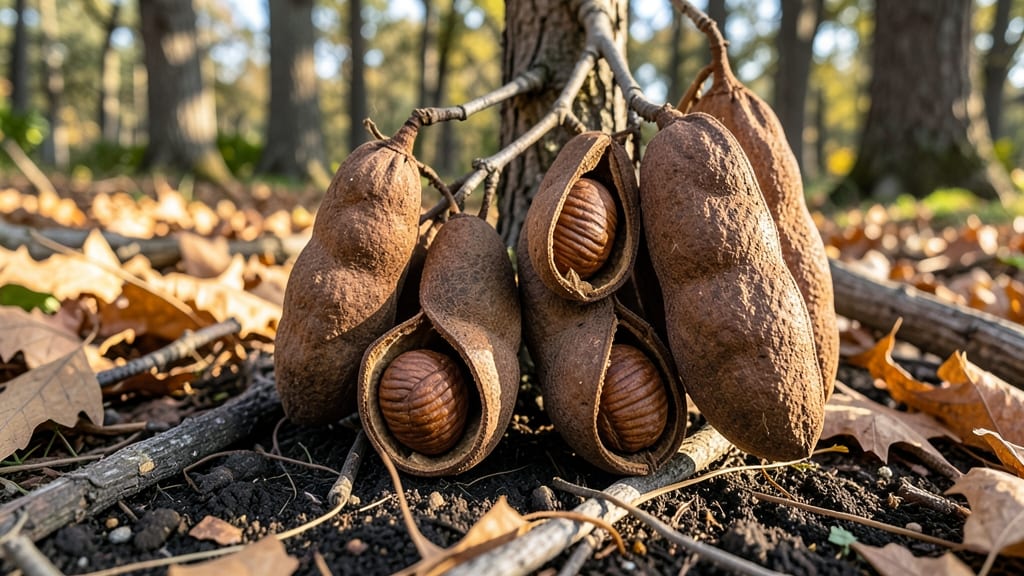
Finding hickory seed pods that actually yield strong trees requires patience and the right timing. 🌰 I’ve cracked the code after years of watching my collected seeds either rot or sprout too late—here’s how to harvest, process, and plant them for reliable germination next spring.
The key is knowing when to harvest—wait until the pods turn deep brown and split open naturally, usually in late fall. Once you’ve got them, crack them open to remove the nuts, then soak them in water for 24 hours to remove any remaining husk.
This simple step prevents mold and speeds up germination.
After drying the nuts, store them in a moist, cool spot (like a sealed container with damp sand) for 3-4 months to mimic winter conditions. By spring, you’ll have seeds ready to plant 1-2 inches deep in well-draining soil—just like nature intended.
Most gardeners quit here, but the real secret is keeping the soil consistently moist (not soggy) during the first growing season. Young hickories are slow starters, so don’t be discouraged if you don’t see sprouts until late spring or early summer—patience pays off with sturdy, disease-resistant trees.
📚 In This Guide
- What you need
- Instructions
- Tips and common mistakes
- Wrapping up and next steps
What you need
- ● Fresh hickory seed pods: Collect 10–20 mature, brown pods (avoid green or shriveled ones). Aim for late fall or early winter for the best viability.
- ● Pruning shears or sharp knife: For safely snipping pods from branches (sterilize with rubbing alcohol if reusing).
- ● Paper towels or newspaper: 2–3 sheets to line a tray for drying seeds.
- ● Plastic storage bag or container: With a zip-top or lid (quart-sized works well).
- ○ Small mesh bag or breathable fabric sack: For cold stratification (optional but recommended).
- ● Potting soil mix: Lightweight, well-draining blend (e.g., 50% peat moss, 30% perlite, 20% sand).
- ● Small pots or seed trays: 4–6 inch diameter (biodegradable pots are eco-friendly!).
- ● Spray bottle with water: For gentle moisture control.
- ● Labeling tags & marker: To track pod collection dates and varieties.
- ● Gloves: Protect your hands from sticky sap or thorns.
- ● Refrigerator or cold frame: For stratification (simulates winter conditions).
- ● Heating mat: Speeds up germination (set to 70–75°F).
- ● Humidity dome: Keeps seedlings cozy while sprouting.
- ● Notebook or app: Log germination progress and seedling growth.
Step-by-step guide to harvesting and processing hickory seed pods
Here's how to collect, prepare, and store hickory nuts for next year's planting—no twisting required.
🌿 Step 1: Identify and Select Mature Seed Pods
Hickory seed pods mature in late fall when they turn from green to brown and begin splitting open. Look for pods that are fully dry and brittle to the touch—these contain the most viable seeds. Avoid any pods still attached to the tree with green or partially brown sections, as they won't produce good seeds.
Gently shake the tree branches or use a long pole to dislodge pods from higher branches. Collect pods that fall naturally to the ground first, as these are often the ripest. Wear gloves if you're sensitive to the rough husks—they can be abrasive against bare skin.
🪴 Step 2: Extract Seeds from the Pods
Spread the collected pods on a clean tarp or large tray in a dry, shaded area. Use a hammer or mallet to gently crack open the pods—don't pulverize them, just split them along the natural seams. This releases the seeds while keeping them intact. You'll hear a satisfying crack when done correctly.
Remove any debris or empty shells, then separate the seeds from the husks. Good seeds will feel firm and heavy in your hand, while shriveled or hollow-sounding seeds should be discarded. A quick float test works well: place seeds in a bowl of water—viable ones sink, while empty or damaged ones float.
☀️ Step 3: Dry and Store Seeds for Planting
Spread the viable seeds in a single layer on a screen or paper towels in a well-ventilated area out of direct sunlight. Let them dry for 7-10 days until completely dry to the touch. Proper drying prevents mold and ensures long-term viability. You'll know they're ready when the shells feel hard and papery.
Once dry, store the seeds in an airtight container filled with a desiccant like silica gel or uncooked rice. Keep the container in a cool, dark place—40-50°F is ideal. Label the container with the date and hickory variety if known. Under these conditions, seeds remain viable for 1-2 years, though germination rates drop after the first year.
⏰ Step 4: Stratify Seeds for Spring Planting
Hickory seeds require stratification to break dormancy. Place the seeds in a plastic bag with a moist paper towel, then refrigerate for 60-90 days. Check monthly to ensure the towel stays damp but not soggy. This mimics winter conditions and signals the seed it's time to germinate.
After stratification, plant the seeds 1 inch deep in well-draining soil in spring. Keep the soil consistently moist but not waterlogged until germination, which typically occurs in 4-8 weeks. Young hickory trees grow slowly, so patience is key—they won't produce nuts for 10-15 years but are worth the wait.
Tips & tricks for perfect hickory seed pod harvesting
Here’s what I’ve learned after years of working with hickory seeds—these tricks will help you maximize your harvest and ensure the best possible germination rates.
Timing is Everything: The window for collecting mature hickory seed pods is narrow—wait until pods are fully brown and beginning to split open, but don’t wait until they’ve completely released their seeds. I’ve found that late October through early November is ideal in most climates. If you miss this window, you might end up with seeds that have already sprouted or been eaten by wildlife. Watch for pods that rattle when shaken—this is your signal they’re ready.
Tool Selection Matters: A rubber mallet or small hammer works best for cracking open the pods in Step 2, as it gives you more control than a heavy hammer. I’ve also found that placing pods on a thick towel or rubber mat prevents them from bouncing around and potentially damaging the seeds inside. This step can be surprisingly therapeutic—there’s something satisfying about that crisp crack when you hit just right.
Drying Strategy: The 7-10 day drying period in Step 3 is crucial, but don’t rush it. I’ve learned the hard way that insufficient drying leads to moldy seeds. Place your drying tray in a spot with good airflow—near an open window or under a fan—but keep it out of direct sunlight to prevent overheating. The seeds should feel completely dry and make a hollow sound when tapped together. If you’re in a humid climate, you might need to extend this to 12-14 days.
Storage Wisdom: When storing your seeds at 40-50°F, I recommend using a vacuum-sealed bag with silica gel packets for maximum protection against moisture. The cool, dark conditions are essential—even a slightly warmer spot can reduce viability. I’ve had success storing seeds in the back of my refrigerator where temperatures stay consistently around 40°F. Labeling each container with the collection date helps you track how long they’ve been stored and when to prioritize planting.
Pro Tips for Hickory Seed Pods
- Here’s what I’ve learned after years of working with hickory seeds—these tricks will help you maximize your harvest a...
- Timing is Everything: The window for collecting mature hickory seed pods is narrow—wait until pods are fully brown an...
- Tool Selection Matters: A rubber mallet or small hammer works best for cracking open the pods in Step 2, as it gives ...
Frequently asked questions
Got questions about hickory seed pods?
You’re not alone! Whether you’re curious about timing, harvesting, or troubleshooting, we’ve got answers to help you grow like a pro.
When is the best time to harvest hickory seed pods?
Harvest hickory seed pods when they’re brown and dry but before they split open—usually in late fall (October–November). If they crack too soon, squirrels or wind will scatter the seeds. Check pods weekly once they turn from green to tan!
How do I tell if a hickory seed pod is viable for planting?
Viable pods should be plump, dry, and heavy for their size. Tap them—if they sound hollow, they’re empty. For extra assurance, crack one open: seeds should be firm, plump, and dark brown. Discard any shriveled or moldy seeds!
What can I do if squirrels keep stealing my seed pods?
Squirrels are sneaky! Try these tricks:
- Harvest early—pick pods before they fully ripen.
- Use mesh bags or bird netting to cover trees.
- Scatter distracting snacks (like corn or peanuts) far from your hickory tree.
Can I grow hickory trees from seed pods, or should I buy seedlings?
You can grow from seed pods—it’s rewarding but slow (germination takes 1–3 months). Seedlings from nurseries grow faster, but pods are free and fun for DIYers! Soak seeds in water for 24 hours before planting to speed up germination.
What do I do if my hickory seed pods develop mold or rot?
Mold or rot usually means excess moisture during storage. To prevent it:
- Store pods in a cool, dry place (like a paper bag with holes).
- Avoid plastic—it traps humidity.
- Discard any fuzzy or discolored pods immediately.
Wrapping up and next steps
Hickory seed pods are nature’s gift for expanding your woodland or adding a touch of rustic charm to your landscape! 🌳 With the right timing, tools, and patience, you can harvest viable seeds to grow thriving hickory trees—no twists or frustrations in sight.
Whether you’re a seasoned gardener or a curious beginner, this guide has given you the keys to success, from identifying ripe pods to storing seeds for next year.
Now that you’re armed with knowledge, take the next step: mark your calendar for late fall, gather your tools, and head outdoors! Observe those hickory trees, and when the pods are ready, you’ll be the one reaping the rewards—literally.
Happy harvesting, and may your future hickory grove flourish! 🌱✨