
Planting
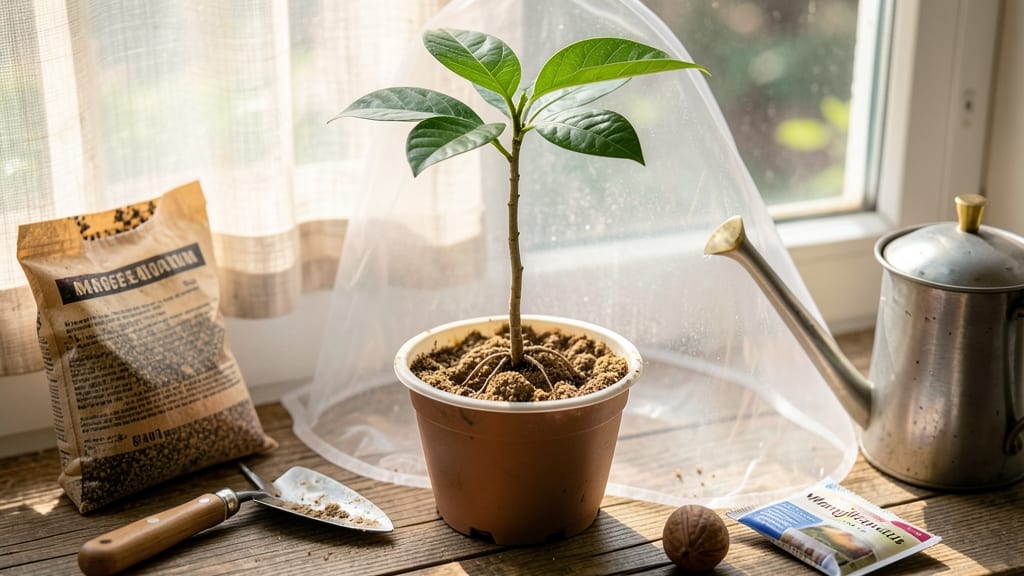
Planting a mango seed in soil unlocks a tropical adventure right in your kitchen. 🌱 The key to 3-week germination starts with soaking the pit for 5-7 days—this softens the hard shell and kickstarts root growth before you even plant it.
I’ve tried this with grocery-store mangoes, and the first green shoot always feels like magic after weeks of waiting.
You’ll need a small pot with drainage, a mix of potting soil and perlite (to prevent rot), and patience—because this isn’t a fast-growing houseplant. The secret? Keeping the soil moist but not soggy and placing the pot in bright, indirect light.
Too much water drowns the seed; too little stalls germination. I learned that the hard way when my first attempt turned moldy.
Within 2-3 weeks, you’ll spot tiny roots breaking through the soil, followed by a sprout reaching for the light. By month 3, you’ll have a 6-inch sapling that looks nothing like its fruiting parent—because seed-grown mangoes rarely produce the same fruit.
Still, the journey is worth it for the lush, glossy leaves and the thrill of nurturing a tree from scratch.
Troubleshooting is simple: if the seed rots, it’s too wet; if nothing happens after 4 weeks, try soaking it longer. Most failures come from impatience or inconsistent moisture. Stick with it, and you’ll have a living piece of tropical history growing on your windowsill—even if it never bears fruit.
📚 In This Guide
- What you need
- Instructions
- Tips and common mistakes
- Wrapping up and next steps
What you need
- ● Mango seed: 1 fresh, plump seed (preferably from a ripe, organic mango—avoid hybrid varieties like Keitt or Tommy Atkins, as they may not grow true to fruit).
- ● Small pot or container: 1 with drainage holes (4–6 inches in diameter; plastic, ceramic, or biodegradable pots work).
- ○ Well-draining potting mix: 1 bag of high-quality, sterile mix (look for keywords like "seed starting" or "cactus/succulent blend" for aeration). Optional: Mix in 20% perlite or vermiculite for extra drainage.
- ● Watering can or spray bottle: 1 with a fine mist nozzle (to avoid overwatering).
- ● Plastic wrap or humidity dome: 1 sheet (to create a mini greenhouse effect).
- ○ Heat source (optional but helpful): A seedling heat mat (70–85°F) or a sunny windowsill (south-facing is ideal).
- ● Fertilizer: A balanced, water-soluble fertilizer (diluted to half-strength) for when sprouts appear (e.g., 5-5-5 or 10-10-10 NPK ratio).
- ● Grow lights: LED or fluorescent lights (if natural light is limited; 12–16 hours/day).
- ● Label or marker: To track planting dates (mango seeds can take weeks to germinate!).
- ● Transplant container: A slightly larger pot (6–8 inches) for when your seedling outgrows its first home.
Step-by-Step instructions for planting a mango seed in soil
Here's my foolproof method for turning that grocery store mango pit into a thriving seedling.
🌱 Step 1: Prepare the Mango Seed for Planting
Start by cleaning your mango seed thoroughly under running water to remove any remaining fruit pulp. This prevents mold from forming during germination. Let it dry completely on a paper towel for about 24 hours—you'll know it's ready when the outer shell feels slightly rough to touch.
Here's the thing—mango seeds have a hard outer shell that slows germination. To speed things up, I like to gently score the seed with a sharp knife along one side, being careful not to cut too deep or damage the inner seed. This tiny nick helps water penetrate and kickstarts the sprouting process.
💧 Step 2: Plant the Seed in Moist Potting Mix
Fill a small pot—about 4-6 inches deep—with well-draining potting mix. I use a mix of 50% potting soil and 50% perlite to ensure good aeration. Moisten the soil until it's damp but not soggy—think of a wrung-out sponge. Press the soil down lightly to create a firm planting surface.
Plant the scored side down, about 1 inch deep in the soil. The seed should sit upright, not on its side. Water gently around the seed, avoiding direct contact with it. Place the pot in a warm spot, ideally between 75-85°F, like on top of a refrigerator or near a sunny window.
☀️ Step 3: Maintain Warmth and Moisture for Germination
Keep the soil consistently moist but never waterlogged. I check the moisture level by sticking my finger about 1 inch deep—if it feels dry, it's time to water. A clear plastic bag loosely draped over the pot creates a mini greenhouse effect, trapping warmth and humidity. Remove the bag for 10 minutes daily to prevent mold.
Germination can take anywhere from 2-4 weeks, but don't be surprised if you see a tiny sprout in as little as 10 days. The first sign of life is usually a small crack in the seed shell, followed by a thin, delicate root pushing through. Once the sprout reaches about 2 inches tall, it's time to transition it to brighter light.
🪴 Step 4: Transplant and Care for the Seedling
When the seedling has 2-3 true leaves (the first pair of leaves after the initial seed leaves), it's ready for a larger pot. Choose a container that's at least 6 inches deep and fill it with fresh potting mix. Gently remove the seedling from its original pot, being careful not to damage the roots, and replant it at the same depth it was growing before.
Place the seedling in a spot with bright, indirect light for the first week. Direct sunlight can scorch young leaves, so I start with a few hours of morning sun and gradually increase exposure. Water the seedling when the top 1 inch of soil feels dry, and always water at the base to keep the leaves dry and prevent fungal diseases.
⏰ Step 5: Encourage Healthy Growth and Patience
Mango seedlings grow slowly at first, so don't expect rapid progress. I fertilize mine with a diluted liquid fertilizer every 4-6 weeks once the seedling has been in its new pot for a month. Use half the recommended strength to avoid burning the young plant. Keep the soil consistently moist but well-draining, and rotate the pot occasionally to ensure even growth.
Real talk: it can take 3-5 years for a mango seedling to bear fruit, but the journey is rewarding. Watch for signs of pests like aphids or mites, and treat them immediately with insecticidal soap. With patience and care, your mango seedling will grow into a beautiful tree that might just produce fruit someday!
Tips & tricks for planting a mango seed
These little tricks will help you turn that grocery store mango pit into a thriving young tree in no time.
Seed Prep Secret: After cleaning your seed for 24 hours, I recommend soaking it in warm water for 12 hours before scoring. This softens the shell just enough to make the nicking step in Step 1 even more effective. The seed will feel slightly heavier after soaking, which is your cue it's ready for the knife. Just don't let it soak longer than 24 hours total or it may start to rot.
Soil Mix Matters: The 50/50 potting soil and perlite mix in Step 2 is perfect, but if you don't have perlite, coconut coir works just as well for aeration. The key is avoiding compacted soil that could suffocate your seed. I press the soil down just enough to create a firm surface—think of it like making a small bowl shape around the seed so water can pool slightly without touching it directly.
Germination Timing: Those 2-4 weeks for germination can feel like forever, but here's what to watch for: The first sign of life is usually a tiny white root pushing through the scored side. Don't be tempted to peek too often—every time you lift the plastic bag, you risk losing precious humidity. I set a reminder to check moisture levels every other day instead.
Light Transition Hack: When your sprout reaches 2 inches in Step 3, I recommend moving it to a south-facing window if possible. Mango seedlings love bright light but need time to adjust. Start with just 2 hours of direct sun in the morning, then gradually increase by 30 minutes each day. This slow transition prevents leaf scorch while helping the seedling develop strong stems.
Pro Tips for Plant Mango Seed In Soil
- These little tricks will help you turn that grocery store mango pit into a thriving young tree in no time.
- Seed Prep Secret: After cleaning your seed for 24 hours, I recommend soaking it in warm water for 12 hours before sco...
- Soil Mix Matters: The 50/50 potting soil and perlite mix in Step 2 is perfect, but if you don't have perlite, coconut...
Frequently asked questions
Got questions about growing a mango tree from seed? You’re not alone! Here are answers to the most common queries to help you succeed:
How long does it take for a mango seed to germinate?
A mango seed typically germinates in 3 to 6 weeks, depending on temperature and moisture. Keep the soil consistently damp (not soggy) and place it in a warm spot (75–85°F). Patience is key—some seeds take longer, but don’t give up after 2 months!
Can I plant a mango seed directly in the ground?
While possible, it’s riskier than starting indoors. Direct planting works best in warm climates (USDA Zones 10–11) with no frost. If you live in a cooler area, start the seed in a pot first to protect it from cold snaps. Young seedlings are delicate!
Will my mango seedling actually produce fruit?
Most mango seedlings grown from store-bought seeds won’t bear true-to-type fruit—they may take 5–10 years to produce (if at all) and could be small or different from the parent. For reliable fruit, consider grafting or buying a grafted sapling from a nursery.
What do I do if my mango seed rots or mold grows?
Overwatering or poor drainage causes rot. If you see mold or a foul smell, remove the seed and let it dry for a day before replanting in fresh, well-draining soil. Use a small pot with drainage holes to prevent future issues. Keep humidity moderate—too much moisture = mold heaven!
Can I use a dried mango seed, or does it need to be fresh?
Fresh seeds (from ripe mangoes) germinate best, but dried seeds can still work if stored properly (cool, dry place). Soak dried seeds in water for 24 hours before planting to rehydrate. Just avoid seeds that smell off or look shriveled—they’re past their prime!
Wrapping up and next steps
Planting a mango seed is a rewarding journey that connects you to nature’s sweet surprises! 🌱 With the right soil, patience, and care, you can nurture a tiny seed into a thriving sapling in just three weeks.
Remember, consistency is key—water gently, keep it warm, and watch as your green thumb grows stronger with each sprouting leaf.
Now that you’re ready to start, why not share your progress? Snap photos of your seedling’s growth or tag fellow plant lovers online—your story might inspire someone else to try their hand at mango magic! Happy planting! 🌟