
Lawn
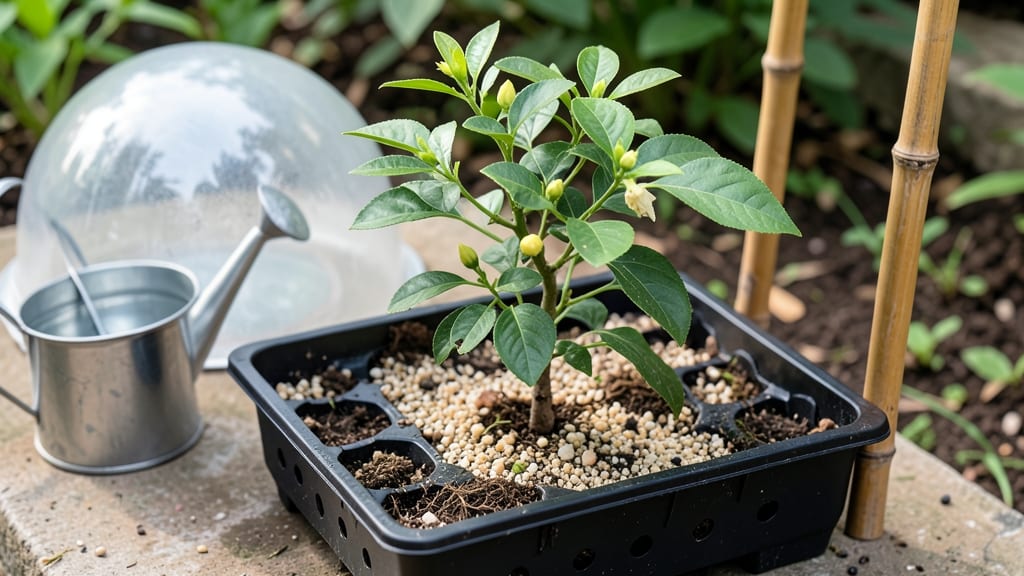
Watching lemon seed growth feel like cheating the system—sweet, tangy fruit without the nursery price tag. 🌱 I’ve turned my kitchen counter into a mini citrus grove, and the secret isn’t fancy equipment but patience and the right conditions.
Those tiny seeds hold the potential for a tree that could fruit in 3-5 years with proper care, and the journey is half the fun.
The real magic happens in the first 6-12 weeks, when those seeds finally crack open into tiny green shoots. You’ll need a warm spot (70-85°F), bright light, and soil that drains like a sponge—no soggy roots allowed.
Most people rush this step, but slow and steady wins the race. Trust me, the wait is worth it when you see that first true leaf.
By the time your seedling hits 6 inches tall, you’ll be pinching back new growth to encourage bushiness. That’s when the real adventure begins—deciding whether to keep it indoors (where it’ll stay small but productive) or move it outside (where it’ll grow tall but needs winter protection).
Either way, you’re building a living heirloom.
Here’s the kicker: even if your tree never bears fruit, the lush foliage and fragrant blossoms make it a showstopper. And if you do get lemons? Homemade lemonade never tasted so rewarding. Let’s get those seeds sprouting—your future citrus tree is waiting.
📚 In This Guide
- What you need
- Instructions
- Tips and common mistakes
- Wrapping up and next steps
What you need
- ● Fresh lemon seeds – 3–5 seeds per pot (from organic, seed-bearing lemons for best results).
- ● Seed-starting mix – 1–2 cups of sterile, well-draining potting soil (avoid garden soil).
- ● Small pots or seed trays – 3–4 inch diameter pots (or biodegradable peat pots) with drainage holes.
- ● Plastic wrap or clear lid – To create a humidity dome for germination.
- ● Spray bottle – For gentle watering (avoid over-saturating seeds).
- ● Sunlight or grow lights – A south-facing window or LED grow light (12–16 hours/day).
- ○ Fertilizer (optional but helpful) – A balanced, water-soluble fertilizer (5-5-5 or 10-10-10) for seedlings.
- ● Tweezers or toothpick – For carefully placing seeds in soil.
- ○ Heat mat (optional) – Speeds up germination (70–80°F is ideal).
- ○ Humidity tray (optional) – Keeps moisture consistent without overwatering.
- ● Pruning shears – For trimming seedlings as they grow.
- ● Larger pots (6+ inches) – For transplanting once seedlings sprout true leaves.
Step-by-step instructions for growing lemon trees from seed
Here's how to turn those grocery-store seeds into a thriving citrus tree—no green thumb required.
🌱 Step 1: Extract and Soak the Seeds
Save the seeds from fresh lemons (the larger ones work best). Rinse them thoroughly to remove any fruit residue, then pat them dry with a paper towel. Place them in a small bowl of warm water and let them soak for 24 hours—this softens the outer coating and kickstarts germination.
I like to use a shallow dish so the seeds don’t sink to the bottom. After soaking, check for any seeds that float—they’re likely not viable. Discard those and keep only the ones that sink. This step is crucial because dry seeds can take weeks to sprout, if they sprout at all.
🪴 Step 2: Plant in Well-Draining Soil
Fill a small pot (about 4 inches deep) with a mix of potting soil and perlite—I use a 3:1 ratio for drainage. Plant the soaked seeds ½ inch deep, spacing them about 1 inch apart. Gently press the soil around them so they stay in place but don’t compact it too tightly.
Water lightly until the soil feels moist but not soggy. Place the pot in a warm spot (70-75°F) with bright, indirect light. A south-facing window works well, but avoid direct sunlight at first—it can dry out the soil too quickly. Cover the pot loosely with plastic wrap to retain humidity, but leave a small gap for airflow.
☀️ Step 3: Provide Consistent Light and Water
Once the seeds sprout (usually in 7-14 days), remove the plastic wrap immediately to prevent mold. Keep the soil consistently moist—water when the top inch feels dry—but never let it sit in standing water. Lemon seedlings are sensitive to overwatering, so I use a spray bottle for gentle hydration.
After the first set of true leaves appears (not the initial seed leaves), move the seedlings to a sunny window or under a grow light for 12-14 hours daily. You’ll notice the stems thicken and leaves darken as they strengthen. This is your signal they’re ready for the next phase.
✂️ Step 4: Transplant and Prune for Shape
When the seedlings reach 6-8 inches tall, transplant them into larger pots (6-8 inches deep) with fresh potting mix. Choose pots with drainage holes to prevent root rot. Handle the seedlings carefully—they’re fragile at this stage. After transplanting, water deeply and place them back in bright, indirect light for a week to recover.
Once established, pinch off the top set of leaves to encourage bushier growth. This might sound counterintuitive, but it prompts the plant to branch out instead of growing tall and leggy. Prune again in spring to shape the tree and remove any dead or yellowing leaves—this keeps the plant healthy and productive.
💧 Step 5: Care for Year-Round Growth
Lemon trees thrive in warmth and humidity, so keep them in a spot with 60-80°F temperatures year-round. If your home gets dry, mist the leaves occasionally or place a tray of water nearby to boost humidity. Fertilize lightly every 2-3 months with a balanced citrus fertilizer to support growth.
Watch for signs of pests like spider mites or aphids—wipe leaves with a damp cloth if you spot them. With patience, your seedling will eventually produce flowers and (with luck) small lemons. Even if it doesn’t fruit right away, the process is rewarding. Real talk: It might take 3-5 years for a seed-grown lemon tree to bear fruit, but the journey is worth it.
Tips & tricks for perfect lemon seed growth
Here's what nobody tells you about growing lemon trees from seed—these tricks will help you avoid the most common pitfalls and set your seedlings up for success.
The Soaking Secret: Don't just toss those seeds in water and forget about them. After the initial 24-hour soak, I like to give them a quick rinse and change the water every 12 hours for the first 2 days. This keeps the water fresh and oxygenated, which helps prevent mold and speeds up germination. Use a mesh strainer or fine sieve to drain them gently—no scrubbing!
Soil Mix Matters: While the 3:1 ratio of potting soil to perlite works well, I've found that adding a handful of coarse sand to the mix improves drainage even more. This prevents the roots from sitting in soggy conditions, which can cause rot. Also, avoid garden soil—it's too dense and can suffocate young roots.
Light Transition Tip: When moving your seedlings to a sunny window after the true leaves appear, do it gradually. Start with just 2 hours of direct sunlight per day and increase by 1 hour every other day. This prevents sunburn on tender leaves. I place mine near an east-facing window first, then move to south-facing as they strengthen.
Pruning Pro Tip: That first pinch when your seedlings reach 6-8 inches is crucial, but timing matters. Wait until you see at least 4-5 sets of true leaves before pruning. This ensures the plant has enough energy stored to branch out properly. After pruning, give the plant a light fertilizer application to help it recover and encourage new growth.
Pro Tips for Lemon Seed Growth
- Here's what nobody tells you about growing lemon trees from seed—these tricks will help you avoid the most common pit...
- The Soaking Secret: Don't just toss those seeds in water and forget about them. After the initial 24-hour soak, I lik...
- Soil Mix Matters: While the 3:1 ratio of potting soil to perlite works well, I've found that adding a handful of coar...
Frequently asked questions
Got questions about growing lemon seeds into thriving plants? You’re not alone!
Here are answers to the most common queries—from impatient gardeners to troubleshooters—so you can avoid the lemon seed growth struggles and enjoy year-round harvests.
How long does it take for lemon seeds to sprout?
Patience is key! Lemon seeds typically sprout within 2–4 weeks if kept warm (70–80°F) and moist. If your seeds take longer, check for overwatering (root rot risk) or cold drafts. Pro tip: Soak seeds in water for 24 hours before planting to kickstart germination.
Can I grow a lemon tree from a grocery store lemon seed?
Store-bought lemon seeds will grow, but expect a bitter, seedy lemon (not sweet like commercial varieties). For better flavor, try seeds from organic, heirloom, or Meyer lemons. Just avoid hybrid lemons—they won’t produce true fruit.
Why are my lemon seedlings dying? Common fixes!
Yellow leaves? Leggy stems? Here’s the troubleshooting cheat sheet:
Wilting or mold? Overwatering—let soil dry slightly between waterings.
Stunted growth? Low light—move to a south-facing window or use grow lights.
Brown spots? Fungal infection—spray with neem oil or improve airflow.
Pro tip: Transplant seedlings to well-draining pots (like terracotta) at the 3–4 leaf stage.Do lemon trees need full sun indoors?
Yes! Lemon trees thrive on 6–8 hours of direct sunlight daily. Indoors, place them near bright windows (south or west-facing). If natural light is lacking, supplement with LED grow lights (12–16 hrs/day). Watch for: Leaves curling = too much sun; stretching = not enough.
When will my lemon tree produce fruit?
Don’t rush it! Homegrown lemon trees take 3–5 years to bear fruit—even with perfect care. Speed things up by:
- Using Meyer lemon seeds (faster fruiting than regular lemons).
- Fertilizing with citrus-specific nutrients (high in zinc and magnesium).
- Hand-pollinating flowers with a soft brush (lemon trees are self-pollinating but benefit from help!).
Wrapping up and next steps
Growing lemons from seed is a rewarding journey that brings fresh, homegrown citrus to your table year-round—without the fuss of grafting! 🌱 With the right soil, sunlight, and patience, you’ll soon enjoy the sweet taste of success.
Whether you’re a green thumb or just starting, every seed planted is a step toward a brighter, fruit-filled future.
Ready to take the next step? Start with just one seed today! Share your progress with fellow gardeners or experiment with different varieties—your citrus garden adventure begins now. 🍋✨