
Lawn
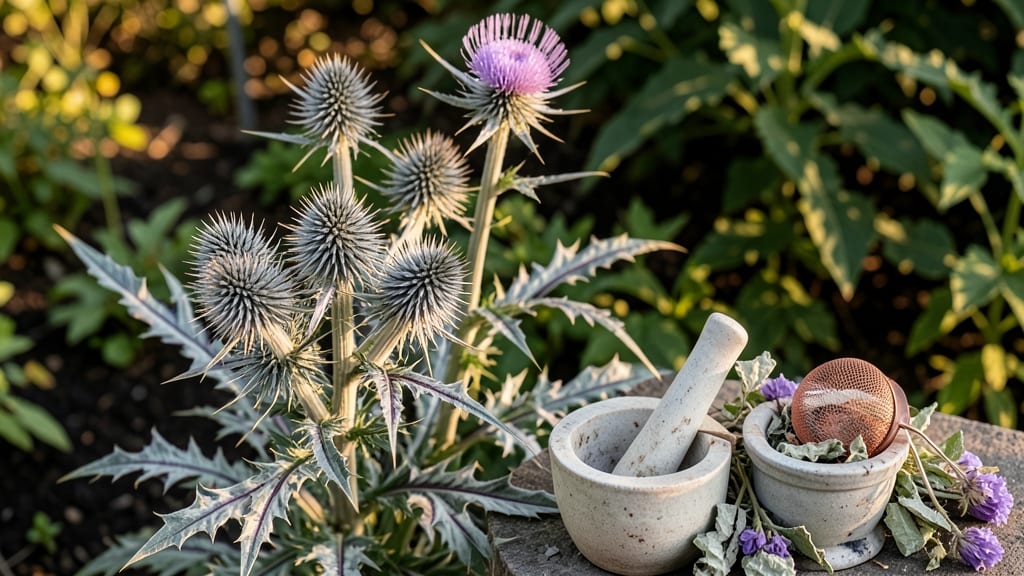
Harvesting milk thistle seeds for tea starts with patience—wait until the spiky purple flowers turn into brown, dry seed heads by late summer. 🌿 I learned the hard way that picking too early means bitter, underdeveloped seeds, while waiting too long risks losing them to birds or rain.
The right timing transforms a weedy-looking plant into your homegrown liver-supporting remedy.
Once harvested, drying is critical: spread seed heads upside down in a well-ventilated spot for 2-3 weeks, shaking occasionally to release the seeds.
Store them in airtight jars away from light—properly dried seeds keep for up to 2 years, making this a sustainable way to stock your herbal cabinet. Just avoid crushing the seeds before brewing, or you’ll end up with a muddy, unpleasant tea.
Brewing is simple: steep 1 teaspoon of seeds in 1 cup boiling water for 10-15 minutes, then strain. The result is a deep amber tea with a rich, earthy bitterness—nothing like store-bought blends.
Use it daily for a gentle herbal tonic, but remember, consistency matters more than intensity. Start with small amounts to let your body adjust.
This process works whether you’re growing milk thistle in your garden, a container, or even wild-harvesting (with caution). The key is timing and drying—get those right, and you’ve got a year-round supply of nature’s liver-supporting brew.
Just don’t expect miracles; think of it as a supportive addition to a healthy lifestyle, not a cure-all.
📚 In This Guide
- What you need
- Instructions
- Tips and common mistakes
- Wrapping up and next steps
What you need
- ● Milk thistle seeds (Silybum marianum): 1–2 teaspoons (2–4 grams) per 8 oz (240 mL) of hot water. Look for organic, whole seeds (not powdered) for the best flavor and potency.
- ● Hot water: 1 cup (8 oz or 240 mL), boiled to 200–212°F (93–100°C) for optimal extraction.
- ● Tea infuser or fine-mesh strainer: To contain the seeds while brewing. A metal or glass infuser is ideal for durability.
- ● Teapot, mug, or heatproof pitcher: 8–16 oz capacity, depending on your batch size.
- ● Timer: For precise steeping (10–15 minutes is ideal). A phone timer works perfectly!
- ● Honey, maple syrup, or stevia: A dash to balance milk thistle’s bitter taste (start with ½ tsp).
- ● Lemon slices or orange peel: 1–2 thin slices to add brightness and reduce bitterness.
- ● Additional herbs: Dandelion root (½ tsp) or ginger (¼ tsp) for a liver-supporting twist.
- ● Storage container: An airtight glass jar to keep brewed tea fresh for up to 2 days in the fridge.
- ● Mortar and pestle (if using powdered seeds): To crush seeds into a fine powder for faster infusion.
Step-by-step guide to brewing milk thistle seed tea
This liver-supporting elixir is simpler than you think—just follow these precise steps for maximum potency.
🌱 Step 1: Harvest or Acquire Fresh Milk Thistle Seeds
If harvesting from your garden, collect seeds when the spiny flower heads turn golden-brown and begin to open naturally. I like to work in a well-ventilated area wearing gloves—those spines pack a punch! For store-bought seeds, ensure they're labeled Silybum marianum and organic if possible, as freshness directly impacts flavor and silymarin content.
Spread seeds on a clean towel to dry completely for 24 hours. This prevents mold during steeping. Store excess seeds in an airtight glass jar away from direct sunlight—proper storage preserves their bitter compounds for up to 6 months. Never use seeds that smell musty or look discolored, as these indicate spoilage.
💧 Step 2: Prepare the Steeping Vessel and Water
Use a quart-sized glass jar or teapot for each batch, as glass preserves the tea's delicate compounds better than metal. Bring 1 cup of filtered water to a gentle boil—boiling too hard can scorch the seeds and create bitter byproducts. Let the water cool for exactly 2 minutes before adding seeds, as milk thistle requires cooler temperatures to release its beneficial oils.
Add 1 tablespoon of seeds per cup of water—this ratio ensures a robust infusion without overwhelming bitterness. For stronger liver support, you can increase to 1.5 tablespoons, but brew time will need adjustment. Place the jar in a warm spot or use a heat-safe container with a lid to maintain consistent temperature.
☀️ Step 3: Steep for Optimal Potency
Cover the vessel and let the seeds steep for 10-15 minutes. This timeframe extracts the maximum silymarin content while preserving the tea's natural bitterness—key for liver support. You'll notice the water turns a cloudy greenish hue as the seeds release their compounds. Stir gently once halfway through steeping to ensure even extraction.
Remove from heat immediately after steeping. Strain through a fine-mesh sieve or cheesecloth into a clean glass container. Discard the seeds—they've given everything they can. The resulting tea should have a rich, earthy aroma with a pronounced bitter edge. If it tastes too harsh, add a touch of raw honey or a splash of apple cider vinegar to balance.
⏰ Step 4: Serve and Store Properly
Drink the tea immediately for peak freshness and potency. For best results, consume within 2 hours of brewing, as silymarin begins degrading after that. If you must store it, refrigerate in an airtight glass container for up to 24 hours. Reheat gently before drinking—never microwave, as this can destroy heat-sensitive compounds.
For a daily regimen, I recommend 1 cup in the morning on an empty stomach followed by another ½ cup in the evening. This timing maximizes liver support while minimizing digestive discomfort. Always start with smaller amounts if you're new to milk thistle, as its bitterness can be intense for first-time drinkers.
Tips & tricks for perfect milk thistle seed tea
These precise techniques will help you unlock the full healing potential of this ancient liver tonic—without the bitterness overwhelming you.
The Drying Factor: That 24-hour drying period isn't just about preventing mold—it's about activating the seeds' silymarin compounds. Spread them in a single layer on a clean towel, not stacked, to ensure even airflow. I've ruined batches by rushing this step, so trust the process. If you're short on time, a food dehydrator at 95°F for 12 hours works too, but monitor closely to avoid overheating.
Water Temperature Secret: The 2-minute cooling period after boiling is critical. Milk thistle seeds release their beneficial oils at temperatures below 212°F—boiling water degrades these compounds. Use a kitchen timer to avoid overcooling, which can make the tea taste flat. For extra potency, I sometimes add a pinch of sea salt to the cooled water before steeping, which enhances the flavor profile without masking the bitterness.
Steeping Visual Cues: During those 10-15 minutes of steeping, watch for the water to turn a cloudy greenish hue—this indicates optimal extraction. Stir gently at the 7-minute mark to break up any seed clusters forming on the surface. The tea should smell earthy and slightly nutty; if it smells burnt, your water was too hot when you added the seeds.
Storage Wisdom: The 2-hour freshness window is non-negotiable for silymarin potency, but you can extend this slightly by storing in a glass jar with a tight lid in the fridge. For longer storage, freeze the tea in ice cube trays—thaw individual cubes as needed for your daily regimen. Just remember, frozen tea loses about 15% of its beneficial compounds over time, so fresh is always best.
Pro Tips for Milk Thistle Seed Tea
- These precise techniques will help you unlock the full healing potential of this ancient liver tonic—without the bitt...
- The Drying Factor: That 24-hour drying period isn't just about preventing mold—it's about activating the seeds' silym...
- Water Temperature Secret: The 2-minute cooling period after boiling is critical. Milk thistle seeds release their ben...
Frequently asked questions
How long does it take for milk thistle tea to support liver health?
Consistency is key! While some people feel benefits within a few weeks, noticeable liver support typically takes 4–8 weeks of regular consumption (1–3 cups daily). Pair it with a balanced diet and lifestyle for best results.
Can I drink milk thistle tea every day?
Yes! Most people safely enjoy 1–3 cups daily, but start with 1 cup to gauge your tolerance. If you’re pregnant, nursing, or on medication (like blood thinners or diabetes drugs), consult your doctor first.
What’s the best way to store milk thistle seeds for tea?
Keep seeds in an airtight container in a cool, dark place (like your pantry) for up to 6 months. For longer storage, refrigerate or freeze them. Whole seeds last longer than ground ones, so grind only what you need.
Can I use milk thistle tea if I don’t like the bitter taste?
Mix it with ginger, cinnamon, or honey to balance bitterness. Try cold-brewing (steep overnight in the fridge) for a milder flavor. If you still dislike it, consider milk thistle capsules as an alternative.
Will milk thistle tea interact with my medications?
Possible interactions exist! Milk thistle may affect blood sugar, blood pressure, or immune-suppressing drugs. If you’re on meds (especially for diabetes, cancer, or HIV), check with your healthcare provider before drinking it regularly.
How do I know if the tea isn’t working for me?
Listen to your body! Signs it’s helping include better digestion, more energy, or reduced bloating. If you feel no changes after 2 months or experience side effects (like nausea or allergies), discontinue use and consult a professional.
Wrapping up and next steps
Milk thistle seed tea isn’t just a bitter brew—it’s a powerful, natural ally for liver health and overall wellness. Packed with silymarin and antioxidants, this simple tea can support detoxification, reduce inflammation, and even aid digestion.
Whether you’re looking to boost your liver function or just explore a new wellness ritual, this easy-to-make tea is a game-changer.
Ready to give it a try? Start small—brew a cup today and notice how it fits into your routine. Your liver (and taste buds!) will thank you! 🌿✨