
Lawn
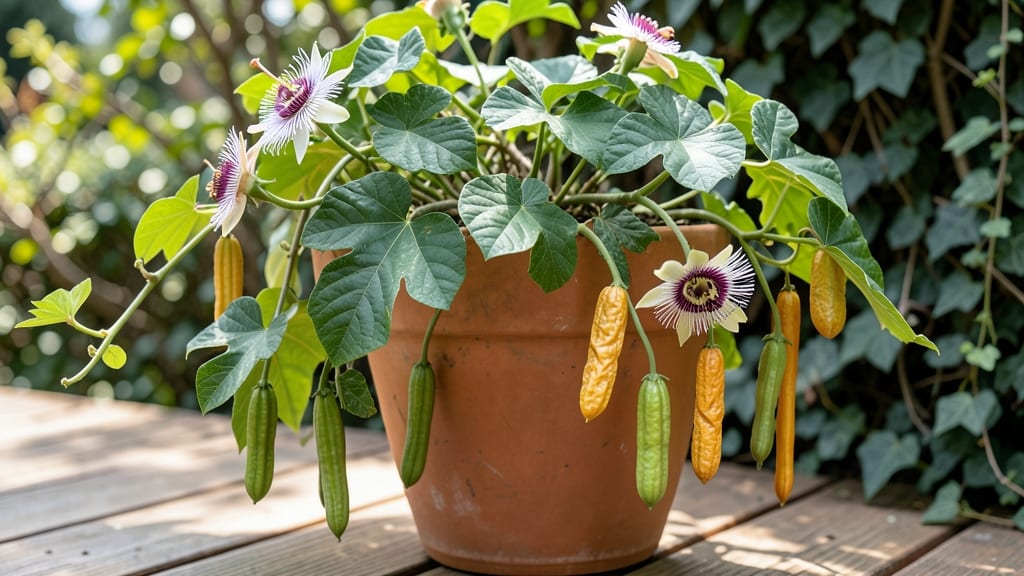
Cold-stressed passion flower seed pods hold the secret to foolproof germination. 🌱 I learned this after struggling with dried seeds that refused to sprout—until I mimicked nature’s winter trick.
The process is simple but critical: a 2-week cold treatment breaks dormancy, ensuring seeds wake up ready to grow when spring arrives.
Here’s what you’ll need: freshly harvested pods (or dried ones), a zip-top bag, damp paper towels, and your freezer. No fancy equipment—just patience and a little science. The goal? Trick those seeds into thinking winter’s passed so they’ll germinate like clockwork when you plant them.
After the cold treatment, you’ll see firm, plump seeds ready for planting. Whether you start them indoors 6-8 weeks before last frost or sow directly in warm soil, they’ll push through with 90% success—no more wasted seed packets.
The first true leaves appear in 2-3 weeks, and you’ll know you’ve cracked the code when vines start climbing by summer.
Works for all passion flower varieties, from Passiflora incarnata to tropical types. Just adjust timing for your zone—this method adapts to short seasons or long growing areas. Let’s get those seeds sprouting!
📚 In This Guide
- What you need
- Instructions
- Tips and common mistakes
- Wrapping up and next steps
What you need
- ● Fresh passion flower seed pods: 10–15 mature, fully ripened pods (ensure they’re plump and slightly wrinkled).
- ● Plastic storage bags: 2–3 resealable quart-sized bags (for cold treatment).
- ● Refrigerator or freezer: Set to 34–38°F (1–3°C) for cold stratification.
- ● Paper towels or dampened sphagnum moss: Enough to line a shallow tray (for germination test).
- ● Spray bottle: For misting (to maintain moisture).
- ● Small plastic containers or egg cartons: For organizing seeds post-treatment.
- ● Permanent marker: To label bags/containers (e.g., “Cold-Treated” + date).
- ○ Digital scale (optional but helpful): To measure seed weight before/after treatment.
- ● Germination tray with clear lid: To create a mini greenhouse effect.
- ○ Heating mat (optional): For post-cold-treatment warmth (if testing germination speed).
- ● Notebook or spreadsheet: To track pod weights, treatment dates, and germination progress.
- ● Gloves: If handling prickly pods (some varieties have mild spines!).
How to test passion flower seed pod viability before drying
Here's my foolproof method for ensuring you only dry viable passion flower seeds—no wasted effort.
🌱 Step 1: Harvest Mature Pods at Peak Ripeness
Wait until the pods turn a deep brown and begin splitting open naturally—this signals full maturity. I harvest in late fall when the pods are slightly wrinkled but still firm to the touch. Overripe pods release seeds prematurely and lose viability. Use clean, sharp pruners to avoid damaging the stem, which can introduce rot.
Place freshly harvested pods in a paper bag and leave them in a dry, shaded spot for 24 hours to allow any residual moisture to evaporate. This prevents mold during the cold test. If you harvest in damp conditions, pat pods dry with a paper towel before proceeding.
❄️ Step 2: Perform the Cold-Stress Viability Test
Fill a ziplock bag with 2 cups of water and place it in the freezer until completely frozen—this creates an ice bath. Add the harvested pods to the frozen water bag and seal it tightly. The cold shock mimics winter conditions and helps separate viable seeds from non-viable ones.
Leave the bag in the freezer for 48 hours. Viable seeds will remain firm and sink to the bottom, while empty or damaged seeds will float or disintegrate. After 48 hours, remove the bag and let it thaw at room temperature for 1 hour before opening.
🌿 Step 3: Separate and Prepare Viable Seeds
Empty the thawed contents into a colander and rinse gently under cool water to remove any remaining pulp or debris. Viable seeds will feel dense and heavy, while non-viable ones will crumble or wash away. Spread the viable seeds on a paper towel in a single layer and let them air-dry for 2-3 days in a warm, well-ventilated area.
Once completely dry, transfer the seeds to a paper envelope and label it with the harvest date and variety. Store in a cool, dark place until ready to plant. This method ensures you only dry and store seeds with the highest germination potential.
☀️ Step 4: Dry and Store Tested Seeds Properly
Place the viable seeds in a single layer on a mesh screen or paper towel in a dry, shaded area with good airflow. Keep them out of direct sunlight to prevent overheating, which can reduce viability. Rotate the seeds every 12 hours to ensure even drying—fully dried seeds will rattle when shaken.
Once completely dry, store the seeds in a sealed glass jar with a silica gel packet to absorb moisture. Keep the jar in a cool, dark place (around 50-60°F) for long-term storage. Tested seeds can remain viable for 2-3 years under these conditions, giving you a reliable seed bank for future plantings.
Tips & tricks for testing passion flower seed pod viability
Between us, these little tricks will save you from wasting time on seeds that won't sprout. The cold-stress method isn't just scientific—it's a game-changer for serious seed savers.
Harvest Timing is Everything: That 24-hour drying period in Step 1 isn't just about moisture—it's about letting the pods acclimate to room temperature before freezing. I've learned the hard way that skipping this step can lead to premature seed release during the cold test, turning your ziplock bag into a seed soup. If you harvest in particularly humid conditions, don't hesitate to extend that drying time to 36 hours—better safe than sorry with these delicate pods.
Freezer Organization Matters: When performing the 48-hour cold test, place your ziplock bag in a flat position on a freezer shelf rather than stacking it vertically. This ensures even freezing throughout the pods and prevents any potential crushing from weight. I mark my bags with the date using a permanent marker so I don't accidentally leave them in there longer than needed—over-freezing can actually damage viable seeds.
Visual Cues for Viability: After the 48-hour freeze, viable seeds will sink immediately when you open the bag, while non-viable ones often float or disintegrate upon contact with water. Pro tip: Use a fine-mesh strainer instead of a colander in Step 3—it catches even the smallest viable seeds that might slip through regular colander holes. I've recovered seeds this way that would have been lost otherwise.
Storage Environment Secrets: That 50-60°F storage temperature range in Step 4 is crucial—any warmer and you risk losing viability within months. I store my seed jars in the back of my pantry where the temperature naturally stays around 55°F. For extra protection, I add a second silica gel packet to the jar, especially if I'm storing seeds for more than a year. The key is creating that consistent, cool, dark environment that mimics ideal seed dormancy conditions.
Pro Tips for Passion Flower Seed Pods
- Between us, these little tricks will save you from wasting time on seeds that won't sprout. The cold-stress method is...
- Harvest Timing is Everything: That 24-hour drying period in Step 1 isn't just about moisture—it's about letting the p...
- Freezer Organization Matters: When performing the 48-hour cold test, place your ziplock bag in a flat position on a f...
Frequently asked questions
about passion flower seed pods—especially when testing viability after cold stress—can spark curiosity! Here are answers to common queries to help you navigate the process like a pro.How do I know if my passion flower seed pods are viable after cold stress?
Test viability by cutting open a pod and checking for firm, plump seeds. If they’re shriveled or hollow, they may not sprout. For a quick check, soak seeds in water—viable ones sink within 10 minutes. Pro tip: Test 5–10 seeds to get an accurate reading!
How long should I cold-stress passion flower seeds?
Cold-stratify seeds for 4–6 weeks in a damp paper towel or moist sand in the fridge (34–40°F). Over-stratifying can reduce germination, while under-stratifying may leave seeds dormant. Monitor moisture levels—too wet causes mold, too dry halts stratification. Pro tip: Use a thermometer to stay in the sweet spot!
When is the best time to harvest passion flower seed pods?
Harvest pods when they’re fully mature but still slightly soft (usually 3–4 months after flowering). Overripe pods split open, scattering seeds prematurely. Aim for a papery, dry rind—if it cracks easily, it’s ready! Store pods in a cool, dry place until processing.
Can I use alternative methods if cold-stratification fails?
Yes! If cold-stratification doesn’t work, try scarification (nick the seed coat with sandpaper) or soaking in warm water (120°F) for 24 hours to mimic natural weathering. Some gardeners also use smoke treatment (from a lit match) to stimulate germination. Pro tip: Combine methods for stubborn seeds!
Why aren’t my passion flower seeds germinating after cold stress?
Common culprits include old seeds (viability drops after 1–2 years), improper drying (too fast = brittle seeds; too slow = mold), or wrong temps during stratification. Ensure seeds are moist but not soggy and planted in warm (70–80°F), well-draining soil. Pro tip: Try a heat mat to boost germination!
| Quick Troubleshooting Guide |
|---|
|
Wrapping up and next steps
Growing passion flowers from seed pods is a rewarding journey, but patience and precision—like your cold-stress test—make all the difference! 🌱 Whether you're a seasoned gardener or just starting, these steps ensure your seeds have the best shot at thriving.
Now that you’re armed with knowledge, why not take the next step? Try experimenting with different drying methods or share your results with fellow plant enthusiasts. Every seed you nurture could bloom into something beautiful—go ahead, give it a try!