
Lawn
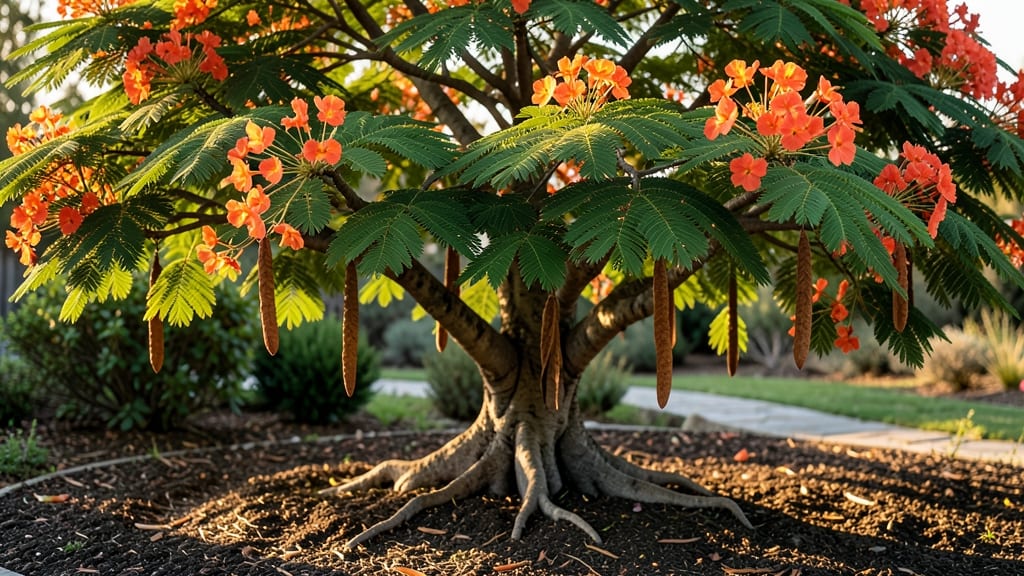
Harvesting Poinciana tree seed pods without twisting them open unlocks a world of vibrant orange blooms in your future landscape. 🌿 I’ve learned the hard way that forcing those tough pods only crushes the seeds inside—here’s how to collect them whole for the best germination results.
The key is patience and timing: wait until the pods turn brown and split naturally on the tree, then gently pry them open with your hands or a butter knife.
Inside, you’ll find flat, dark seeds that need a little prep before planting—no fancy tools required, just a bowl of water and a warm spot to break dormancy.
Once soaked for 24 hours, these seeds sprout surprisingly fast in well-draining soil mixed with sand. Plant them shallowly in spring after the last frost, and keep the soil moist but not soggy.
Within weeks, you’ll see those first delicate shoots—each one a promise of the stunning golden foliage and cascading flowers this tropical beauty delivers.
Perfect for warm climates (zones 9-11), but even in cooler areas, you can grow them in containers and overwinter indoors. The real magic happens when they mature: those fiery blooms turn any yard into a sun-drenched paradise. Ready to start your own?
📚 In This Guide
- What you need
- Instructions
- Tips and common mistakes
- Wrapping up and next steps
What you need
- ● Mature Poinciana seed pods: Collect only fully brown, dry pods (typically 6–12 inches long) that have naturally opened or are close to splitting.
- ● Pruning shears or sharp scissors: A bypass pair (for clean cuts) or a felco pruner (for heavy branches).
- ● Thick gardening gloves: Heavy-duty leather or nitrile-coated (to protect against thorns and sap).
- ● Large bucket or tarp: A 5-gallon bucket with a lid or a 4’x6’ canvas tarp to catch falling pods/seeds.
- ● Paper bags or breathable mesh sacks: 1–2 per batch (for storing seeds; avoid plastic to prevent mold).
- ● Labeling tags & marker: To track seed collection dates and pod maturity.
- ● Ladder or step stool: For high branches (6–12 ft tall).
- ● Long-handled grabber: Extendable pole with a claw attachment (for pods out of reach).
- ● Seed tray or drying rack: Wooden or wire mesh (to air-dry seeds evenly).
- ● Fan or dehumidifier: For speeding up seed drying in humid climates.
- ● Safety goggles: To shield eyes from debris or sap splashes.
- ● Check local regulations: Ensure Poinciana trees aren’t protected in your area (some regions restrict seed collection).
- ● Timing: Harvest pods in late fall/winter (after seeds have fully matured but before rain).
- ● Weather: Wait for a dry, sunny day (humidity >60% can ruin seeds).
Step-by-Step guide to harvesting poinciana tree seed pods
Here's how to collect viable seeds without damaging the tree or yourself.
🌿 Step 1: Identify Ripe Seed Pods
Poinciana pods turn from green to a light tan or brown when ready—this usually happens in late fall or winter. Look for pods that feel dry and papery to the touch, with a slight crack along their seams. Avoid green pods; they won't contain mature seeds and may still contain toxic sap.
Gently tap the pod with your knuckles—ripe pods will rattle inside. If you hear nothing, wait another week. I always check pods in the morning after a light dew, as moisture makes them easier to handle without dust flying everywhere.
✂️ Step 2: Harvest Pods Safely
Use clean, sharp pruning shears to snip the entire pod from the branch. Cut about 1 inch above where the pod attaches to the stem. This prevents sap from oozing onto the seed cavity. Wear gloves—poinciana sap can irritate skin, and the pods release fine dust that's easy to inhale.
Place harvested pods in a paper bag (not plastic) to allow airflow. Stack them in a dry, shaded spot for 3-5 days to ensure any remaining moisture evaporates. This prevents mold from forming inside the pods when you open them later.
🪴 Step 3: Extract Seeds Without Damage
Once pods are completely dry, lay one on a clean cutting board and gently squeeze the sides until it splits open. You'll hear seeds rattling inside—listen for that sound to know when to stop squeezing. Never twist or pry the pod open, as this can crush the seeds.
Empty the seeds into a bowl and separate them from the chaff. Healthy seeds are plump, dark brown, and slightly glossy. Discard any that look shriveled, discolored, or hollow when tapped against the bowl. I use a fine mesh strainer to catch the smaller seeds that might fall through while rinsing.
💧 Step 4: Prepare Seeds for Storage or Planting
If planting immediately, soak seeds in warm water for 24 hours to soften the hard outer shell. This mimics natural rain cycles and helps break seed dormancy. After soaking, plant them ½ inch deep in well-draining soil, keeping it consistently moist but never soggy.
For long-term storage, place clean, dry seeds in an airtight container with a desiccant packet to absorb moisture. Store in a cool, dark place—your refrigerator's crisper drawer works well. Label the container with the harvest date, as viability drops after 2 years of storage.
⏰ Step 5: Monitor Seed Germination
Plant soaked seeds in spring after the last frost, when soil temperatures reach 65°F or warmer. Germination can take 2-4 weeks, so be patient. Keep the soil surface damp but avoid overwatering—poinciana seedlings are sensitive to rot.
Once seedlings emerge, thin them to 12 inches apart to give roots room to grow. Watch for the first true leaves (not the initial seed leaves)—these will be feathery and bright green. If you see yellowing leaves, it's a sign of overwatering or poor drainage.
Tips & tricks for harvesting poinciana tree seed pods
Real talk—harvesting these pods right makes all the difference between viable seeds and wasted effort. Here's what I've learned the hard way after trying (and failing) a few times.
Timing is Everything: Those 3-5 days of drying pods in Step 2 are non-negotiable. I tried skipping this once and ended up with moldy pods that ruined all the seeds inside. Place them in a well-ventilated spot where they can dry evenly—direct sunlight can cause them to overheat and crack prematurely. A covered porch or garage works perfectly, just keep them out of the rain.
The Right Tools Make the Difference: Don't use scissors or dull shears for Step 2—they'll crush the pods and release sap everywhere. Invest in a good pair of pruning shears and always cut about 1 inch above the pod attachment point. This small detail prevents sap from contaminating your seed collection. I keep a small spray bottle of water nearby to quickly clean any sap that does get on my gloves or tools.
Seed Selection Matters: When examining seeds in Step 3, look beyond just color—healthy seeds should feel firm when you tap them against your bowl. I've found that using a small magnet can help separate any metal fragments that might have gotten mixed in during harvesting. Store these in a separate container if you find them, as they can damage your planting equipment later.
Storage Wisdom: That 2-year viability window in Step 4 is why I always label my containers with the harvest date. I also include a small card with the location where the seeds were collected—this helps me track which seeds thrive best in different soil conditions. For extra protection, I place a second desiccant packet in the container after the first few months of storage.
Pro Tips for Poinciana Tree Seed Pods
- Real talk—harvesting these pods right makes all the difference between viable seeds and wasted effort. Here's what I'...
- Timing is Everything: Those 3-5 days of drying pods in Step 2 are non-negotiable. I tried skipping this once and ende...
- The Right Tools Make the Difference: Don't use scissors or dull shears for Step 2—they'll crush the pods and release ...
Frequently asked questions
Got questions about harvesting poinciana tree seed pods? You’re not alone! Here are some of the most common queries—and their answers—to help you master the process like a pro.
When is the best time to harvest poinciana seed pods?
The ideal time is when the pods are dry, brown, and slightly papery—usually late fall to early winter. Avoid harvesting when pods are still green or splitting open naturally, as seeds may not be fully mature. Wait until they’ve detached easily from the tree (or use gentle pruning tools).
How do I know if the seeds inside are still viable?
Viable seeds should be plump, firm, and dark brown inside the pod. Float-test them in water: good seeds sink, while hollow or shriveled ones float. Store viable seeds in a cool, dry place (like a paper bag) until planting—they can stay dormant for years!
What should I do if my seed pods attract pests like ants or rodents?
Pests love the sweet nectar in fresh pods. To deter them, harvest pods promptly and store them in sealed containers. If pests are already present, sprinkle diatomaceous earth around the tree base (reapply after rain) or use a light insecticide spray (like neem oil) as a preventive measure.
Can I grow a poinciana tree from seed, or should I buy a sapling?
You can grow from seed, but it takes 3–5 years to reach flowering size—patience required! Saplings are faster but pricier. If you’re committed, start seeds indoors in spring (60–70°F soil) for better germination rates. Pro tip: Scarify seeds lightly with sandpaper to mimic natural weathering and boost sprouting!
What’s the best way to store harvested seed pods long-term?
Store pods in a cool (50–60°F), dry place with good airflow (like a mesh bag). Avoid plastic—it traps moisture and encourages mold. Label pods with the harvest date, and check them monthly for pests. Seeds remain viable for 1–2 years under ideal conditions, but germination rates drop over time.
Wrapping up and next steps
Harvesting poinciana tree seed pods doesn’t have to be a tangled mess—with the right techniques, you can collect viable seeds effortlessly! Whether you’re aiming for propagation, crafting, or simply admiring nature’s art, mastering the no-twist method ensures success while keeping your workspace clean and efficient. 🌿
Now that you’re equipped with the knowledge, why not give it a try? Grab your tools, head outdoors, and enjoy the rewarding process of turning those vibrant pods into seeds for future growth. Happy harvesting! 🌱