
Lawn
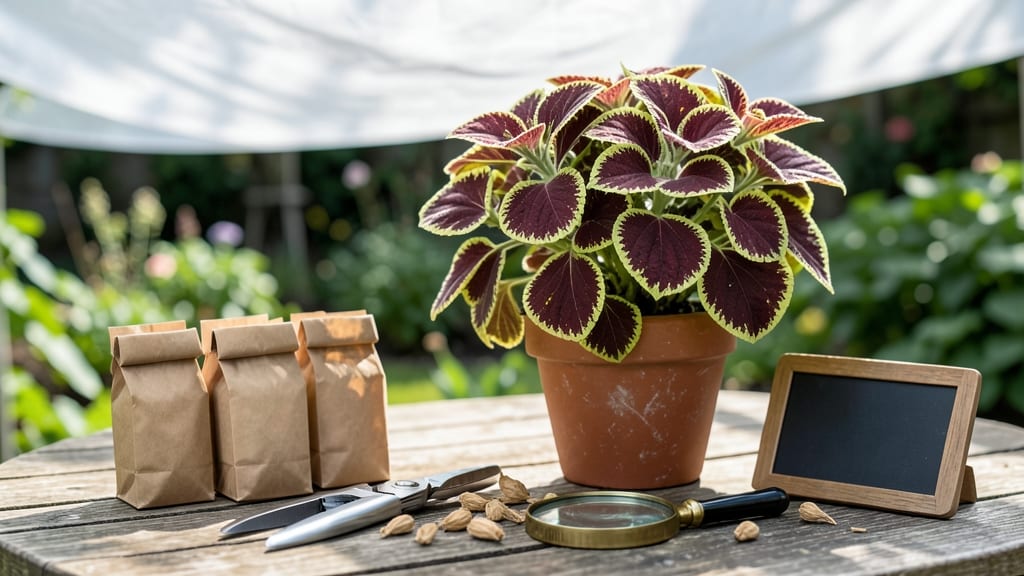
Coleus seed collection is easier than you think—just wait for those tiny, papery pods to split open naturally. 🌱 I’ve saved seeds from my coleus plants for years, and the process is surprisingly low-effort once you know the timing. These vibrant plants often produce seeds that germinate reliably, though they’re not always true to the parent’s striking colors. The best time to collect seeds is late summer or early fall, when the pods turn from green to brown and begin cracking open. A gentle shake over a piece of paper will release the seeds—no fancy tools needed. Store them in a dry envelope until spring, where they’ll stay viable for up to a year if kept cool and dry. What you’ll get are seedlings with bold foliage, though their colors may vary from the parent plant. For consistent results, cuttings remain the foolproof method, but seed collection adds a fun, budget-friendly way to expand your collection. Just be patient—coleus seeds germinate slowly, often taking 3-6 weeks to sprout. If you’re new to seed saving, start with one plant and observe its pods. The key is timing and a little observation—no stress, just nature’s way of propagating your favorite varieties.
📚 In This Guide
- What you need
- Instructions
- Tips and common mistakes
- Wrapping up and next steps
What you need
- ● Mature coleus plants (preferably with fully ripened seed pods—they’ll turn from green to light brown when ready!)
- ● Sharp scissors or pruning shears (sterilized to avoid disease transfer)
- ● Paper bags or breathable seed envelopes (1–2 per plant, labeled with plant variety)
- ○ Drying tray or mesh screen (for airflow—optional but helpful)
- ● Small paintbrush or tweezers (for gently extracting seeds from pods)
- ● Air-tight seed storage containers (small jars or resealable bags with silica gel packets for humidity control)
- ● Hand lens or magnifying glass (to inspect seed viability)
- ● Seed viability test kit (for advanced gardeners)
- ● Notebook & pen (to track plant varieties and collection dates)
- ● Disinfectant spray (for cleaning tools between uses)
How to collect coleus seeds without the stress
Here's how I collect viable coleus seeds naturally—no forced drying or tricky techniques.
🌿 Step 1: Identify and Select the Best Plants
Choose healthy coleus plants with plump, green seed pods that haven't started turning brown. Look for pods that feel firm to the touch—these contain the most viable seeds. I skip any pods that are already cracking open or have dried out completely, as those seeds may not germinate well.
Select plants that have been in full sun for at least 4-6 weeks—this ensures the pods have matured properly. You'll know you've picked the right ones when the pods are about ½ inch long and still holding their vibrant green color. Avoid plants that show signs of disease or pest damage, as these can affect seed quality.
⏰ Step 2: Wait for Natural Opening
Leave the seed pods on the plant until they naturally split open—this usually happens in 2-3 weeks after they turn brown. You'll see the pods begin to crack along their seams, revealing tiny black seeds inside. Don't rush this process by cutting or forcing them open, as this can damage the seeds.
I like to check my plants every 2-3 days during this time, gently tapping the pods to see if seeds are ready to fall out. If they're still firmly attached, leave them be. The natural drying process ensures the seeds are fully mature and viable. Once the pods are fully open, you'll see seeds scattered on the soil or hanging from the stems.
🪴 Step 3: Harvest Seeds Gently
Place a clean, dry container (like a small paper bag or envelope) under the plant to catch the seeds as they fall. Gently shake the stems or use a soft brush to dislodge any remaining seeds without damaging the plant. Be patient—some seeds may take a few more days to release fully.
If you're working with multiple plants, label each container with the coleus variety and the date of collection. This helps track which seeds are freshest and most likely to germinate well. Store the seeds in a cool, dry place until you're ready to plant them—coleus seeds can stay viable for 1-2 years if stored properly.
☀️ Step 4: Dry and Store Seeds Properly
Spread the collected seeds on a paper towel or screen in a warm, dry place for 1-2 days to ensure they're completely dry. This prevents mold and rot during storage. You'll know they're dry when the seeds feel light and brittle to the touch.
Once dry, transfer the seeds to a sealed envelope or airtight container with a desiccant packet to absorb any remaining moisture. Store them in a cool, dark place—like a pantry or seed storage box—where they'll stay fresh for future planting. I always write the variety and collection date on the container to keep things organized.
Tips & tricks for perfect coleus seed collection
Here's what nobody tells you about making this process foolproof—these little details make all the difference.
Selection Tip: The 4-6 weeks of full sun in Step 1 is non-negotiable for pod maturity. I've tried skipping this with younger plants, and the pods either don't form properly or produce seeds that won't germinate. If your plants haven't had this full sun exposure, give them an extra 2 weeks before attempting collection—it's worth the wait for viable seeds.
Timing Secret: When checking pods every 2-3 days in Step 2, I use a soft pencil to gently tap them—this helps me hear when they're ready to open without damaging them. The sound changes from dull to hollow when they're ready. This simple trick prevents premature opening and seed loss.
Harvesting Hack: For Step 3, I recommend using small, lightweight paper envelopes instead of plastic bags. The seeds are so tiny and light that plastic bags can create static electricity, making them stick to the sides and get lost. Paper envelopes let them fall naturally into place while keeping everything dry.
Storage Wisdom: The 1-2 years viability mentioned in Step 4 assumes proper storage conditions. I've found that adding a small packet of silica gel (the kind that comes with electronics) to the storage container extends freshness even further. Just place it inside the sealed container—it'll keep moisture levels perfect without affecting the seeds.
Pro Tips for Coleus Seed Collection
- Here's what nobody tells you about making this process foolproof—these little details make all the difference.
- Selection Tip: The 4-6 weeks of full sun in Step 1 is non-negotiable for pod maturity. I've tried skipping this with ...
- Timing Secret: When checking pods every 2-3 days in Step 2, I use a soft pencil to gently tap them—this helps me hear...
Frequently asked questions
Got questions about collecting coleus seeds? You’re not alone! Here are some common ones—and their answers—to help you stress-free seed harvesting.
When is the best time to collect coleus seeds?
Wait until the seed pods turn from green to tan or light brown and begin to split open naturally. This usually happens in late summer to early fall, depending on your climate. Avoid collecting too early—the seeds won’t be mature enough to germinate!
How do I know if the seeds are viable?
Viable coleus seeds should be small, dark, and plump (not shriveled or hollow). For extra assurance, test a few by placing them in damp paper towels—if they sprout within 1–2 weeks, you’re golden!
Can I collect seeds from store-bought coleus plants?
Probably not! Many commercial coleus varieties are hybrids or sterile, meaning they won’t produce viable seeds. Stick to heirloom or seed-raised coleus for successful collections. Check the plant tag or ask the nursery for seed-saving-friendly varieties.
Why aren’t my seed pods opening?
If pods stay closed, they may need more time or dryer conditions. Try gently drying them indoors on a paper towel for a few days. Overly humid climates can also delay opening—consider a small fan or dehumidifier to help speed things up.
How should I store collected seeds?
Keep seeds in a cool, dry place (like a sealed envelope or jar) in the fridge. Label them with the date—coleus seeds stay viable for 1–2 years if stored properly. Avoid plastic bags (they trap moisture and cause mold).
Wrapping up and next steps
Collecting coleus seeds is a rewarding way to propagate your favorite varieties—just let nature do the work! 🌱 By understanding the plant’s natural pod-opening process and timing your harvest right, you’ll enjoy healthy seeds for future growth. Ready to turn your garden into a seed bank?
Your next step? Start observing your coleus plants now—watch for those telltale seed pods, and soon you’ll be sharing (or saving) seeds with confidence. Happy gardening!