
Propagation
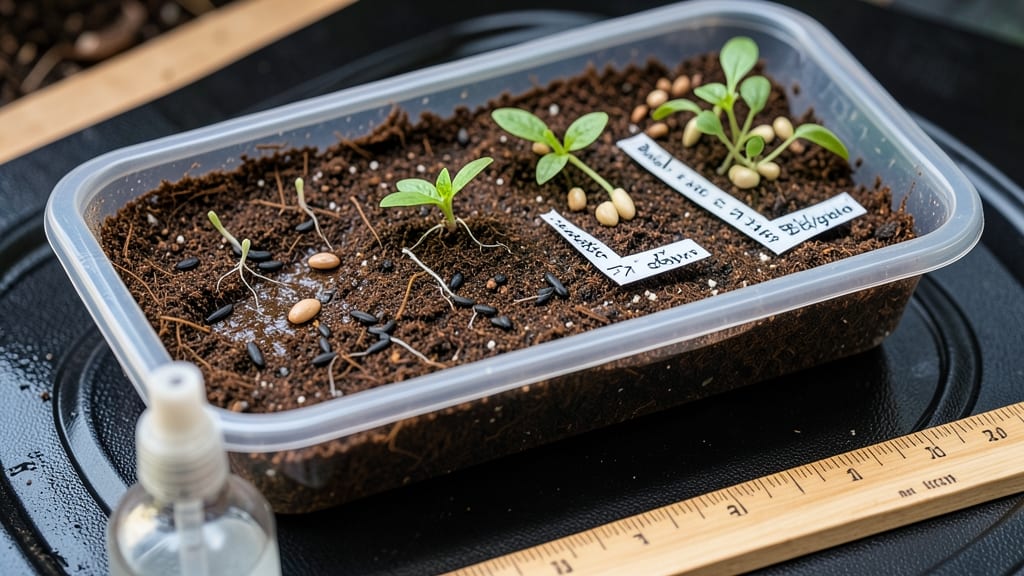
Seed germination times aren't guesswork—they're the key to knowing exactly when to expect those first green shoots. 🌱 I've tracked germination data for years, and the difference between waiting too long and starting too early is night and day.
Some seeds pop up in days, while others need weeks of patience, and understanding these timelines means fewer failed experiments and more successful gardens.
The science behind it is simpler than you think: temperature, moisture, and seed type all dictate how quickly (or slowly) those sprouts appear.
Fast germinators like radishes or lettuce may show up in 3-10 days, while stubborn seeds like peppers or tomatoes can take 10-20 days—or longer if conditions aren't right.
Knowing these ranges helps you plan your planting schedule so you're not left with seedlings outgrowing their space or bolting before harvest.
Once you master this, you'll adjust your planting dates with confidence, whether you're starting seeds indoors for a late spring transplant or direct-sowing outdoors in warmer months. The payoff? A garden that thrives because you worked with nature's timeline, not against it.
No more wondering if those seeds are "dead" or if you just need to wait a little longer.
This works for any climate zone, from cold-start springs to long growing seasons. The trick is matching your seeds to your local frost dates and adjusting for indoor vs. outdoor conditions. Let's get those timelines nailed down so your garden starts on the right foot—every single season.
📚 In This Guide
- What you need
- Instructions
- Tips and common mistakes
- Wrapping up and next steps
What you need
- ● Seeds: Choose high-quality, fresh seeds (check the packet for recommended germination times). Pro tip: Store seeds in a cool, dry place to maintain viability!
- ● Growing Medium: Potting soil (sterile, seed-starting mix preferred)
- ● OR coconut coir or peat moss (for moisture retention)
- ● Containers: Small pots, seed trays, or even recycled egg cartons (ensure drainage holes are present!).
- ● Water: Room-temperature, filtered water (avoid tap water with high chlorine levels).
- ● Light Source: Grow lights (LED or fluorescent, 12–16 hours/day)
- ● OR a sunny windowsill (south-facing preferred)
- ○ Heat Mat (Optional but Helpful): For slower-germinating seeds (e.g., tomatoes, peppers), use a seedling heat mat (70–85°F range).
- ● Spray Bottle: For gentle watering (avoids disturbing seeds).
- ● Labels & Marker: Track seed varieties and planting dates.
- ● Humidity Dome: Clear plastic wrap or a mini greenhouse to retain moisture (remove once sprouts appear!).
- ● Thermometer/Hygrometer: Monitor temperature (ideal range: 65–75°F) and humidity (50–70% for most seeds).
- ● Fertilizer (Post-Germination): Diluted liquid fertilizer (e.g., fish emulsion or seaweed extract) once seedlings have 2–3 true leaves.
- ● 🌡️ Temperature Matters: Some seeds (like beans) germinate faster in warm soil (80–90°F), while others (carrots) prefer cooler temps (60–70°F). Check your seed packet!
- ● ✨ Patience is Key: Germination times vary wildly—from 3 days (radishes) to 30+ days (some herbs or trees). Stay consistent!
- ● 🔄 Rotate Trays: If using a windowsill, rotate containers daily for even light exposure.
How to determine and optimize seed germination times
Germination timing varies wildly—here's how to predict it and give seeds their best shot at success.
🌱 Step 1: Identify Your Seed Type and Conditions
First, check the seed packet for the germination range—most list 5-14 days, but this varies wildly. Fast germinators like radishes sprout in 3-5 days, while slow ones like peppers or tomatoes can take 10-20 days. I always jot these numbers down to track progress.
Next, match conditions to your seeds' needs. Cool-season crops like lettuce and spinach germinate best at 60-70°F, while warm-season tomatoes and peppers prefer 75-85°F. A seedling heat mat keeps soil consistently warm—critical for finicky seeds. If your home runs cooler, consider a grow light too; weak light delays germination.
⏰ Step 2: Track the Germination Clock Precisely
Start counting days from planting, not from when you first water. I mark the date on the container with a marker—no guessing. Most seeds need moisture and warmth before they'll break dormancy. For seeds with hard coats (like beans or tomatoes), soak them 12 hours in lukewarm water first to soften the shell.
Watch for first cracks in the seed coat—this happens 1-3 days before the radicle (root) emerges. If nothing appears after twice the maximum listed days, the seeds may be old or dead. I test a few in a damp paper towel at 75°F to confirm viability before giving up.
💧 Step 3: Maintain Ideal Moisture Without Overwatering
Seeds need consistent moisture, but soggy soil suffocates them. The key is even dampness—not wet, not dry. Press your finger ½ inch deep into the soil; it should feel like a wrung-out sponge. I use a spray bottle for delicate seeds to avoid displacing them.
Here's the thing—overwatering kills more seeds than underwatering. Once you see the first sprouts, reduce watering slightly. The soil should stay moist at the base but dry slightly at the surface. A clear humidity dome helps maintain this balance without constant attention.
☀️ Step 4: Adjust Light and Temperature for Speed
Light isn't critical during germination—most seeds sprout just fine in darkness. But temperature matters most. Place containers on a seedling heat mat (set to 75-85°F) for faster results. Without one, germination can stretch 3-5 extra days. I keep my setup near a sunny window but under grow lights for consistency.
Once the first true leaves appear (not the initial seed leaves), move seedlings to bright light. Leggy, pale stems mean they stretched toward weak light—too late to fix, but a lesson for next time. Strong seedlings have short, thick stems and dark green leaves within 7-10 days of sprouting.
✂️ Step 5: Troubleshoot Delays and Failures
If germination stalls after 5 days, check for damping-off (black, mushy stems)—a sign of fungal infection. Remove affected seedlings immediately and repot healthy ones in fresh, sterile mix. I always sterilize trays with a 10% bleach solution before reuse to prevent this.
Old seeds or improper storage slow things down. Test viability by placing 10 seeds in a damp paper towel at 75°F for 7 days. If fewer than 50% sprout, replace the packet. Real talk: I've thrown out $20 seed orders after this test—better than wasting time and space.
Tips & tricks for perfect seed germination
Here's what nobody tells you about getting seeds to sprout reliably—these tricks cut the guesswork.
Seed Viability Test: Before planting your entire packet, test a few seeds in a damp paper towel at 75°F for 7 days to confirm viability. This simple step saves time and money—trust me, I've thrown out $20 seed orders after this test. If fewer than 50% sprout, replace the packet. I always do this with expensive heirloom seeds.
Temperature Matters: The 75-85°F range is non-negotiable for most seeds. Use a seedling heat mat for consistent warmth—without one, germination can stretch 3-5 extra days. For cool-season crops like lettuce, keep soil at 60-70°F. I've seen radishes sprout in 3 days with perfect heat, but the same batch took 10 days in a cool basement.
Moisture Balance: The key is even dampness, not soggy soil. Press your finger ½ inch deep—it should feel like a wrung-out sponge. Overwatering kills more seeds than underwatering. Once sprouts appear, reduce watering slightly to prevent damping-off. I use a spray bottle for delicate seeds to avoid displacing them.
Light Strategy: Light isn't critical during germination—most seeds sprout just fine in darkness. But once the first true leaves appear (not the initial seed leaves), move seedlings to bright light. Leggy, pale stems mean they stretched toward weak light—too late to fix, but a lesson for next time. Strong seedlings develop short, thick stems and dark green leaves within 7-10 days of sprouting.
Pro Tips for Seed Germination Times
- Here's what nobody tells you about getting seeds to sprout reliably—these tricks cut the guesswork.
- Seed Viability Test: Before planting your entire packet, test a few seeds in a damp paper towel at 75°F for 7 days to confirm viability.
- Temperature Matters: The 75-85°F range is non-negotiable for most seeds.
Frequently asked questions
Got questions about seed germination times?
You’re not alone—every gardener wants to know how long to wait before those little sprouts peek through the soil. Here are the answers to the most common queries to help you plan with confidence!
How long do most seeds take to germinate?
Germination times vary wildly! Fast growers like radishes or marigolds sprout in 3–7 days, while slowpokes such as peppers or trees can take 2–4 weeks (or even months for some natives). Always check the seed packet for specifics—it’s your best guide!
What if my seeds aren’t sprouting after the expected time?
Don’t panic! First, check moisture (soil should stay damp, not soggy) and warmth (most seeds need 65–85°F). If they’re still MIA, try these fixes:
- Scratch-test: Gently nick the seed with a knife—sometimes the shell is too tough.
- Light exposure: Some seeds (like lettuce) need sunlight to germinate.
- Fresh seeds: Old seeds (over 1 year) often lose viability.
Can I speed up germination?
Try these science-backed tricks:
- Warmth: Use a heat mat (70–85°F) for faster sprouting.
- Soak seeds: Pre-soaking hard shells (like beans) softens them for quicker growth.
- Humidity dome: Cover trays with plastic wrap to retain moisture.
- Avoid overcrowding: Give seeds space—they’ll compete for nutrients.
What’s the difference between germination time and time to harvest?
Germination time is just the sprout phase (days to first leaves), while harvest time is the full plant-to-table timeline. For example:
Seed
Germination
Harvest Time
Radish
3–7 days
25–30 days
Tomato
7–14 days
60–85 days
Oak Tree
14–30 days
10–20 years!
Are there seeds that germinate without soil?
Yes! Some seeds thrive in paper towels or water for quick starts:
- Paper towel method: Moisten a towel, place seeds between layers, and keep it warm. Sprouts appear in 3–10 days (great for peppers or herbs).
- Water germination: Seeds like chives or celery can sprout in a jar of water—just transplant carefully once roots form!
Wrapping up and next steps
Understanding seed germination times is your first step toward a thriving garden—whether you're a seasoned gardener or just starting out! 🌱 From the speedy radish (just 4 days!) to the patient walnut (nearly 60 days), knowing what to expect keeps you motivated and prepared.
The key? Patience, proper conditions, and a little science—your green thumb is closer than you think!
Ready to turn those seeds into seedlings? Start small—pick 1-2 fast-sprouting varieties (like beans or lettuce) to build confidence, then expand your repertoire. Grab your notebook, track your progress, and soon, you’ll be cheering for every tiny shoot breaking through the soil. Happy growing! 🌿