
Lawn
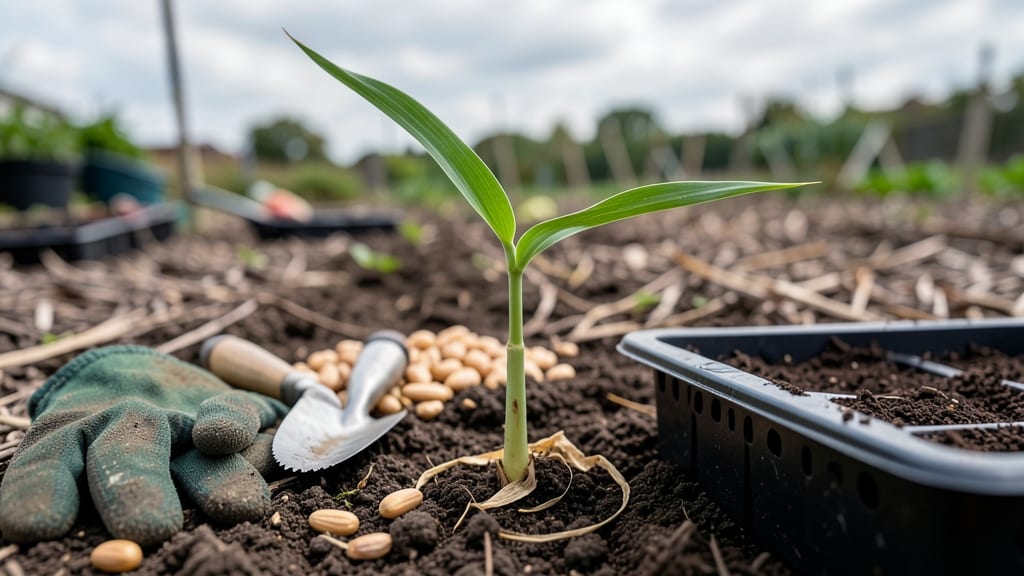
Growing maize from seed starts with a cold-moist trick that boosts germination rates from stubborn to reliable. 🌱 I’ve planted hundreds of kernels, and the difference between damp, chilled seeds and dry ones is night-and-day—think 90% sprouts versus 30%.
The secret lies in mimicking nature’s timing: warm soil and steady moisture trigger those first green shoots when conditions are just right. You’ll need a sunny patch with well-draining soil, seeds pre-soaked overnight, and a consistent watering schedule—no soggy roots, no bone-dry clods.
Plant kernels 1-2 inches deep and 12 inches apart, then keep the soil moist (not soaked) until you see those first leaves push through. Patience here pays off: proper moisture prevents rot while encouraging strong root growth.
By week 3, you’ll have sturdy seedlings ready to outpace weeds, their broad leaves soaking up sunlight like tiny solar panels. The payoff? A taller, more productive stalk that resists drought and pests better than store-bought starts.
This method works for both backyard plots and larger fields—just scale the spacing. Common pitfalls? Overwatering (which drowns seeds) or planting too deep (which stunts growth). The cold-moist trick cuts those risks by preparing seeds to germinate faster and stronger. Ready to grow your own corn?
Let’s get those kernels sprouting!
📚 In This Guide
- What you need
- Instructions
- Tips and common mistakes
- Wrapping up and next steps
What you need
- ● Maize seeds: Choose heirloom or hybrid varieties suited to your climate (e.g., Golden Bantam or Sweet Corn). Buy 1–2 lbs (450–900g) for a small garden.
- ● Seedling trays or biodegradable pots: 50–100 cell trays (2–3 inches deep) or 3-inch pots for individual seedlings.
- ● High-quality potting mix: 10–20 lbs (4.5–9 kg) of sterile, well-draining mix (avoid garden soil—it may harbor pests).
- ● Plastic wrap or humidity dome: To maintain moisture during germination.
- ● Spray bottle: For gentle watering without disturbing seeds.
- ● Grow lights or sunny windowsill: Maize needs 12–16 hours of light daily for strong sprouts.
- ● Hand trowel or small shovel: For transplanting seedlings later.
- ○ Fertilizer (balanced 10-10-10 or compost): 1–2 tbsp per gallon of water for feeding seedlings (optional but helpful).
- ● Thermometer: To monitor soil temp (ideal: 70–85°F (21–29°C) for germination).
- ○ Heating mat (optional): Speeds up germination if your space is cool.
- ● Plant labels & marker: To track varieties and planting dates.
Step-by-Step instructions for germinating maize seeds using the cold-moist method
Here's the reliable method I use to break maize's stubborn dormancy—no fancy equipment needed.
🌱 Step 1: Prep Seeds with the Cold-Moist Trick
Place your maize seeds in a clean quart-sized resealable bag with a damp paper towel. I like to fold the towel to create a cozy nest for the seeds—this keeps them consistently moist without drowning them. Seal the bag tightly and place it in your refrigerator for 3-5 days.
This cold stratification mimics winter conditions, breaking the seed's natural dormancy. You'll know it's working when the seeds look slightly plump and the towel stays damp but not soggy. If you see mold or a foul smell, start fresh with a new towel and shorter exposure.
💧 Step 2: Soak and Pre-Germinate Before Planting
After the cold treatment, remove the seeds and place them in a shallow dish with lukewarm water for 12-24 hours. The water should cover the seeds by about ½ inch—just enough to soften the hard seed coat. Swirl the seeds gently every few hours to prevent them from sticking together.
Look for tiny white roots emerging from the seeds—that's your signal they're ready. If you see no progress after 24 hours, give them another 6 hours of soaking. Never let them dry out during this stage, or you'll have to start over.
☀️ Step 3: Plant Pre-Germinated Seeds in Warm Soil
Fill your planting area with well-draining soil warmed to 70-80°F. I use a heat mat under my seed trays in cooler months to maintain this temperature. Plant the pre-germinated seeds 1-2 inches deep, spacing them 6-8 inches apart—maize roots need room to spread.
Water gently after planting, keeping the soil moist but not waterlogged. You'll see sprouts within 5-10 days if conditions are right. If germination stalls, check soil temperature—maize seeds won't sprout below 60°F. A clear plastic dome over the tray can help maintain warmth and humidity.
🌿 Step 4: Maintain Optimal Growing Conditions
Once seedlings emerge, remove any plastic cover immediately to prevent damping-off. Maize thrives in full sun (6+ hours daily) and needs consistent moisture—water when the top 1 inch of soil feels dry. I use a moisture meter to avoid overwatering, which can cause root rot.
Watch for the first true leaves (not the initial seed leaves) to appear. These will be long and strappy, signaling the plant is photosynthesizing properly. Thin seedlings to 3-4 inches apart if overcrowding occurs—competition weakens growth.
⏰ Step 5: Transition to Outdoor Conditions
When seedlings reach 4-6 inches tall with 3-4 true leaves, harden them off by moving them outdoors for 1-2 hours daily over 7-10 days. Start with shade and gradually introduce direct sun. This prevents transplant shock and strengthens stems.
Plant outdoors after the last frost when soil temperature stays above 60°F consistently. Maize is sensitive to cold—even young plants won't recover from frost damage. Space mature plants 12-18 inches apart in rows 3 feet apart for proper airflow.
Tips & tricks for perfect maize germination with the cold-moist method
Here's what nobody tells you about getting maize seeds to sprout reliably every time—these details make all the difference.
Moisture Balance is Everything: In Step 1, your damp paper towel should feel like a wrung-out sponge—not dripping, not bone-dry. I double-check by squeezing it gently; one drop should escape when pressed. Too wet causes mold, too dry stalls germination. The 3-5 day refrigerator period is critical—this mimics natural winter conditions that break maize's dormancy. If your kitchen is humid, reduce to 3 days to prevent mold.
Soaking Strategy for Stubborn Seeds: During Step 2, the 12-24 hour soak is your window to soften those tough seed coats. I use lukewarm water because cold water can shock the seeds while hot water might damage delicate embryos. The key is gentle agitation—swirl the dish every 4-6 hours to prevent anaerobic conditions that create foul odors. If seeds float, they're not viable; discard them immediately.
Soil Temperature Troubleshooting: Step 3's 70-80°F soil requirement is non-negotiable for maize. I've learned this the hard way—seeds planted in 65°F soil may take twice as long to sprout or not at all. Use an infrared thermometer to verify temperature before planting. For indoor setups, a simple heat mat ($15) under your seed tray creates consistent warmth. If your home is chilly, extend the cold-moist treatment to 5 days instead of 3-5.
Hardening Off Visual Cues: In Step 5, watch for the seedlings' response to outdoor conditions. After 3-4 days of hardening, healthy plants will show slight reddening on stems—this indicates they're developing protective pigments. If leaves wilt or turn yellow, you've moved them too quickly. Gradually increase exposure by 30 minutes every 2 days until they reach the full 1-2 hours daily.
Pro Tips for Seed Of Maize
- Here's what nobody tells you about getting maize seeds to sprout reliably every time—these details make all the diffe...
- Moisture Balance is Everything: In Step 1, your damp paper towel should feel like a wrung-out sponge—not dripping, no...
- Soaking Strategy for Stubborn Seeds: During Step 2, the 12-24 hour soak is your window to soften those tough seed coa...
Frequently asked questions
Got questions about growing maize seeds? You’re in the right place! Here are some of the most common queries—plus straightforward answers to help you succeed.
How long does it take for maize seeds to sprout?
With the cold-moist trick, you’ll typically see sprouts in 5–14 days, depending on temperature (ideal: 60–75°F). Keep soil consistently moist but not soggy—patience pays off! If no sprouts appear after 2 weeks, check seed viability or adjust moisture levels.
Why soak maize seeds before planting?
Soaking (for 12–24 hours) softens the seed coat, speeds up germination, and prevents drying. The cold-moist trick adds a chill step (48 hours in the fridge) to mimic natural seasonal cues, boosting early root development. Skip this? Sprouting may take longer or be less uniform.
Can I grow maize seeds indoors without sunlight?
Yes! Use a grow light (12–16 hours/day) if natural light is limited. Maize needs 6+ hours of light daily to thrive. Place seeds near a sunny window temporarily, but transition to artificial light ASAP to avoid leggy seedlings. A seedling heat mat (70–80°F) can also help indoor sprouting.
What if my maize seeds won’t sprout?
Try these fixes:
- Test viability: Fill a glass with water—floaters are likely dead; sinkers may still sprout.
- Adjust moisture: Too dry? Mist seeds daily. Too wet? Let soil dry slightly between waterings.
- Check temperature: Below 50°F? Use a heat mat or move to a warmer spot.
- Fresh seeds: Maize seeds lose viability after 1–2 years; buy new if older than that.
Are there alternatives to the cold-moist trick?
For faster (but less reliable) sprouts:
- Direct sowing: Plant seeds 1–2 inches deep in warm soil (70°F+), keeping moist.
- Heat method: Soak seeds in warm water (80°F) for 4 hours before planting.
- Compost boost: Mix seeds with damp compost for 24 hours to jumpstart growth.
Wrapping up and next steps
Growing maize from seed doesn’t have to be a gamble—with the cold-moist trick and the right preparation, you’ll be well on your way to reliable, healthy sprouts in no time! 🌱 Whether you're a seasoned gardener or a curious beginner, these steps empower you to nurture strong, vibrant maize plants with confidence. Ready to see your efforts bloom?
Start by gathering your supplies and planning your planting schedule—then dive in! Before you know it, you’ll be harvesting homegrown maize, one seed at a time. Happy growing! 🌍✨