
Lawn
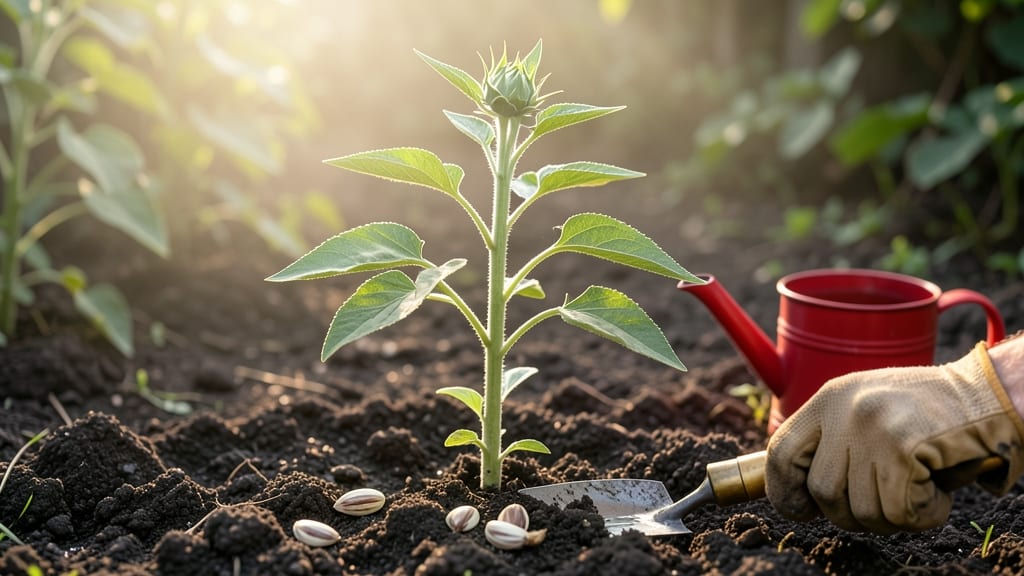
Sunflower seed growth happens faster than you'd expect—within 5-10 days if you nail the soil and spacing. 🌱 I’ve watched those first green hooks break through soil like magic, and it all starts with loose, well-drained dirt that lets roots stretch without fighting.
The key isn’t just planting; it’s creating the perfect launchpad for speedy germination.
Most beginners overwater or crowd seeds, which slows growth. Instead, scatter seeds 1 inch deep and 6-12 inches apart in rows spaced 18-24 inches apart. Sunflowers crave sunlight too—plant them where they’ll get at least 6-8 hours of direct sun daily, or they’ll stretch leggy and weak.
The right conditions turn a week into a foolproof sprout party.
By week 3, you’ll see stalks shooting up like skyscrapers, and by week 6, those iconic yellow faces start peeking out. The payoff? A garden that grows faster than weeds and blooms taller than your fence.
Just don’t let the soil dry out—consistent moisture keeps those early roots happy.
This method works for any sunflower variety, from dwarf to giant. Even my black thumb can’t mess this up—once you get the basics right, sunflowers practically grow themselves. Let’s get those seeds in the ground!
📚 In This Guide
- What you need
- Instructions
- Tips and common mistakes
- Wrapping up and next steps
What you need
- ● Sunflower seeds: Choose heirloom or hybrid varieties (e.g., 'Mammoth' or 'Autumn Beauty'). Buy 10–20 seeds for a small garden patch or 50+ seeds for larger planting.
- ● Loose, well-drained soil: Use a mix of 50% garden soil, 30% compost, and 20% perlite or coarse sand (1–2 cubic feet per planting area).
- ● Planting containers or garden bed: Containers: 5–7" deep pots with drainage holes (1–2 seeds per pot).
- ● Garden bed: A 12" x 12" area per plant (sunflowers need space to grow!).
- ● Watering can or hose with a gentle spray nozzle.
- ○ Plant labels (optional but helpful!).
- ● Garden trowel or small shovel for digging holes (1–2" deep).
- ● Seed starting tray (if sowing indoors 4–6 weeks before last frost).
- ● Mulch (straw or shredded leaves) to retain moisture and suppress weeds.
- ● Fertilizer: A balanced 10-10-10 or low-nitrogen option (like compost tea) to avoid leggy growth.
- ● Sunflower seedling support: Stakes or cages (6–8 feet tall) for taller varieties.
- ● Gloves (to protect your hands from prickly sunflower leaves!).
Step-by-step instructions for growing sunflowers from seed
Here’s how to get those towering blooms started with speed and confidence.
🌱 Step 1: Choose the Right Soil and Planting Site
Sunflower seeds need loose, well-drained soil to germinate quickly—compacted or clay-heavy soil will slow them down. Amend your garden bed with 2-3 inches of compost mixed into the top 6 inches of soil. This improves aeration and drainage, which sunflowers crave. If planting in containers, use a lightweight potting mix with perlite or vermiculite for extra air pockets.
Pick a spot with full sun (6+ hours daily)—sunflowers won’t tolerate shade. Test your soil’s moisture by squeezing a handful: if it forms a tight ball, add more compost or sand to loosen it. The goal is soil that crumbles easily when dry but holds moisture without sogginess.
🌱 Step 2: Plant Seeds at the Correct Depth and Spacing
Sunflower seeds are large, so plant them 1 inch deep and 6 inches apart in rows 18-24 inches apart. Press the soil gently around each seed—just enough to cover it without burying it too deep. Over-planting leads to weak, crowded stems, while spacing too far apart wastes space. I like to use a small stick to mark each seed’s location, especially if planting multiple rows.
Water the soil lightly right after planting to settle it around the seeds. Avoid soaking the area—sunflowers germinate best in moist but not soggy soil. If planting in spring, wait until the soil temperature reaches at least 50°F—cold soil slows germination and can cause rot.
☀️ Step 3: Provide Consistent Moisture and Sunlight
Sunflowers germinate in 7-14 days, but speed depends on warmth and moisture. Keep the soil evenly moist (not waterlogged) until the first true leaves appear. I water deeply every 2-3 days in dry climates, checking the top 1 inch of soil—if it’s dry, it’s time. Overwatering can cause seeds to rot before they sprout.
Once seedlings emerge, move them to full sun immediately. Sunflowers grow 3-4 inches daily in ideal conditions, so leggy growth means they’re stretching for light. If your seedlings look pale and elongated, raise them closer to the sun or supplement with a grow light for 12-14 hours daily. Strong seedlings have bold green leaves and thick stems—these are your winners.
✂️ Step 4: Thin and Support for Maximum Growth
When seedlings reach 3-4 inches tall, thin them to 12-18 inches apart—this gives roots room to spread and prevents competition. Snip weaker stems at the base with scissors rather than pulling, which disturbs the roots of nearby plants. Keep the strongest 2-3 stems per plant if growing varieties like ‘Mammoth’ or ‘Russian Giant.’
Stake taller varieties (like ‘Sunspot’ or ‘Autumn Beauty’) at 4-6 inches tall to prevent toppling. Use 3-foot bamboo stakes or metal cages, tying stems loosely with soft fabric strips. Avoid tight ties—they can girdle the stem as it thickens. Mulch around the base with 2-3 inches of straw to retain moisture and suppress weeds.
🌿 Step 5: Monitor for Pests and Harvest at Peak
Watch for aphids, beetles, or bird damage—sunflowers attract pests, but a strong spray of water or neem oil usually keeps them in check. If leaves yellow or wilt, check for powdery mildew (common in humid climates) and space plants for better airflow. Prune lower leaves to improve air circulation, but leave the top 12 inches untouched—this is where the plant puts its energy.
Harvest when back of the flower head turns yellow and petals begin to droop. Cut the stem at a 45-degree angle, leaving 6-12 inches of stem for vase life. If growing for seeds, wait until the flower head turns brown and the back splits open. Collect seeds in a paper bag, then dry them in a warm, dark place for 1-2 weeks before storing.
Tips & tricks for fast sunflower germination
Here's what I learned after watching seeds struggle in less-than-ideal soil—these tricks cut germination time nearly in half.
Soil Temperature Matters: Sunflower seeds need soil at at least 50°F to germinate properly. If you're planting in spring, consider using a black plastic mulch to warm the soil faster. I've seen germination speed up by 3-4 days when using this trick, especially in cooler climates. You can also plant in containers and place them in a sunny window or under grow lights to maintain consistent warmth.
Seed Placement Technique: When planting those 1-inch deep seeds, make a small hole with your finger first—this prevents crushing the seed. I like to use a small stick to create planting holes in a grid pattern, which helps maintain proper 6-inch spacing. This organized approach prevents overcrowding and makes thinning easier later. Mark each seed's location with a small stick or toothpick if you're planting multiple rows.
Watering Wisdom: The key to fast germination is keeping soil evenly moist but not soggy until true leaves appear. I use a spray bottle for the first few days after planting to avoid disturbing seeds while maintaining moisture. Once seedlings emerge, switch to deep watering every 2-3 days, focusing on the base rather than overhead watering. This prevents fungal diseases that can slow growth.
Grow Light Strategy: If your seedlings start looking leggy (stretching toward light), supplement with a grow light for 12-14 hours daily. Position it just above the plants to encourage strong, compact growth. I've found that using a full-spectrum LED grow light produces the best results. These lights mimic natural sunlight and help prevent the weak stems that come from insufficient light.
Pro Tips for Sunflower Seed Growth
- Here's what I learned after watching seeds struggle in less-than-ideal soil—these tricks cut germination time nearly ...
- Soil Temperature Matters: Sunflower seeds need soil at at least 50°F to germinate properly. If you're planting in spr...
- Seed Placement Technique: When planting those 1-inch deep seeds, make a small hole with your finger first—this preven...
Frequently asked questions
Got questions about growing sunflower seeds? You’re not alone! Here are some of the most common queries—and their answers—to help you cultivate a thriving sunflower patch with ease.
How long does it take for sunflower seeds to germinate?
Sunflower seeds typically sprout within 7–14 days after planting, depending on soil temperature and moisture. For faster germination, keep the soil consistently warm (around 70–85°F) and moist but not soggy. Patience is key—some varieties may take slightly longer, especially in cooler climates.
Can I plant sunflower seeds too early in the spring?
Yes, but with caution! Sunflower seeds need warm soil to germinate well. Wait until the soil temperature reaches at least 55°F (use a soil thermometer if unsure). Planting too early in cold soil can delay sprouting or lead to rot. If frost is still a risk, start seeds indoors 4–6 weeks before the last frost date.
What’s the best way to prepare the soil for sunflower seeds?
Sunflowers thrive in loose, well-drained soil with a pH of 6.0–7.5. Before planting, loosen the top 6–12 inches of soil, remove weeds, and mix in compost or aged manure for nutrients. Avoid heavy clay or waterlogged areas—sunflowers hate soggy roots! A quick tip: Till in a balanced fertilizer (like 10-10-10) at planting time for a boost.
Why aren’t my sunflower seeds sprouting? Troubleshooting tips.
If your seeds refuse to sprout, check these common culprits:
- Cold soil: Use a heat mat or wait for warmer temps.
- Too deep: Plant seeds only 1 inch deep—they need light to germinate!
- Poor moisture: Keep soil damp (not drenched) until sprouts appear.
- Old seeds: Store-bought seeds are usually fine, but homemade seeds may lose viability after 2–3 years.
Can I grow sunflowers in containers or small spaces?
Dwarf varieties like ‘Teddy Bear’ or ‘Moulin Rouge’ thrive in containers as small as 5-gallon pots (with drainage holes). Use a lightweight potting mix and place the container in full sun. Just ensure the pot is at least 12–18 inches deep to accommodate roots. Bonus: Container-grown sunflowers are perfect for patios or balconies!
Wrapping up and next steps
Growing sunflower seeds is a rewarding journey that starts with the right conditions—loose, well-drained soil and a little patience. 🌱 Whether you're a gardening newbie or a seasoned green thumb, these vibrant blooms prove that fast germination and healthy growth are totally achievable with the basics.
Now that you’re armed with the know-how, why not plant a few seeds today and watch your garden transform?
Next step: Grab your supplies, pick a sunny spot, and get those seeds sprouting! 🌞 (Recap the essentials here)—your sunflowers are waiting!