
Planting
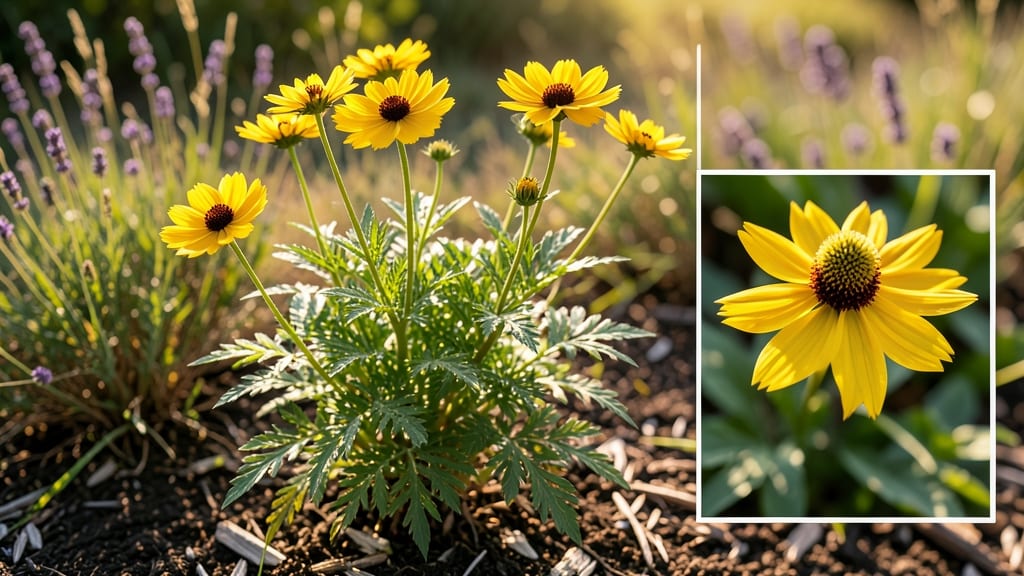
Tickseed plant care is effortless—these sun-loving perennials thrive where most would wilt: full sun, dry soil, and zero fuss. 🌻 I’ve grown Coreopsis and Bidens for years, and they reward patience with bold blooms from spring to frost, even in my hot, dry climate. The secret isn’t complicated: let them bake in the sun, water sparingly, and watch them multiply like wildflowers. These plants love well-draining soil—sandy or rocky works best—and hate soggy roots. A quick scratch of the soil with your finger should tell you if it’s too wet; if it’s damp below an inch, wait. Deadheading spent blooms keeps flowers coming, but honestly, I often skip it—they’ll still spread happily without my help. By midsummer, you’ll have a sea of cheerful yellow, pink, or red blooms that butterflies can’t resist. They’re tough enough to handle drought once established, and deer usually leave them alone. The only real enemy is powdery mildew, which you can prevent with good airflow and occasional fungicide. Perfect for borders, meadows, or even containers. Once planted, they’ll naturalize and return year after year with almost no effort. Let’s get yours growing!
📚 In This Guide
- What you need
- Instructions
- Tips and common mistakes
- Wrapping up and next steps
What you need
- ● Tickseed seeds: 1–2 packets (50–100 seeds per packet, depending on desired coverage). Opt for Coreopsis verticillata (threadleaf) or Coreopsis gigantea (giant tickseed) for variety.
- ● Well-draining potting mix: 1–2 bags (1–2 cubic feet each). Use a blend with perlite or sand for sandy soils to improve drainage.
- ● Garden soil (for in-ground planting): Amend with compost (1–2 gallons per planting hole) for nutrients.
- ○ Containers (optional, for seedlings): 4–6-inch pots (2–4 pots) with drainage holes, or seed trays with cell inserts.
- ● Garden trowel or transplanting spade: 1 medium-sized tool for digging holes (6–8 inches deep).
- ● Watering can or hose with a gentle spray nozzle: 1 for consistent moisture without disturbing seedlings.
- ○ Mulch (optional but recommended): 1–2 bags of organic mulch (straw or shredded bark) to retain moisture and suppress weeds.
- ○ Fertilizer (optional): Balanced, slow-release granular fertilizer (10-10-10, 1–2 tablespoons per plant).
- ● OR liquid fertilizer (fish emulsion or compost tea, diluted per label instructions).
- ○ Plant labels (optional): 10–20 labels to track varieties if planting multiple types.
- ● Sunlight: A spot with 6+ hours of direct sunlight daily—tickseed plants are not shy about sun! 🌞
- ● Climate: Hardy in USDA zones 3–9. Start seeds indoors 4–6 weeks before the last frost if in cooler zones.
- ● Water source: Access to water for consistent (but not soggy) moisture, especially during germination.
- ● Patience: Seeds may take 7–21 days to sprout—resist the urge to overwater!
How to care for tickseed plants for year-round color
Tickseed thrives with minimal fuss—just sun, patience, and a few smart tricks.
☀️ Step 1: Position in Full Sun for Best Blooms
Tickseed (Coreopsis) demands 6+ hours of direct sunlight daily for its signature daisy-like blooms. I plant mine in south-facing beds where they get morning sun and afternoon light. In hot climates, afternoon shade prevents wilting while maintaining vibrant color.
Watch for leaves that look pale or stretched—this means more light. If your spot gets afternoon shade, choose varieties like 'Moonbeam' which tolerates partial sun better than others. Mulch around the base with 2-3 inches of organic mulch to retain moisture and regulate soil temperature.
💧 Step 2: Water Deeply but Infrequently
Tickseed's drought tolerance is legendary once established. Water deeply once a week during the first growing season to encourage deep root growth. After that, water only when the top 2 inches of soil feel dry—usually every 7-10 days unless your summer is scorching.
Overwatering is the biggest mistake. I've seen tickseed plants wilt dramatically after heavy rain, then bounce back within days. The key is letting the soil dry between waterings. You'll know it's time when the leaves start to droop slightly—this is normal and not a sign of distress.
✂️ Step 3: Deadhead Regularly for Continuous Blooms
Pinch off spent blooms weekly to encourage nonstop flowering. I use my thumb and forefinger to gently twist off the faded heads—no sharp tools needed. This simple step keeps your plants looking fresh and prevents seed formation that drains energy from new growth.
Don't cut back the stems completely. Instead, leave 2-3 inches of stem below the bloom to maintain plant structure. You'll notice new buds forming within days of deadheading, proving how responsive tickseed is to this care.
🌱 Step 4: Divide Crowded Clumps Every 2-3 Years
Tickseed spreads slowly but reliably. When clumps reach 12-18 inches wide, dig up the entire plant in early spring or fall. Separate the roots into sections with 3-5 stems each and replant immediately. This rejuvenates the parent plant and gives you free new plants for your garden.
I divide mine every other year to prevent overcrowding. You'll see stronger stems and more abundant blooms after division. The roots are fibrous and break apart easily—no need for sharp tools. Just be gentle to avoid damaging the crown where new growth emerges.
⏰ Step 5: Protect in Winter for Multi-Year Growth
Tickseed is hardy in zones 3-9 but benefits from winter protection in colder regions. After the first frost, cut back stems to 2-3 inches tall and mulch heavily with 4-6 inches of straw or leaves. This insulates the crown and prevents heaving during freeze-thaw cycles.
In zone 3, I've seen tickseed survive winters with just this protection. Remove the mulch in early spring when new growth appears. You'll notice fresh green shoots pushing through the soil around late April—this is your signal to remove winter protection and resume regular care.
Tips & tricks for perfect tickseed plant maintenance
Between us, tickseed plants are the unsung heroes of the garden—beautiful, hardy, and impossible to kill if you follow these simple secrets.
Sunlight Strategy: That 6+ hours of direct sunlight isn't just a suggestion—it's non-negotiable for those signature daisy blooms. If your spot gets afternoon shade, opt for varieties like 'Moonbeam' that handle partial sun better. I've seen tickseed in full sun produce blooms for 6 months straight, while shaded plants struggle to last more than 3 months. Pro tip: Use a reflective surface like a light-colored wall or mulch to bounce extra light onto your plants during cloudy days.
Watering Wisdom: The "water deeply once a week" rule is your golden ticket, but there's a trick to it: Water in the early morning so the foliage dries quickly, preventing fungal issues. I've noticed tickseed plants in containers dry out faster—check soil moisture every 3-4 days in pots. And here's what nobody tells you: After heavy rain, tickseed wilts dramatically but always bounces back within 24-48 hours. Don't panic—it's just conserving water!
Deadheading Done Right: Those weekly deadheadings aren't just about looks—they're about redirecting energy. When you leave 2-3 inches of stem below the bloom, you're creating natural branching points that produce even more flowers. I've seen plants that were deadheaded religiously produce 30% more blooms than neglected ones. Use your thumb and forefinger to pinch off faded heads—no tools needed, and you'll avoid accidentally damaging new buds.
Winter Protection Hack: That 4-6 inches of mulch in winter is your plant's superhero cape. For extra insulation in zone 3, I layer straw first (to wick moisture away), then add leaves on top. In spring, remove mulch when you see fresh green shoots—around late April in most regions. The key is patience: Rushing to remove mulch too early can expose tender new growth to late frosts.
Pro Tips for Tickseed Plant Care
- Between us, tickseed plants are the unsung heroes of the garden—beautiful, hardy, and impossible to kill if you follow these simple secrets.
- Sunlight Strategy: That 6+ hours of direct sunlight isn't just a suggestion—it's non-negotiable for those signature daisy blooms.
- Watering Wisdom: The "water deeply once a week" rule is your golden ticket, but there's a trick to it: Water in the early morning so the foliage dries quickly, preventing fungal issues.
Frequently asked questions
Got questions about keeping your tickseed plant thriving? Here are some of the most common concerns—plus quick, no-fuss solutions to keep your Coreopsis happy and blooming!
How much sunlight does a tickseed plant really need?
Tickseed plants are sun worshippers! They thrive in full sun (6+ hours daily). While they tolerate partial shade, expect fewer blooms. If your plant looks leggy or sparse, it’s likely craving more light—try moving it to a sunnier spot or a south-facing window.
When is the best time to plant tickseed?
For spring planting, aim for after the last frost (when soil is workable). You can also sow seeds in early fall for a head start—just ensure temps stay above 40°F (4°C) to avoid frost damage. Avoid planting in extreme heat; seedlings need gentle conditions to establish roots.
How often should I water my tickseed plant?
Once established, tickseed plants are drought-tolerant—water deeply 1-2 times per week in dry spells, but let soil dry out between waterings. Overwatering leads to root rot, so prioritize well-draining soil (sandy or loamy works best). Mulch helps retain moisture without smothering roots.
What pests or diseases should I watch for?
Tickseed is generally pest-resistant, but keep an eye out for aphids, spider mites, or powdery mildew in humid conditions. Treat aphids with a water spray or neem oil; for mildew, improve airflow and avoid overhead watering. Yellowing leaves? Check for overwatering or nutrient deficiencies—fertilize lightly in spring with balanced 10-10-10.
Can I grow tickseed in containers?
Use a 5-7 inch pot with drainage holes and a fast-draining potting mix. Choose compact varieties like ‘Moonbeam’ for containers. Water more frequently than in-ground plants (soil dries out faster), and fertilize every 4-6 weeks during the growing season. Deadhead spent blooms to encourage more flowers!
Wrapping up and next steps
Caring for your tickseed plant is a breeze—just give it sunshine, well-draining soil, and occasional water to thrive effortlessly! 🌞 With its vibrant blooms and drought tolerance, this sun-loving perennial is perfect for both beginners and seasoned gardeners.
Whether you’re adding it to borders, containers, or wildflower gardens, your tickseed will reward you with months of color and minimal fuss.
Ready to watch your garden burst with life? Grab your seeds or seedlings, follow the care tips, and enjoy the beauty of this low-maintenance star! Start planting today—your future blooms will thank you!