
Lawn
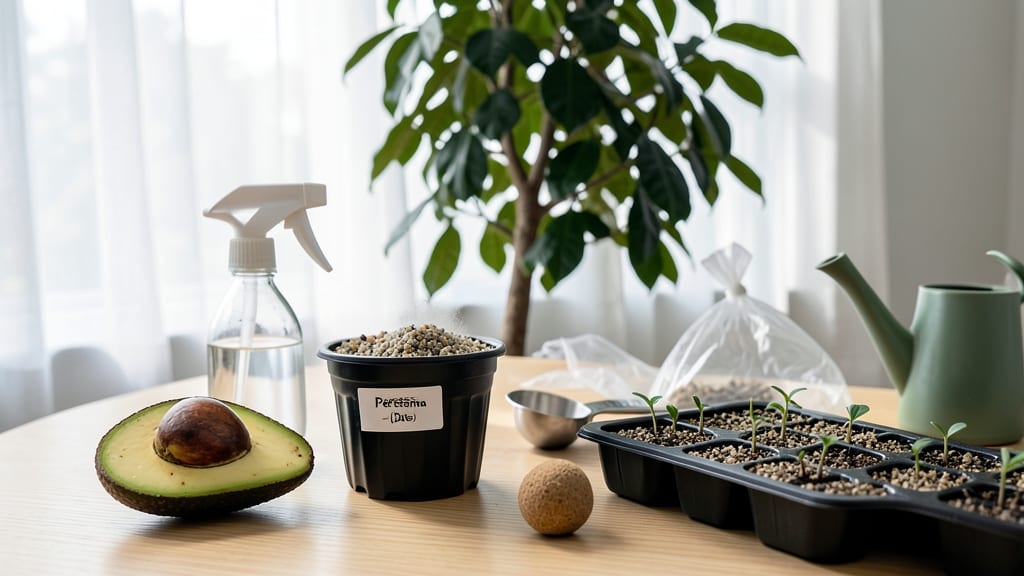
Growing an avocado tree from seed to fruit is the ultimate patience test—but the payoff is worth every wait. 🌱 I’ve turned pit-to-plate into a rewarding journey, and you can too, even if your last plant lived longer than your willpower.
The secret isn’t magic; it’s methodical care over two years, with no shortcuts (or twists) along the way.
Start with a fresh avocado pit, a glass of water, and toothpicks to hold it upright—no fancy tools needed. Germination takes 4-8 weeks, and the first leaves signal the real adventure begins.
Transplanting into soil marks the shift from "experiment" to "future fruit tree," but here’s where most people rush and regret it.
By year two, you’ll see real growth: sturdy stems, glossy leaves, and—if you’re lucky—tiny flower buds. Prune wisely, protect from frost, and watch as your seedling transforms into a tree capable of bearing fruit.
The timeline isn’t fast, but the process is oddly satisfying, like watching a slow-motion masterpiece unfold.
Whether you’re a skeptic or a hopeful, this method works for indoor starters or outdoor climates (zones 9-11). Skip the impatience—focus on the steps, and you’ll end up with a tree that’s not just alive, but thriving. Let’s get those pits growing!
📚 In This Guide
- What you need
- Instructions
- Tips and common mistakes
- Wrapping up and next steps
What you need
- ● Avocado pit: 1 fresh, organic avocado pit (preferably from a Hass variety for best results).
- ● Toothpicks or small skewers: 3–4 (to suspend the pit for rooting).
- ● Glass or jar: 1 (8–16 oz) with water to cover ~1 inch of the pit.
- ● Well-draining potting soil: 1 bag (mix of peat, perlite, and vermiculite for aeration).
- ● Small nursery pot: 1 (4–6 inches in diameter) with drainage holes.
- ● Spray bottle: 1 (for misting without overwatering).
- ● Fertilizer: 1 balanced, slow-release fertilizer (e.g., 10-10-10 or organic compost).
- ● Pruning shears: 1 (for shaping the tree as it grows).
- ● Grow lights or sunny windowsill: Access to 6+ hours of indirect sunlight daily.
- ○ Rooting hormone: Speeds up root development (optional but useful for faster growth).
- ● Humidity dome or plastic wrap: Keeps moisture high during the early stages.
- ● pH test kit: Ensures soil pH stays between 6.0–7.0 (avocados prefer slightly acidic soil).
- ● Larger pot (1–2 gallons): For transplanting when roots fill the nursery pot.
- ● Mulch or bark chips: Helps retain moisture and regulate soil temperature.
Step-by-Step instructions for growing avocado trees from seed
Here's the method I've perfected over years—no special tricks, just patience and precision.
🌱 Step 1: Germinate the Seed Using the Toothpick Method
Start by removing the seed from the avocado pit, then wash off any remaining fruit. Insert three toothpicks around the middle of the pit, spacing them evenly. Place the pit in a glass or jar with 2-3 inches of water so the bottom half is submerged but the top half stays dry. The toothpicks keep it suspended without drowning the seed.
Position the glass in a warm spot with bright, indirect light—a south-facing window works well. Change the water every 3-4 days to prevent bacterial growth. Within 2-6 weeks, you'll see roots emerge first, followed by a green shoot breaking through the top. This is your signal to move to soil.
🪴 Step 2: Transplant the Germinated Seed into Soil
Once the root system reaches 2-3 inches and the shoot is 2-3 inches tall, it's time to plant. Fill a 6-inch pot with well-draining potting mix—I mix equal parts potting soil, perlite, and coconut coir for aeration. Dig a hole deep enough to bury the seed halfway, leaving the top half exposed to encourage a straight stem.
Water lightly until moisture reaches the bottom of the pot, then place it in bright, indirect light again. Avoid direct sun at this stage—it can scorch the tender new leaves. Keep the soil evenly moist but never soggy. You'll notice the first true leaves (not the initial seed leaves) emerge within 2-4 weeks after transplanting.
☀️ Step 3: Provide Gradual Sun Exposure and Prune for Strength
After the seedling develops 4-5 true leaves, it's ready for morning sunlight. Start with 2-3 hours of direct sun daily, then gradually increase exposure over 2 weeks to 6 hours. This hardening process prevents sunburn and strengthens the stem. Rotate the pot quarter-turn weekly to ensure even growth.
When the seedling reaches 12 inches tall, pinch off the top set of leaves to encourage bushier growth. This redirects energy to lateral branches, which will support more fruit later. Prune with clean, sharp scissors just above a leaf node—never tear the stem. Fertilize lightly with a balanced 10-10-10 fertilizer diluted to half-strength every 4 weeks starting at this stage.
✂️ Step 4: Repot and Train for Fruit Production
By 6 months, your avocado tree will need a larger pot—10-12 inches deep with fresh potting mix. Choose a pot with drainage holes to prevent root rot. Gently remove the seedling, loosen the root ball, and repot, burying the stem deeper this time to stabilize it. Water thoroughly after repotting to settle the soil.
To encourage flowering, place the tree in full sun (6+ hours daily) and maintain consistent moisture. In cooler climates, bring it indoors during winter if temperatures drop below 50°F. Pollinate by hand if indoors—use a small brush to transfer pollen between flowers. With patience, you'll see first flowers in 1-2 years, followed by fruit in 2-3 years.
Tips & tricks for perfect avocado tree growth
These simple yet powerful strategies will help you avoid common pitfalls and maximize your avocado tree's potential from seed to fruit.
Lighting Precision: Avocado seedlings thrive on bright, indirect light during germination—south-facing windows are ideal, but avoid direct sun until Step 3. If your space lacks natural light, supplement with a grow light 6-8 inches above the seedling for 12-14 hours daily. I've seen seedlings stretch unnaturally toward weak light sources, so monitor their growth direction closely.
Water Quality Matters: Use room-temperature, filtered water for both germination and soil watering. Chlorine in tap water can stress young roots, while cold water shocks the system. The 3-4 day water change schedule in Step 1 prevents bacterial growth while maintaining oxygen levels—never let the water stagnate. I've noticed faster root development when using rainwater or distilled water.
Transplant Timing Secret: Wait until both roots AND shoot reach 2-3 inches before transplanting—this ensures the seedling has enough energy reserves for the transition. I've seen seedlings fail when transplanted too early because their root systems weren't developed enough to support new growth. The halfway burial technique in Step 2 creates stability while allowing the stem to stay upright naturally.
Fertilizer Strategy: Start fertilizing only after the 4-week mark in Step 3—young seedlings don't need nutrients yet. When you begin, use the half-strength 10-10-10 formula to avoid burning tender roots. I've found that over-fertilizing at this stage can actually stunt growth rather than promote it. Always water thoroughly before and after fertilizing to distribute nutrients evenly.
Pro Tips for Avocado Tree Seed To Fruit
- These simple yet powerful strategies will help you avoid common pitfalls and maximize your avocado tree's potential f...
- Lighting Precision: Avocado seedlings thrive on bright, indirect light during germination—south-facing windows are id...
- Water Quality Matters: Use room-temperature, filtered water for both germination and soil watering. Chlorine in tap w...
Frequently asked questions
Got questions about growing an avocado tree from seed to fruit? You’re not alone! Here are answers to the most common curiosities—because even the greenest thumbs deserve a little clarity.
How long does it really take for an avocado seed to produce fruit?
Patience is key! While some sources say 5–13 years, healthy seeds in ideal conditions (warmth, sunlight, and proper care) can yield fruit in 3–5 years. Early blooms may not produce fruit—wait for a sturdy trunk (3+ inches thick) before expecting avocados.
Why isn’t my avocado seed sprouting after weeks in water?
Don’t panic! Seeds need 3–6 weeks to sprout—some take longer. Check for rot (foul smell, mushy seed) or dryness (cracked seed). Keep the toothpick end submerged in lukewarm water (not cold) and change it weekly. If it’s still dormant, try a gentle scratch on the seed coat to encourage germination.
Can I grow an avocado tree indoors, or does it need a yard?
Indoor growth is possible, but outdoor conditions (full sun, 6+ hours/day) speed up fruiting. If indoors, place near a south-facing window or use grow lights. Once the tree outgrows its pot (3–4 years), transplant it outdoors for better fruit production. Pro tip: Rotate the pot weekly to prevent lopsided growth.
What if my avocado tree only grows leaves and no fruit?
Young trees focus on foliage first—fruit comes later! Ensure it gets sunlight, balanced fertilizer (low nitrogen after 2 years), and consistent watering. Prune leggy branches to encourage bushier growth. If it’s past 5 years old, hand-pollinate flowers with a soft brush (avocados are self-pollinating but benefit from a little help!).
Are there faster-growing avocado varieties I can buy instead of starting from seed?
Yes! Seed-grown trees are unpredictable, but grafted varieties like Hass, Fuerte, or Reed fruit in 2–3 years and produce larger, more reliable harvests. Check local nurseries for cold-hardy options if you’re in a cooler climate. Bonus: Grafted trees retain parent plant traits (e.g., Hass avocados stay Hass!).
Wrapping up and next steps
Growing an avocado tree from seed to fruit is a rewarding journey that blends patience with pure satisfaction—and yes, it’s totally doable! 🌱 From sprouting your seed to harvesting creamy, delicious fruit in just two years, you’ve unlocked a skill that’s both practical and magical.
Whether you’re a green thumb or a beginner, this process proves that nature’s timeline is worth the wait.
Now that you’re armed with tips and tricks, take the next step: grab that seed, find a sunny spot, and let your avocado adventure begin! Share your progress with fellow plant lovers—your future fruit might just inspire someone else’s green thumb. 🌟