
Lawn
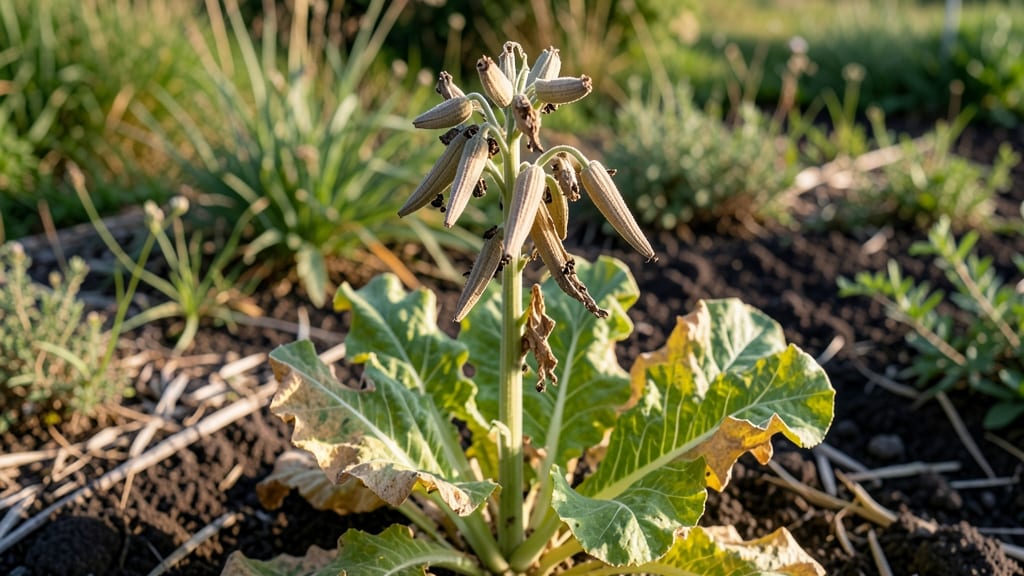
Harvesting lettuce seed pods turns your garden into a self-sustaining treasure chest. 🌱 The secret lies in letting your best-performing lettuce bolt—yes, that means letting it flower—before collecting those tiny pods packed with next year's potential. Start with varieties like loose-leaf buttercrunch or romaine, which bolt reliably.
Once the plant sends up a tall stem and flower clusters form, wait until the pods turn brown and crispy—about 4-6 weeks after bolting. A gentle twist or snip separates them from the stem. Drying takes just 7-10 days in a paper bag or on a screen.
Store the seeds in a cool, dark place for up to 3 years, and you'll have fresh starts without buying new packets. The first time you plant these homegrown seeds, you'll taste the difference in flavor and vigor.
This method works for any garden size, from balcony containers to backyard plots. Here's how to avoid common pitfalls and maximize your seed yield—no green thumb required!
📚 In This Guide
- What you need
- Instructions
- Tips and common mistakes
- Wrapping up and next steps
What you need
- ● Lettuce plants: Choose loose-leaf or butterhead varieties (e.g., ‘Black Seeded Simpson,’ ‘Buttercrunch’). You’ll need 5–10 mature plants for a good seed harvest.
- ● Garden space: A 6-inch-deep container or 6x6-foot plot with well-draining soil (pH 6.0–7.0). Full sun to partial shade (4–6 hours/day) is ideal.
- ● Organic compost: 2–3 cups per plant to enrich soil and encourage flowering.
- ● Watering can or hose: With a gentle spray nozzle to avoid disturbing plants.
- ● Pruning shears: Sharp, sterilized shears for harvesting seed pods.
- ● Paper bags or breathable mesh bags: 5–10 bags (quart-sized) to collect dry seeds.
- ● Labeling tags: Waterproof markers + stakes to track lettuce varieties.
- ● Gloves: Lightweight gardening gloves to protect hands from prickly stems.
- ● Row covers: Lightweight fabric to shield plants from pests (e.g., aphids) during flowering.
- ○ Fan or dehumidifier: Optional for indoor drying if pods must ripen inside.
- ● Seed envelope kit: For long-term storage (include silica gel packets to prevent moisture).
- ● pH test kit: To ensure soil is in the optimal range for germination.
Step-by-Step guide to harvesting lettuce seed pods
Saving your own lettuce seeds is simpler than you think—just follow these precise steps.
🌱 Step 1: Select the Right Lettuce Variety
Not all lettuce varieties produce seed pods. Choose looseleaf or romaine types labeled as "open-pollinated" or "heirloom." Avoid hybrid varieties—they won’t produce true-to-type seeds. Look for plants that bolt naturally in your climate; this means they’ll flower and go to seed without forcing.
I like to let a few plants in my garden bolt naturally in late summer. When the plants send up tall flower stalks, that’s your signal they’re ready for seed production. If your lettuce stays compact and leafy, it’s not the right variety for seed saving.
☀️ Step 2: Provide Ideal Conditions for Flowering and Seed Development
Lettuce needs full sun (6+ hours daily) and consistent moisture to flower properly. Once the plants bolt, reduce watering slightly to prevent rot in the seed pods. I water deeply every 3-4 days once the flower stalks appear, letting the soil dry slightly between waterings.
Watch for yellowing leaves—this is normal as the plant redirects energy to seed production. If leaves wilt excessively, it’s a sign of drought stress. Keep an eye on the flower clusters; they’ll start as small buds and grow into brown, papery seed heads over 4-6 weeks.
✂️ Step 3: Harvest Seed Pods at Peak Maturity
Harvest seed pods when they’re fully brown and dry but before they shatter. I check pods daily in late summer—they’ll feel crisp and papery, almost like dried paper. If you wait too long, seeds will scatter, and you’ll lose your harvest.
Cut the entire seed head with 2-3 inches of stem attached using clean scissors. Lay the heads in a paper bag (not plastic) in a dry, shaded spot for 3-5 days to finish drying. Shake the bag gently each day to release any mature seeds. Store the dried heads in an airtight container in a cool, dark place.
🌿 Step 4: Clean and Store Seeds for Next Year
Once the seed heads are completely dry, rub them between your hands over a white tray or sheet of paper to separate seeds from chaff. Lettuce seeds are tiny and dark—black or dark brown—so you’ll need good light to spot them. Discard any debris and store seeds in a small envelope or jar labeled with the variety and harvest date.
Seeds stay viable for 2-3 years if kept dry and cool. I like to test a few seeds each spring before planting the whole batch—if they germinate within 7-10 days, they’re still good to use. If germination is slow or spotty, it’s time to start fresh with new seeds.
Tips & tricks for perfect lettuce seed pod harvesting
Here's what nobody tells you about turning your garden lettuce into next year's crop—avoid these common pitfalls.
Variety Verification: Double-check those seed packets for "open-pollinated" labels—this isn't just marketing jargon. I once wasted two summers trying to save seeds from a "heirloom" lettuce that turned out to be a hybrid. The flower stalks looked promising, but the seeds produced plants that bolted immediately instead of forming proper heads. Always verify with the seed company if unsure.
Flowering Conditions: The 6+ hours of daily sun and 3-4 day watering schedule in Step 2 are non-negotiable for proper seed development. I learned this the hard way when my first attempt produced only a few viable seeds—turns out my afternoon shade from neighboring trees was cutting sunlight by 2 hours. Position your plants where they'll receive unobstructed sun from morning until evening.
Harvest Timing: Those crisp, papery seed pods in Step 3 are your golden window—literally. I now set a daily alarm reminder to check my plants because that perfect moment when pods are fully brown but haven't begun to shatter happens quickly. Once seeds start scattering, you've lost that batch. The 3-5 day drying period in paper bags is crucial too; plastic traps moisture and encourages mold growth.
Seed Viability Test: Don't skip the 7-10 day germination test mentioned in Step 4—it's your quality control. I've had seeds that looked perfect but failed to sprout, only to discover they'd been stored in a slightly damp container. Test a small sample first, then commit to planting the full batch. This simple step saves you from planting hundreds of seeds that won't grow.
Pro Tips for Lettuce Seed Pods
- Here's what nobody tells you about turning your garden lettuce into next year's crop—avoid these common pitfalls.
- Variety Verification: Double-check those seed packets for "open-pollinated" labels—this isn't just marketing jargon.
- Flowering Conditions: The 6+ hours of daily sun and 3-4 day watering schedule in Step 2 are non-negotiable for proper seed development.
Frequently asked questions
Got questions about harvesting and saving lettuce seed pods? Here are some of the most common ones—and their answers—to help you succeed:
How do I know when lettuce seed pods are ready to harvest?
Lettuce seed pods are ready when they turn dry and papery, usually 60–90 days after flowering. Give them a gentle squeeze—if they crumble easily, they’re ready! Avoid harvesting when damp, as moisture can spoil the seeds.
Can I harvest lettuce seeds in cold or rainy weather?
Nope! Harvest seeds only on dry, warm days (ideally 70°F+). Rain or humidity can cause mold or rot. If bad weather is forecast, bring pods indoors to dry on paper towels before opening.
What if my lettuce bolts before producing seed pods?
Bolting (premature flowering) often happens in heat or stress. To prevent it, grow lettuce in cool seasons (spring/fall) and keep soil consistently moist. If bolting occurs, let the flowers go to seed—you’ll still get pods, just later!
How should I store harvested lettuce seeds for long-term saving?
Store seeds in a cool, dry place (like a sealed jar in the fridge) for up to 3 years. For best viability, label with the harvest date and variety. Avoid plastic bags—paper envelopes prevent moisture buildup!
What’s the easiest way to clean lettuce seeds from pods?
Crush dried pods by hand or rub them between your palms to release seeds. Then, winnow them by placing pods in a bowl and gently blowing away chaff (light debris). Strain through a fine mesh sieve for pure seeds!
Wrapping up and next steps
Harvesting lettuce seed pods is a simple yet rewarding way to save seeds year-round and ensure a fresh supply of your favorite greens. By following stress-free techniques—like proper drying, storage, and even creative methods like paper bags or envelopes—you can preserve viability for future planting.
Whether you're a seasoned gardener or just starting out, this process connects you deeper to the cycle of growth and sustainability.
Ready to take the next step? Start small—try saving seeds from just one or two lettuce varieties this season! Share your success with fellow gardeners or explore expanding your seed-saving skills to other leafy greens. Happy harvesting! 🌱