
Shrubs
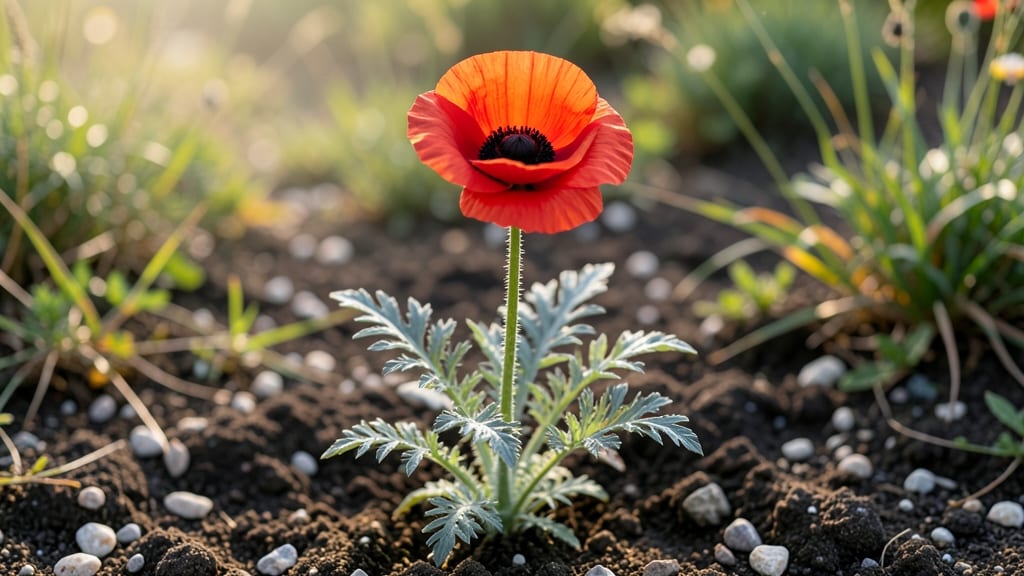
Growing red breadseed poppies from seed starts with a cold stratification trick that guarantees those iconic crimson blooms. 🌸 I learned the hard way—skipping this step means waiting months for germination, if it happens at all.
The secret to reliable blooms lies in mimicking winter's chill, which breaks seed dormancy naturally. These poppies thrive in poor soil and full sun, making them perfect for wildflower meadows or cottage gardens.
Plant seeds just ¼ inch deep in early fall, or stratify them yourself with a damp paper towel in the fridge for 4-6 weeks. Once sprouted, they grow fast—expect 2-3 foot plants with blooms by early summer.
The payoff is worth the patience: clusters of papery red blooms that last weeks, attracting bees and adding drama to borders. They self-seed freely, creating naturalizing displays year after year. Even drought won't stop them once established. Pair them with lavender, catmint, or salvia for a low-maintenance, pollinator-friendly garden.
Here's how to get those seeds blooming reliably!"
📚 In This Guide
- What you need
- Instructions
- Tips and common mistakes
- Wrapping up and next steps
What you need
- ● Seeds: Red breadseed poppy seeds (1–2 grams per planting, enough for ~50–100 plants). Look for heirloom or organic varieties for best results.
- ● Cold stratification: Refrigerator (set to 34–40°F (1–4°C))
- ● Sealed plastic bag or container with a damp paper towel (to mimic winter moisture)
- ○ Optional: Peat moss or vermiculite (for moisture retention during stratification)
- ● Growing medium: Well-draining potting mix (e.g., 50% peat/coir + 50% perlite/sand)
- ● Seed-starting trays or small pots (3–4 inches deep, with drainage holes)
- ● Tools: Spray bottle (for gentle watering)
- ● Small hand trowel or spoon (for transplanting)
- ● Grow lights or sunny windowsill (for seedlings)
- ● Seedling heat mat (70–75°F (21–24°C) to speed germination)
- ● Humidity dome or plastic wrap (to retain moisture early on)
- ● Fertilizer (balanced 10-10-10 or organic compost tea, once seedlings have 2–3 true leaves)
- ● Garden twine or stakes (for supporting taller plants later)
- ● Outdoor garden space (full sun, 6+ hours/day, and well-drained soil for transplanting)
Step-by-step instructions for growing red breadseed poppies
Cold stratification unlocks poppy germination—here's how to break dormancy and get reliable blooms.
🌱 Step 1: Collect and Prepare Seeds for Stratification
Harvest mature poppy seed pods when they're dry and papery, then crack them open to release the tiny black seeds. Store them in a sealed container with a damp paper towel in the refrigerator for 8-12 weeks—this mimics winter's cold period and triggers germination. I like to label the container with the date to track stratification progress.
Check the paper towel weekly—it should stay moist but not soggy. If it dries out, mist it lightly. The cold treatment breaks the seed's natural dormancy, ensuring consistent germination rather than spotty results. Real talk: Skipping this step means waiting months for seeds to sprout, if they ever do.
⏰ Step 2: Sow Stratified Seeds at the Right Time
After stratification, sow seeds outdoors in early spring (about 4-6 weeks before your last frost date) or indoors in late winter (8-10 weeks before transplanting). Poppies thrive in cool weather and resent summer heat, so timing matters. Plant seeds ¼ inch deep in well-draining soil—these seeds need light to germinate, so don't bury them too deeply.
Space seeds 6-12 inches apart in rows 12-18 inches apart for full, airy blooms. I tap the seed packet gently to release one seed at a time—planting too many in one hole leads to weak, crowded seedlings. Water gently after sowing to settle the soil without disturbing the seeds.
☀️ Step 3: Provide Optimal Light and Minimal Care
Poppies need full sun (at least 6-8 hours daily) but surprisingly little water once established. After germination, water only when the top inch of soil feels dry—overwatering causes rot. You'll see first true leaves appear in 10-14 days, signaling it's time to thin seedlings to 6 inches apart if they're crowded.
Here's the thing—poppies grow fast but hate disturbance. Avoid fertilizing unless your soil is poor; too much nitrogen makes them leggy. Instead, focus on keeping the soil loose and well-draining. You'll know you're doing it right when seedlings develop deep green leaves and sturdy stems by mid-spring.
✂️ Step 4: Support Tall Stems and Deadhead for Continuous Blooms
As plants reach 18-24 inches tall, they may need staking—especially in windy areas. I use 3-foot bamboo stakes tied loosely with twine to avoid damaging stems. Poppies produce papery seed pods that weigh down stems; removing spent blooms (deadheading) encourages more flowers.
Harvest seeds when pods turn brown and papery—usually 6-8 weeks after flowering. Leave a few pods on the plant for natural reseeding if you want poppies to return next year. The reason we deadhead is simple: it redirects energy from seed production back into new blooms, extending your display for weeks.
Tips & tricks for perfect red breadseed poppy cultivation
Here's what nobody tells you about growing these stunning blooms—tricks that'll save you from the common pitfalls I've seen over the years.
Timing Secret: The 8-12 week stratification period is non-negotiable for reliable germination, but here's the thing: if you're impatient, you can speed up the process by using a seed stratification mat set to 40°F instead of relying on your fridge's inconsistent temperature. Just monitor the moisture level religiously—those seeds need consistent dampness, not sogginess. I've seen seeds fail because the paper towel dried out during this critical period, so set a reminder to check weekly.
Planting Precision: When sowing your stratified seeds in Step 2, don't just eyeball that ¼ inch depth—use a ruler or even a pencil to mark your furrows. Poppy seeds need light to germinate, so planting too deep smothers them. I've had better luck with a shallow scratch in the soil rather than pressing seeds down. Also, resist the urge to water heavily after planting—just a fine mist is enough to settle the seeds without disturbing them.
Light Management: Those 6-8 hours of daily sunlight are essential, but here's what I learned the hard way: if you're growing in partial shade, your poppies will still grow but produce fewer blooms. I've seen poppies in filtered light grow tall and leggy with minimal flowers—it's like they're stretching toward the sun. If you must grow in partial shade, supplement with a grow light for 4-6 hours daily to compensate.
Deadheading Strategy: When you're ready to deadhead in Step 4, don't just snip off the spent blooms—cut back to the first set of healthy leaves. This prevents the plant from putting energy into seed production and encourages more blooms. I've found that consistent deadheading can extend your flowering season by 3-4 weeks, giving you continuous color instead of a single flush of blooms.
Pro Tips for Red Breadseed Poppy
- Here's what nobody tells you about growing these stunning blooms—tricks that'll save you from the common pitfalls I'v...
- Timing Secret: The 8-12 week stratification period is non-negotiable for reliable germination, but here's the thing: ...
- Planting Precision: When sowing your stratified seeds in Step 2, don't just eyeball that ¼ inch depth—use a ruler or ...
Frequently asked questions
Got questions about growing red breadseed poppies? You’re not alone! Here are answers to the most common queries—from timing to troubleshooting—to help you cultivate stunning blooms with confidence.
When is the best time to plant red breadseed poppies?
Plant seeds outdoors in early spring (after the last frost) or in late summer for fall blooms. If using cold stratification, sow seeds 6–8 weeks before your last frost date. For indoor starts, begin seeds 8–10 weeks before transplanting. Pro tip: These poppies thrive in cool weather and may struggle in hot, humid climates—avoid planting in summer heat!
How long does cold stratification take for red breadseed poppy seeds?
Cold stratification typically requires 4–6 weeks in the fridge (moistened seeds in a sealed bag). Place them in a plastic bag with a damp paper towel, then store at 34–40°F (1–4°C) for best results. Patience is key! Rushing this step may lead to poor germination. Test a few seeds after 4 weeks to check for sprouting.
Can I grow red breadseed poppies in containers?
These poppies adapt well to containers, especially if the pot has good drainage and is at least 6–8 inches deep. Use a lightweight, well-draining potting mix and place them in a sunny spot. Just avoid overcrowding—space seeds 12–18 inches apart for optimal airflow and blooms. Bonus: Container-grown poppies are perfect for balconies or small gardens!
Why aren’t my red breadseed poppy seeds germinating?
Common culprits include lack of stratification, too much moisture (leading to rot), or poor soil drainage. Ensure seeds are fresh (viability drops after 1–2 years) and planted in well-draining soil. Try scarifying seeds (lightly nicking the shell) or soaking them overnight if stratification fails. Pest pressure (like slugs) can also hinder sprouts—use organic slug bait if needed.
Are red breadseed poppies annuals or perennials?
They’re tender annuals in most climates but may self-seed prolifically, returning year after year in mild winters. In colder zones, treat them as short-lived perennials—they’ll often resprout from seed if conditions are right. Fun fact: Their papery seed pods add winter interest and reseed naturally, creating a low-maintenance display!
What’s the best companion plant for red breadseed poppies?
Pair them with low-growing perennials like thyme, lavender, or salvia to create a fragrant, pollinator-friendly border. Avoid planting near competing perennials (like daylilies) that may overshadow them. Design tip: Their delicate blooms contrast beautifully with grasses or coreopsis for a cottage-garden look!
Wrapping up and next steps
Growing red breadseed poppies is a rewarding journey that blends patience with beauty—thanks to their unique cold stratification needs!
By following the right steps, you’ll enjoy vibrant blooms that attract pollinators and add a rustic charm to your garden. Now’s the perfect time to take action: gather your seeds, prep your containers, and start the stratification process. Your future poppy patch awaits—happy planting! 🌱✨