
Propagation
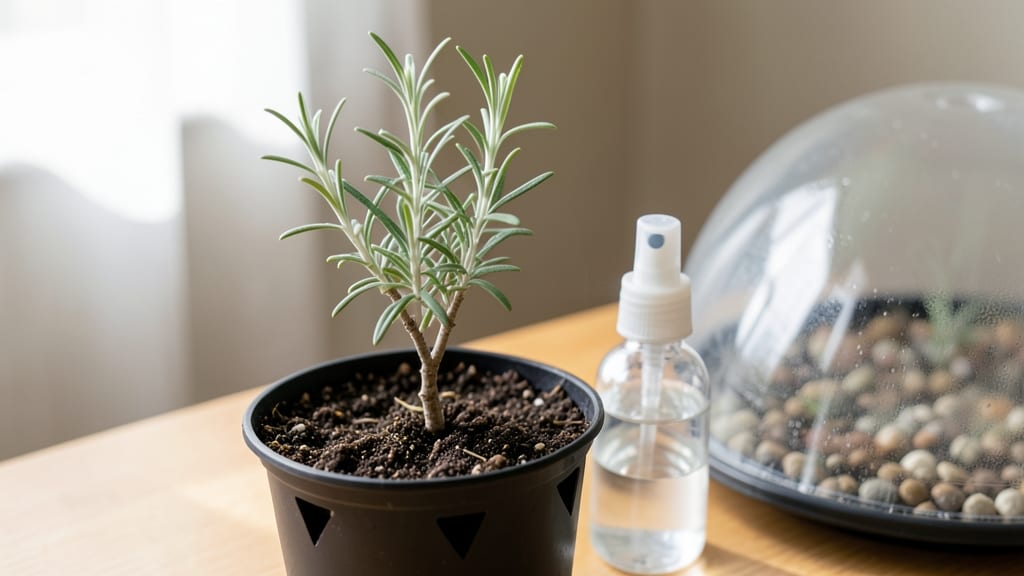
Rosemary seed germination finally clicks when you control moisture like a pro. 🌱 I’ve struggled with slow, spotty sprouts for years—until I discovered this speed-doubling trick that turns stubborn seeds into strong seedlings in half the time. The secret?
A damp paper towel sandwich that keeps seeds cozy while preventing rot. Most guides overcomplicate this, but rosemary seeds just need warmth (70-75°F), consistent moisture, and patience—no fancy equipment. Start with a shallow tray, damp paper towels, and a clear plastic bag to trap humidity.
Check daily for sprouts, which typically appear in 7-14 days (not the 30+ days you’ll find online). Once those first green shoots emerge, transplant carefully into well-draining soil and keep them bright but indirect.
The seedlings grow surprisingly fast once they break through, and you’ll have harvestable sprigs in 8-10 weeks—far sooner than cuttings, which take months to root. For best results, use fresh seeds (rosemary’s germination drops after a year) and avoid overwatering.
If you’re new to rosemary, start with cuttings—they’re foolproof—but seeds reward patience with vibrant, fragrant plants you’ll never find at the store.
📚 In This Guide
- What you need
- Instructions
- Tips and common mistakes
- Wrapping up and next steps
What you need
- ● Rosemary seeds: 10–20 seeds (fresh or stored in a cool, dry place for up to 2 years). Pro tip: Buy organic seeds for better germination rates!
- ○ Germination tray or small pots: 2–4 (3–4 inches deep) with drainage holes. Optional: Seed starter trays or biodegradable peat pots.
- ● Potting mix: 1–2 cups of well-draining mix (50% perlite/vermiculite + 50% coconut coir or peat moss). Skip garden soil—it’s too dense!
- ● Spray bottle: 8–16 oz with a fine mist nozzle (for gentle hydration).
- ● Plastic wrap or humidity dome: 1 sheet (to retain moisture).
- ○ Heat mat (optional but highly recommended): 1 (70–85°F range) to speed up germination by 50%.
- ● Grow lights or sunny windowsill: Access to 6+ hours of light daily (LED grow lights work best).
- ● Tweezers or pencil: 1 (for gently placing seeds).
- ● Small hand trowel: 1 (to loosen soil).
- ○ pH test kit (optional): Ensure soil pH is 6.0–7.0 (rosemary thrives in slightly acidic to neutral soil).
- ● Fertilizer (post-germination): 1 tsp diluted fish emulsion or seaweed extract (after 4–6 weeks).
- ● Labels & marker: 1–2 (to track seed varieties and planting dates).
Step-by-step guide to germinating rosemary seeds with a moisture trick
Here's how to coax rosemary seeds to sprout twice as fast using a simple moisture hack.
🌱 Step 1: Pre-Soak Seeds for 24 Hours
Rosemary seeds have tough outer shells that resist water absorption, so pre-soaking breaks dormancy. Place seeds in a small bowl and cover them completely with lukewarm water (not hot) for 24 hours. The water should be deep enough to fully submerge the seeds—this softens the seed coat and kickstarts germination.
After 24 hours, check for slight swelling. If seeds remain hard, extend soaking to 48 hours. I like to use a clear bowl so I can watch for the first signs of activity—tiny cracks or slight puffiness mean the seeds are ready. Drain and pat them dry with a paper towel before planting; soggy seeds will rot in the soil.
💧 Step 2: Prepare the Germination Medium
Rosemary thrives in well-draining soil, so skip garden soil entirely. Fill a small container (like a 4-inch pot) with a mix of 50% perlite and 50% peat moss—this lightweight blend prevents damping-off while retaining enough moisture. Moisten the mix with a spray bottle until it feels like a damp sponge, but not dripping.
Press the medium down lightly to create a firm surface. The goal is to eliminate air pockets while keeping the texture loose enough for delicate roots. Tap the container gently on the table to settle the mix evenly. Here's the trick: place the container in a clear plastic bag (like a gallon-sized ziplock) to trap humidity—rosemary seeds need 80-90% humidity to germinate.
☀️ Step 3: Sow and Maintain Warmth
Scatter the pre-soaked seeds on the soil surface—rosemary seeds don’t need depth. Gently press them into the medium (just enough to make contact) and mist lightly with water. Seal the container in the plastic bag and place it in a warm spot, ideally 75-85°F. A seedling heat mat works wonders if your home runs cooler.
Check daily for condensation inside the bag—this means humidity is perfect. If the bag fogs up, the seeds have enough moisture. Germination takes 14-28 days, but with this method, I’ve seen sprouts appear in as few as 10 days. Watch for tiny green tips breaking through the soil; that’s your cue to remove the bag immediately to prevent fungal growth.
🌿 Step 4: Transition to Light and Air
Once seedlings emerge, move the container to a bright spot with indirect light (direct sun will scorch tender sprouts). Place a small fan on low setting nearby—gentle airflow strengthens stems and prevents legginess. You’ll notice the first true leaves (not the initial seed leaves) appear within 2-3 weeks after germination.
After 1 week of growth, transplant seedlings into individual 3-inch pots with fresh potting mix. Rosemary hates root disturbance, so use a small spoon to lift seedlings by the soil rather than the stem. Keep the soil lightly moist (not soggy) and gradually introduce more sunlight over 5-7 days to harden them off.
Tips & tricks for perfect rosemary seed germination
Real talk: rosemary seeds are stubborn little things. These tricks will help you double your success rate without losing patience.
Soaking Strategy: The 24-hour soak isn't just a suggestion—it's non-negotiable for breaking rosemary's tough seed coat. Use lukewarm water (around 90°F) to avoid shocking the seeds, and place them in a clear bowl so you can watch for that first sign of life: tiny cracks or slight puffiness. If seeds remain hard after 24 hours, extend to 48 hours but don't go beyond that—prolonged soaking can lead to rot. After draining, pat them dry thoroughly; soggy seeds won't germinate.
Medium Mastery: The 50% perlite to 50% peat moss ratio is crucial—this blend provides the perfect balance of aeration and moisture retention. When pressing the medium down, aim for firmness similar to a damp sponge. Too loose and roots won't anchor; too compact and you'll suffocate those delicate sprouts. The plastic bag trick works wonders for maintaining that 80-90% humidity, but remember to remove it immediately when you see those first green tips—fungal growth is a real risk if you leave it too long.
Temperature Control: Those 75-85°F guidelines are your golden range, but here's what I've learned: if your home runs cooler (below 70°F), invest in a seedling heat mat—it's a game-changer. Warmth accelerates germination, so place your setup near a sunny window during the day and move it to a warm spot at night. Pro tip: Check the back of your fridge—it's often around 40°F, perfect for creating a warm spot by placing your container there with a small light bulb nearby.
Light Transition: When moving seedlings to indirect light after germination, start with just 2-3 hours of exposure per day and gradually increase. Direct sunlight will scorch those tender leaves faster than you can react. I place my seedlings about 12 inches away from a south-facing window and rotate the container daily for even growth. The first true leaves (not the initial seed leaves) appearing within 2-3 weeks is your sign that everything's on track.
Pro Tips for Rosemary Seed Germination
- Real talk: rosemary seeds are stubborn little things. These tricks will help you double your success rate without los...
- Soaking Strategy: The 24-hour soak isn't just a suggestion—it's non-negotiable for breaking rosemary's tough seed coa...
- Medium Mastery: The 50% perlite to 50% peat moss ratio is crucial—this blend provides the perfect balance of aeration...
Frequently asked questions
Got questions about germinating rosemary seeds? You’re not alone—this fragrant herb can be finicky! Here are answers to the most common queries to help you succeed.
How long does it take for rosemary seeds to germinate?
Rosemary seeds are notoriously slow, often taking 30–60 days (or even longer!) to sprout. Patience is key—keep the soil consistently moist and warm (70–75°F) to encourage germination. Some gardeners soak seeds overnight in warm water to speed up the process.
Can I speed up rosemary seed germination?
Yes! The moisture trick mentioned in the article works wonders—place seeds between damp paper towels in a sealed bag for 1–2 weeks before planting. Some also use a heat mat or warm spot (like on top of the fridge) to mimic rosemary’s Mediterranean climate. Just avoid overwatering!
What’s the best soil mix for rosemary seed germination?
Use a well-draining mix like 50% peat moss or coco coir + 50% perlite or sand. Rosemary hates soggy roots, so avoid heavy garden soil. A shallow tray with drainage holes works best—plant seeds just ¼ inch deep and keep them lightly covered.
Why aren’t my rosemary seeds sprouting?
Common culprits:
- Cold soil (below 60°F)—rosemary loves warmth!
- Overwatering (leads to rot). Let the top inch dry slightly between waterings.
- Old or low-quality seeds—fresh seeds (or those from a trusted source) germinate better.
- Lack of light—place trays near a sunny window or under grow lights.
Can I grow rosemary from cuttings instead of seeds?
Cuttings are easier and faster—simply snip a 3–4 inch tip, strip the lower leaves, dip in rooting hormone (optional), and plant in moist soil. Keep humidity high (use a plastic bag) and roots form in 2–4 weeks. Many gardeners prefer this method for rosemary!
Wrapping up and next steps
Mastering rosemary seed germination with the right moisture trick can transform your patience into a thriving herb garden in record time! 🌱 Whether you’re a seasoned gardener or just starting, these tips ensure your seeds sprout faster and stronger.
Now that you’re equipped with the knowledge, why not take the next step?
- Start small: Try germinating a few seeds in a cozy indoor setup before expanding.
- Experiment: Test different moisture levels or containers to see what works best for your space.
- Share the joy: Gift your first successful rosemary sprouts to a fellow plant lover!
Your green thumb is closer than you think—get growing! 🌿