
Lawn
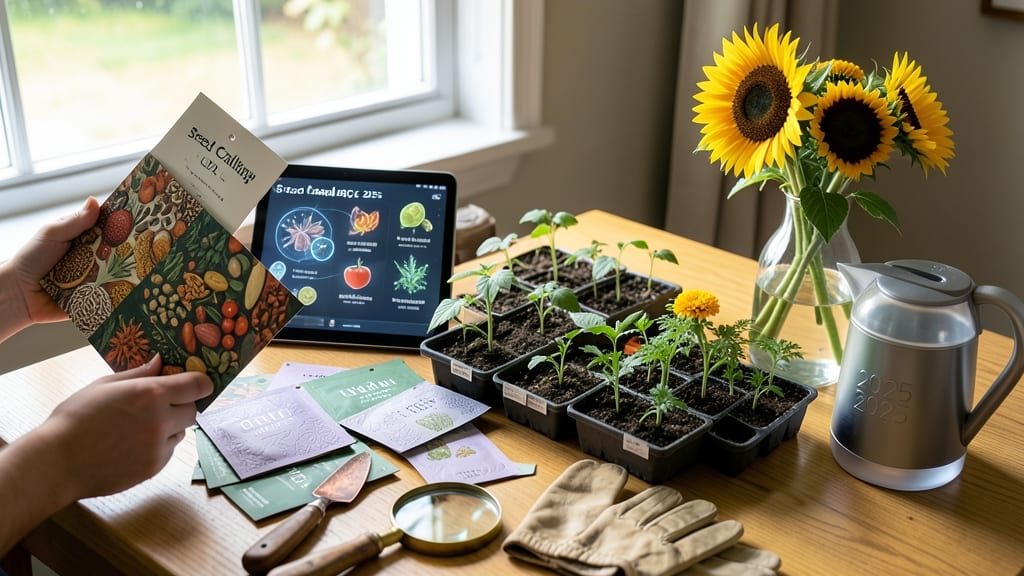
Ordering seeds from 2025 catalogs feels like unlocking a treasure chest of possibilities—especially when you spot those rare heirlooms that never make it to stores. 🌱 I’ve been tracking the latest releases, and this year’s offerings include drought-resistant varieties, ancient grains, and even pollinator-friendly flowers that double as edible garnishes.
The early-bird window opens in January, so timing matters if you want the best selection. What sets this year apart? Catalogs are leaning into regional adaptability, with clear planting zone guides and climate-specific recommendations. Some even include interactive maps showing frost dates and heat zones.
You’ll also find more organic-certified seeds and heirloom varieties that resist common pests—no more guessing whether a plant will thrive in your soil. By the time spring rolls around, you’ll have a garden plan packed with vibrant, high-yielding crops that feel tailor-made for your space.
The best part? Many catalogs now offer seed-saving kits, so you can grow, harvest, and replant your favorites year after year. No more relying on store-bought seedlings that never quite measure up. Pro tip: Compare catalogs side by side for pricing, variety availability, and shipping policies.
Some even offer discounts for bulk orders or multi-year subscriptions. Here’s how to make the most of your early orders!
📚 In This Guide
- What you need
- Instructions
- Tips and common mistakes
- Wrapping up and next steps
What you need
- ● Seed Catalogs (2025 Editions): At least 3-5 to compare varieties, growing zones, and specialties (organic, heirloom, etc.).
- ● Notebook & Pens: 1 spiral-bound notebook + 2 fine-tip markers (for tracking selections and notes).
- ● Ruler or Measuring Tape: 12-inch ruler for spacing/bed planning.
- ● Highlighters (3 colors): For categorizing seeds by type (veggies, flowers, herbs), maturity, or sunlight needs.
- ● Clipboard or Digital Tablet: To carry notes to your garden or review while ordering.
- ● Garden Planner Software/App: Tools like Gardenate or Planter for digital layouts (free/paid tiers available).
- ● Seed Envelopes or Organizers: 50+ pre-labeled envelopes to sort seeds by variety or planting season.
- ● UV-Protective Sleeve: For your catalogs if you’re reviewing outdoors.
- ● Printer & Cardstock: If you prefer physical copies of digital catalogs (for durability).
- ● Ergonomic Chair or Stool: For long planning sessions—comfort matters! 😉
- ● ✅ Know Your Zone: Check the USDA Plant Hardiness Zone Map for your area.
- ● ✅ Garden Layout Sketch: Rough draft of beds/rows (even a napkin sketch works!).
- ● ✅ Budget: Estimate costs for seeds, soil amendments, and tools (pro tip: prioritize heirloom/open-pollinated seeds for long-term savings!).
- ● ✅ Local Regulations: Check HOA rules or city ordinances on garden size/height (if applicable).
How to select and order from seed catalogs for your 2025 garden
Here's how I narrow down the best seed catalogs and order strategically for maximum variety.
📜 Step 1: Identify Your Climate and Growing Goals
Start by matching your USDA hardiness zone with catalogs that specialize in your region. I always cross-reference the zone maps in catalogs like Baker Creek or Johnny's Selected Seeds to ensure varieties will thrive where I live. For example, heat-tolerant tomatoes like 'Creole' won't ripen in northern zones, but 'Stupice' does beautifully.
Next, define your garden's purpose. Are you growing for culinary use, cut flowers, or pollinator support? I prioritize heirloom varieties for flavor but include hybrid disease-resistant options for high-value crops. Catalogs like Seeds of Change clearly label organic and heirloom selections, which saves me time sorting through options.
📊 Step 2: Compare Variety Availability and Specializations
Some catalogs excel in specific categories. High Mowing Seeds leads in organic and rare varieties, while Parker's focuses on heirlooms with historical significance. I make a spreadsheet comparing each catalog's strengths—like Burpee for classic favorites and Territorial Seed Company for drought-tolerant Southwest plants.
Pay attention to seed counts per packet. A standard tomato packet might yield 20-30 plants, while specialty varieties like cherry tomatoes could produce 50+. I order extra packets of my top performers to share with neighbors or replant if needed. Also check for packaged seed quantities—some catalogs offer bulk options for large gardens.
💰 Step 3: Calculate Costs and Shipping Strategies
Price per seed isn't always the best metric. I calculate the cost per plant by dividing the packet price by the number of seeds. A $3 packet of 100 seeds is cheaper per plant than a $2 packet of 10 seeds. Some catalogs offer discounts for larger orders, so I bundle seeds from the same company to maximize savings.
Shipping is another key factor. Many catalogs ship seeds for free, but bulk orders may incur fees. I prioritize catalogs with free shipping on orders over $50 or early-bird discounts for orders placed before January 31st. Also check return policies—some allow seed exchanges if a variety doesn't perform well.
⏰ Step 4: Set Order Deadlines and Track Availability
Seed catalogs often sell out quickly, especially popular varieties. I mark my calendar for early-bird ordering deadlines, which sometimes include free gifts like seed packets or gardening tools. For example, Baker Creek offers free seeds with orders placed before December 31st.
Track seed availability by checking catalogs' online inventory or signing up for email alerts. Some varieties, like rare peppers or heirloom squash, disappear fast. I order my top 3-5 must-have varieties first, then fill in with backups. Pro tip: Place orders in batches—start with high-demand seeds in December, then less competitive varieties in January.
📝 Step 5: Organize and Store Seeds for Planting
Once seeds arrive, I immediately organize them by planting season and maturity date. I use a labeled seed organizer or small envelopes with the variety name, catalog source, and planting instructions. For example, cool-season crops like lettuce go in one section, while warm-season tomatoes get another.
Store seeds in a cool, dark place (like a refrigerator) to maintain viability. Most seeds last 1-5 years, but I note the packaged date and germination rate on each packet. This ensures I plant the freshest seeds first. I also keep a separate emergency stash of my top performers in case a catalog sells out next year.
Tips & tricks for maximizing your 2025 seed catalog orders
Here's what I've learned after years of perfecting my seed catalog strategy—these tricks will help you avoid common pitfalls and get the most out of your garden planning.
Catalog Selection Strategy: Beyond just choosing catalogs based on region, I recommend creating a tiered system. Start with 2-3 specialty catalogs that align with your garden's unique needs—like Southern Exposure Seed Exchange for heat-loving varieties or Native Seeds/SEARCH for Southwest natives. Then supplement with 1-2 mainstream catalogs like Burpee or Park Seed for classic varieties. This approach gives you both niche options and familiar favorites without overwhelming your budget.
Variety Prioritization: In Step 2, when comparing seed counts, I go beyond just quantity and create a "must-have" list based on three factors: yield potential, flavor profile, and garden space requirements. For example, I'll order extra packets of cherry tomato varieties (which produce 50+ plants) but only one packet of large slicing tomatoes (which yield 20-30 plants). This ensures I get the most productive varieties without overcrowding my garden. I also flag heirloom varieties that take longer to mature for early ordering.
Cost Optimization: The cost-per-plant calculation in Step 3 is just the beginning. I take it further by tracking my actual planting success rate for each variety. Some seeds that seem inexpensive might have lower germination rates, making them more costly in reality. I maintain a spreadsheet where I note which catalogs consistently deliver high-quality seeds—this helps me justify spending a little more on a trusted supplier rather than saving pennies on an unknown brand that might underperform.
Organization System: For Step 5's storage organization, I've developed a color-coded system that goes beyond just planting seasons. I use red labels for cool-season crops, blue for warm-season, and green for perennial/self-seeding varieties. Within each color category, I further organize by maturity date (early, mid, late) using different shade intensities. This visual system helps me quickly identify what to plant when and ensures I don't accidentally plant frost-sensitive varieties too early. I also include a quick-reference guide on each bin showing the ideal planting window for each variety.
Pro Tips for Seed Catalogs 2025
- Here's what I've learned after years of perfecting my seed catalog strategy—these tricks will help you avoid common p...
- Catalog Selection Strategy: Beyond just choosing catalogs based on region, I recommend creating a tiered system. Star...
- Variety Prioritization: In Step 2, when comparing seed counts, I go beyond just quantity and create a "must-have" lis...
Frequently asked questions
Got questions about seed catalogs for 2025?
You’re not alone! Here are some of the most common queries—plus quick, practical answers to help you plan like a pro.
What’s the best time to order seed catalogs for 2025?
Most catalogs release their 2025 editions in late summer or early fall (August–October). Early-bird orders (by November) often get first dibs on popular varieties and discounts. Set reminders now—popular seeds sell out fast!
Are digital seed catalogs as reliable as printed ones?
Digital catalogs (PDFs or apps) offer instant access, searchable filters, and eco-friendly convenience. Many companies like Baker Creek Heirloom Seeds and Burpee provide both. Just double-check shipping times if ordering physical seeds later.
How do I pick seeds that’ll thrive in my climate?
Use the catalog’s USDA Plant Hardiness Zone map (Zone 1–13) and growing-degree-day charts to match seeds to your area. Pro tip: Look for “heirloom” or “region-specific” labels—they’re bred for resilience. Need help? Call the seed company’s gardening hotline!
What if my ordered seeds arrive damaged or don’t grow?
Reputable catalogs offer replacements or refunds for damaged seeds (check their return policy). For germination issues, test viability first: Soak seeds in water—sinkers are good; floaters may be old. Contact the company with photos of the packet and growth conditions.
Can I save money by buying seeds from multiple catalogs?
Yes! Bundle deals (e.g., “10 packets for $20”) or loyalty discounts add up. Compare prices across Seed Savers Exchange, Johnny’s Selected Seeds, and local nurseries. Watch for “seed swaps” or community garden group discounts too!
What’s the latest trend in 2025 seed catalogs?
Expect more climate-adaptive varieties (drought-resistant, heat-tolerant), AI-driven planting schedules, and sustainability perks like carbon-neutral shipping. Heirloom and “perennializing” seeds (self-seeding plants) are also trending—perfect for low-maintenance gardens!
Wrapping up and next steps
As you flip through the seed catalogs 2025, remember: every seed you choose is a promise of life, color, and harvest.
Whether you’re drawn to heirloom tomatoes, drought-resistant blooms, or pollinator-friendly perennials, this year’s options are packed with innovation and beauty—just waiting for your green thumb to bring them to life. 🌱
Ready to turn the page on planning? Start small—order a few favorites, sketch your garden layout, and let the magic unfold. Happy planting!